The Better Marketing Blog
Better tips, tools, and tactics for the AI era.
Better tips, tools, and tactics for the AI era.
Every Father’s Day, a predictable wave of sentiment floods screens and feeds with slow-motion catches, dad jokes, front-porch embraces, and kids who’ve grown up too fast. Some of it is genuinely touching.
Yet the best Father’s Day ads integrate the brand in a way that makes the story work. Pull the product out, and the story collapses.
That’s the difference between a campaign and a greeting card with a logo, and it’s worth examining closely before the next brief hits your desk.
Emotion is the right tool for Father’s Day, but the best Father’s Day ads are actually built around the product. A father and daughter reuniting at the airport tugs at the heartstrings, but swap in any airline logo and the spot works just as well.
The Father’s Day ads that set the standard create a strong emotional connection through natural product ties or a distinctive brand voice. Either way, the campaign stops feeling sponsored and starts feeling inseparable from the brand behind it.
Here are some of the best examples.
Google’s Dear Sophie follows a father building a digital archive for his daughter with emails, photos, maps, and videos from the day she’s born. It’s understated and beautiful, and Time magazine named it the Best Commercial of the Year in 2011.
The campaign delivers Google’s products through the story. Every tender moment in the ad is mediated by Gmail, YouTube, Picasa, or Maps. The father’s voice comes through a compose window while his daughter’s first steps live in an album.
The emotion and the product are the same thing; you can’t imagine the story existing without the tools that carry it.
Google’s tools don’t just support the story; they are the story. The same principle appears in a very different form in Gillette’s Go Ask Dad.
Go Ask Dad opens with a statistic the brand commissioned: 94% of teenagers turn to the internet before asking their fathers for advice. The spot brings real father-son pairs together for conversations about shaving, tying a tie, and asking someone out.
Fathers who’d spent years wondering whether their sons still needed them discover, in real time, that they do.
The ad scored 140 points higher than any of the 11,000 ads in the Ace Metrix database, and 65% of viewers named the message as the single best thing about it.
Those numbers reflect emotional precision, but the reason the campaign earned them is that its central scene (a father teaching his son to shave) is a product demonstration. Gillette belongs in that moment in a way no competitor could replicate.
Compare that to Dove Men+Care’s Father’s Day spots from the same era, which consistently produced strong sentiment scores while viewers flagged, repeatedly, that the product felt incidental to the narrative.
Dove made genuinely beautiful ads, but the product could disappear without anyone noticing. It’s a different category from effective brand advertising, and the Ace Metrix data makes that gap visible.
While Gillette demonstrates how a product can earn its place in an emotional moment, Aviation Gin relies on a brand voice so distinctive that it becomes the campaign’s main attraction.
Ryan Reynolds’ The Vasectomy runs about two minutes and involves no sentiment whatsoever. Reynolds makes a cocktail called the Vasectomy (hint: it’s cranberry, tonic, lemon, and gin) while offering deadpan commentary on the pleasures of parenthood.
“First, fill a tall glass with ice,” he begins. “The way children fill our lives with so much joy.” The tonic water sputters. He asks for a second take.
The ad racked up over 8 million views on YouTube. Aviation Gin followed it with a physical Vasectomy Kit. The ingredients sold as a Father’s Day gift, adding a separate revenue stream from the campaign itself.
The following year, the brand recruited Nick Cannon, father of eight, to remake the same ad shot for shot, extending the campaign’s life without spending a dollar on new creative development.
By that point, Reynolds and the brand’s irreverence had become inseparable. His voice and humor and Aviation Gin’s identity are the same asset.
Not every brand has Ryan Reynolds. Old Spice achieved a similar effect through a personality it had spent years building.
Dadsong follows a father watching his son prepare to leave for college. Rather than delivering a sentimental farewell, he breaks into song about losing someone who used to mow the lawn, carry groceries, and kill spiders.
The campaign earned widespread media coverage and extended Old Spice’s successful Smellcome to Manhood. The campaign had already produced one of the brand’s most-viewed viral hits, Mom Song, which generated more than 9 million YouTube views.
Dadsong’s real achievement was turning a familiar Father’s Day moment into something unmistakably Old Spice.
Most brands would have played the situation for tears. Old Spice played it for selfishness, absurdity, and exaggerated masculinity. The father isn’t mourning the loss of his son; he’s mourning the loss of free labor.
The campaigns above have already earned their place in Father’s Day advertising history. Two newer entries haven’t had time to build that track record yet, but both demonstrate the same structural thinking.
Miller Lite and Leo Chicago skipped the creative concept and started with two data points: nearly 60% of dads say spending time with their kids is their ideal Father’s Day, and 51% of Americans say they go to their dad first for home repair advice.
The Fix-Pack sits at the intersection of those numbers: a limited-edition broken object — a wobbly lawn chair, a busted guitar, a clock that doesn’t tick — branded with Miller Lite and designed for a dad and an adult kid to repair together. A rebate for a six-pack of beer is tucked inside.
Priced at $7.99, the cost of a six-pack, the Fix-Pack puts Miller Lite at the end of a ritual its customers were already planning. The beer completes the moment rather than sponsoring it.
There’s no sales data yet, but the structural thinking is sound enough that this campaign will likely show up in Father’s Day briefs for years regardless of how the numbers land.
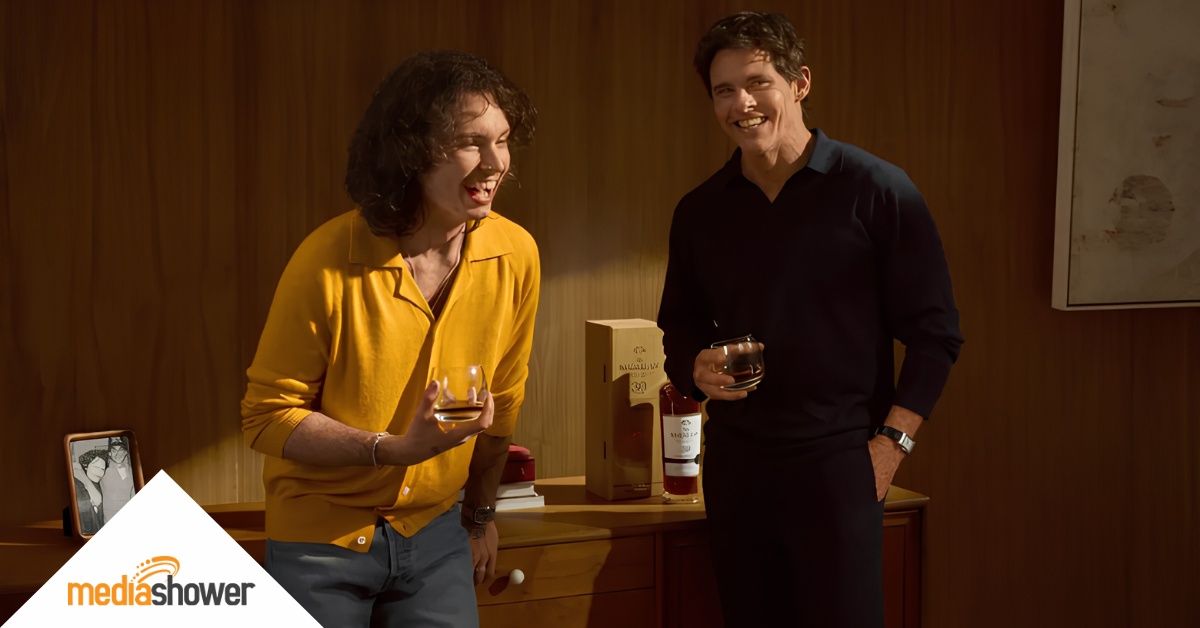
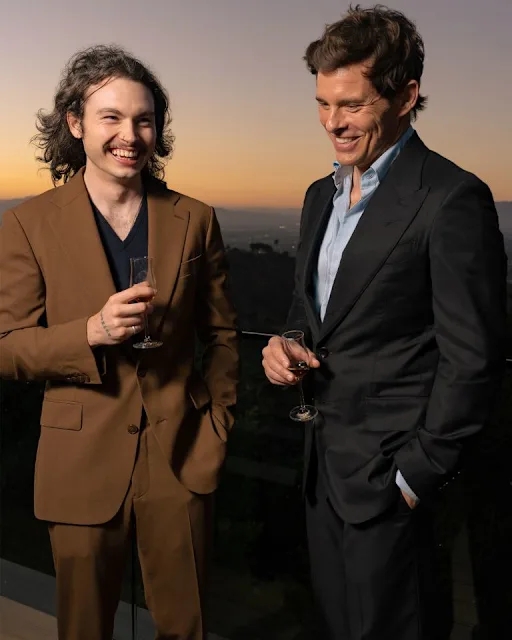
The Macallan’s Father’s Day campaign features actor James Marsden and his son Jack in a cinematic social film built around a single product truth: the Sherry Oak 25 and 30 Years Old expressions take decades to make.
A father handing that ritual to his son is the entire story, and the product generates it with no additional concept needed.
The business logic runs deeper than one holiday weekend. With Gen Z projected to account for 30% of the global luxury market by 2030, The Macallan uses a Father’s Day moment to introduce a 25-year-old whisky to the people who will be buying it in the next decade.
The creator series supporting the hero film has driven approximately 1.5 million completed video views on Instagram.
The campaign earns its place here for the same reason the others do: Without the product, the story disappears.
Finding your way into the moment rather than around it is harder than it looks, but the campaigns that get it right tend to outlast the holiday by years.
Media Shower’s AI marketing platform helps brands earn their place at the holiday table. Click here for a free trial.