The Better Marketing Blog
Better tips, tools, and tactics for the AI era.
Better tips, tools, and tactics for the AI era.
Dunkin’ has spent more than four decades advertising the same daily ritual: coffee and donuts.
The best Dunkin’ ads began with a sleepy baker dragging himself to work before sunrise. They later featured real customers, TikTok stars, Boston celebrities, sitcom legends, and a long-lost Spice Girl.
Through every era, Dunkin’s greatest advertising transformed the humble coffee-and-donuts routine into a shared cultural identity.
Here are ten of the best Dunkin’ commercials and the marketing lessons behind them.
Long before celebrity-filled Super Bowl commercials, Dunkin’ Donuts had Fred.
Played by Michael Vale, the weary yet dedicated baker shuffled out the door each morning while repeating, “Time to make the donuts.” The early 1980s campaign humanized Dunkin’s promise of fresh donuts, baked early in the morning. Fred turned product quality into a recurring character story.
Fred appeared in Dunkin’ advertising for 16 years. His catchphrase became so recognizable that people still use it as shorthand for facing another workday.
Marketing takeaway: A memorable character can give a functional product promise a life far beyond the ad itself.
When Dunkin’ Donuts introduced “America Runs on Dunkin’” in 2006, the company shifted its focus to coffee, repositioning the brand as fuel for a busy, active life. One of its most memorable commercials, Fritalian, sharpened that positioning with a little attitude.
The 30-second spot showed customers confronting a menu full of unfamiliar coffee terminology while a chorus wondered whether the language was French, Italian, or perhaps “Fritalian.”
The joke poked fun at the complications of specialty-coffee culture and positioned Dunkin’ as the simpler, more approachable alternative. Fritalian first aired in October 2006 as part of the “America Runs on Dunkin’” campaign.
Millions of people already treated coffee as part of getting through the day. Dunkin’s new corporate strategy was to focus on “coffee plus one,” or coffee along with a donut or muffin.
Marketing takeaway: Strong positioning connects a product with a job customers already rely on it to perform.
By 2009, “America Runs on Dunkin’” had established Dunkin’ as fuel for everyday life. You Kin’ Do It gave that idea a recession-era pep talk.
The launch campaign featured familiar frustrations such as shoveling snow, tackling paperwork, starting an exercise routine, and assembling a jungle gym, all with Dunkin’ coffee as fuel. The phrase “You Kin’ Do It” played off the Dunkin’ name while giving its everyday-energy message a more encouraging tone.
The campaign showed how far Dunkin’ could stretch the same basic idea. Coffee was still fuel for everyday life, but now the brand was cheering people through the hard parts.
Marketing takeaway: A strong brand platform can adapt to the moment without losing its meaning.
Dunkin’ built its What Are You Drinkin’ campaign around some of the Boston Red Sox’s biggest names, including David Ortiz, Dustin Pedroia, Carl Crawford, Adrian Gonzalez, and manager Terry Francona. The players talked about their favorite Dunkin’ drinks, tying the brand to a team that already carried enormous cultural weight across New England.
The campaign then extended that connection outward. This commercial targeted Red Sox fans in Connecticut, showing how Dunkin’ could use a shared sports identity to carry its Boston roots into the wider region.
Marketing takeaway: Regional culture can help a hometown brand expand without losing the identity that made it distinctive.
By 2016, Dunkin’ had spent a decade positioning itself as fuel for everyday life. Keep On pushed that idea beyond the morning commute.
The commercial followed people through work, travel, sports, family activities, and long days on the move, with Dunkin’ coffee and breakfast showing up along the way. The brand was no longer tied to one particular moment of the day.
Dunkin’ was still selling energy, but they broadened the definition of when people needed it, expanding their market beyond the morning rush.
Marketing takeaway: A strong brand idea grows when it fits naturally into more parts of customers’ lives.
TikTok star Charli D’Amelio frequently appeared on social media with a Dunkin’ drink before an official partnership existed. Dunkin’ responded by putting her real order on the menu.
Launched in September 2020, The Charli combined Cold Brew, whole milk, and three pumps of caramel swirl. The rollout included TikTok content, an original song, a contest, social stickers, and an Instagram filter.
But the behavior came first. Fans had already connected D’Amelio with Dunkin’, and naming her order gave the company an official way to participate in that relationship.
Marketing takeaway: Influencer partnerships feel more credible when the audience has already seen the relationship develop organically.
Ben Affleck’s association with Dunkin’ had already become an internet running joke. Paparazzi photos regularly showed the Massachusetts-raised actor carrying Dunkin’ coffee, often while juggling packages or looking deeply absorbed in daily life.
That hometown connection was key. Dunkin’ was founded outside Boston, and the city remains central to the brand’s identity. Affleck brought both genuine fandom and his own strong association with the city, making him feel like someone who already belonged in the Dunkin’ world.
Dunkin’ turned that familiar image into its first Super Bowl commercial in 2023. Affleck surprised real customers while working at a drive-thru in Medford, Massachusetts. His wife, Jennifer Lopez, supplied the closing joke by arriving at the window and asking him to bring home a glazed donut.
The ad felt natural because audiences knew the backstory. Dunkin’ joined an existing cultural conversation while reinforcing the Boston identity that had been part of the brand for decades.
Marketing takeaway: Celebrity casting works best when the audience immediately understands why that person belongs with the brand.
Dunkin’ expanded the Affleck partnership in 2024 with The DunKings, a multi-part campaign that stretched from the Grammy Awards to the Super Bowl.
Affleck assembled an awkward boy band featuring Matt Damon and Tom Brady, complete with bright Dunkin’ tracksuits and the song Don’t Dunk Away at My Heart. Fat Joe, Jack Harlow, Charli D’Amelio, and Jennifer Lopez helped extend the story.
The ad continued the storyline that began with the Drive-Thru ad, and the company explicitly framed the work as an episodic “Dunkin’ Cinematic Universe.” Dunkin’ carried the joke beyond the commercial into products and merchandise, including DunKings Iced Coffee, a Munchkins skewer, and the instantly recognizable tracksuit.
By this point, Affleck had become a recurring character inside a creative universe that could support sequels, new personalities, products, and fan participation.
Marketing takeaway: A strong campaign can become a recurring creative universe instead of ending after one execution.
For Super Bowl LX on February 8, 2026, Dunkin’ presented Good Will Dunkin’ as a “lost” 1995 sitcom pilot about the accidental invention of iced coffee.
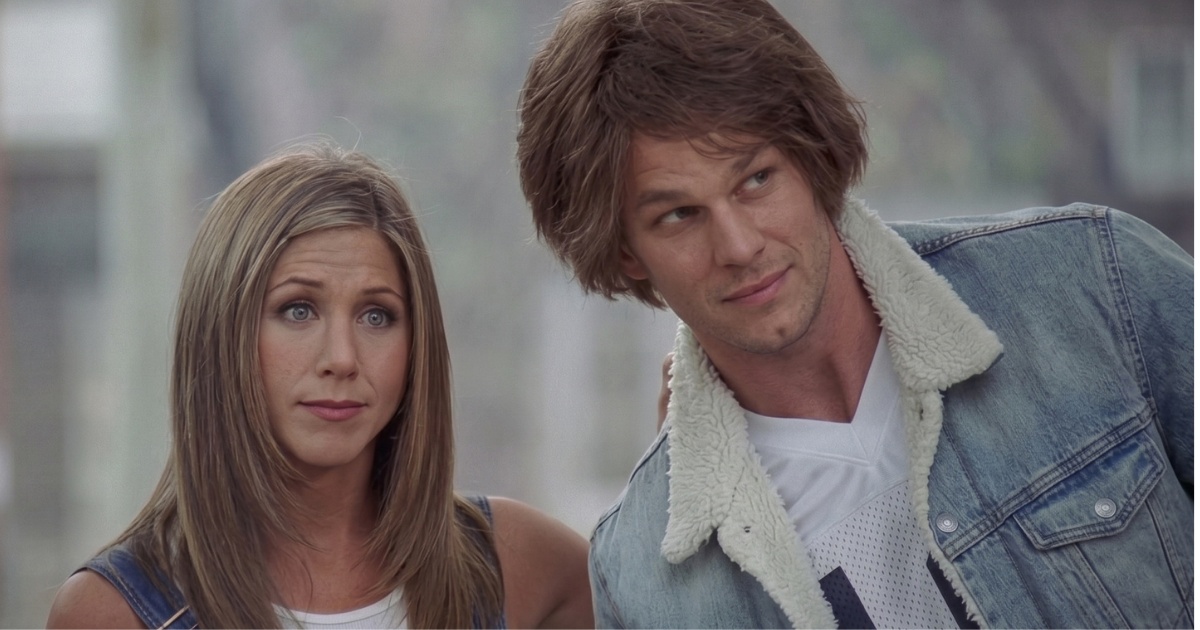
Affleck played a Dunkin’ employee named Will alongside 1990s television stars Matt LeBlanc, Jason Alexander, Ted Danson, Alfonso Ribeiro, Jaleel White, and Jasmine Guy. Jennifer Aniston also appeared with Tom Brady in a hilarious parody of a scene from Good Will Hunting.
The premise mixed Dunkin’s Boston roots, Affleck’s film history, iced-coffee fandom, and sitcom nostalgia.
The nostalgia worked because it connected directly to Dunkin’s own history, Affleck’s Boston identity, and a product fans already associated with the brand.
Marketing takeaway: Nostalgia works best when it reinforces a brand story the audience already recognizes.
In September 2026, Dunkin’ turned its familiar fall menu into pop-culture comedy.
The campaign reunited Emma “Baby Spice” Bunton and Geri “Ginger Spice” Halliwell-Horner to reveal a forgotten sixth member of the Spice Girls: Pumpkin Spice, played by comedian Rachel Dratch in orange clothing and an exaggerated British accent.
The mock interview let Pumpkin Spice recall her fictional history with the group while promoting Dunkin’s seasonal drinks. Those offerings included the Pumpkin Spice Signature Latte and Pumpkin Cloud Dunkalatte.
The product itself was familiar, but the entertainment surrounding it created freshness. Dunkin’ used casting, wordplay, and nostalgia to make another annual pumpkin launch feel like an event.
Marketing takeaway: A familiar seasonal product can feel new again when the campaign gives people something besides the product to talk about.
Dunkin’ has evolved its advertising while staying true to the basic ritual of coffee and donuts.
Fred the Baker made freshness tangible. “America Runs on Dunkin’” turned that everyday routine into a source of energy. #MyDunkin and The Charli let customers and fans help define the brand, while the Affleck campaigns and Pumpkin Spice pushed Dunkin’ into full-scale entertainment.
The products changed, the media changed, and the jokes got bigger, but Dunkin’ never had to abandon the coffee run at the center of it all.
Dunkin’s greatest advertising makes an everyday purchase feel like membership in a shared culture.
Media Shower’s AI marketing platform helps brands brew fresh ideas. Click here for a free trial.