The Better Marketing Blog
Better tips, tools, and tactics for the AI era.
Better tips, tools, and tactics for the AI era.
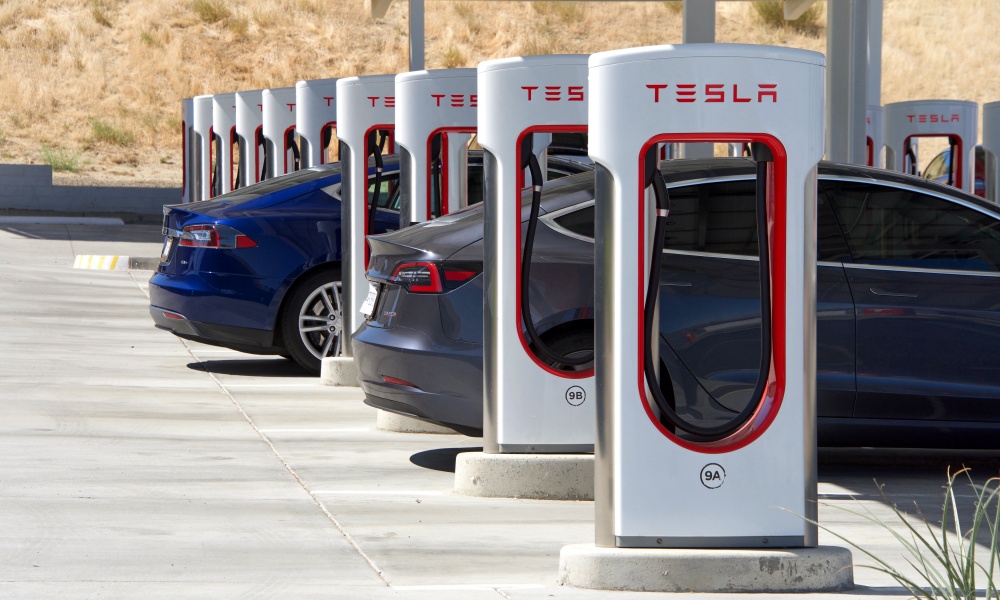
Tesla is one of the best-marketed brands in the world.
It’s one of the world’s most recognized companies, and currently the world’s most valuable automaker. Its products span Model 3, Model Y, Cybertruck, Solar Roof, Powerwall, and utility-scale Megapack systems.
Tesla has enormous consumer awareness, a passionate customer base, and a brand that helped transform the automobile industry.
So, what could we possibly tell Tesla about marketing that it doesn’t already know?
That’s the test we gave our Media Shower marketing platform.
We used our Opportunities tool to find pages losing rankings or traffic, Competitors to uncover categories where other brands are winning, and AI Visibility to examine how effectively Tesla’s content guides buyers from a question to a relevant next step.
Here’s what we found.
Note: These findings were confirmed at publication time; results change frequently.
Tesla already has the product, the page, and supporting educational content.
Its solar panels page still ranks 14th for “solar system,” a term with an estimated 738,000 monthly searches. The page has also lost visibility for searches such as “solar panels” and “solar panels for home.”
Reaching the top 10 could generate more than 7,000 additional monthly visits.
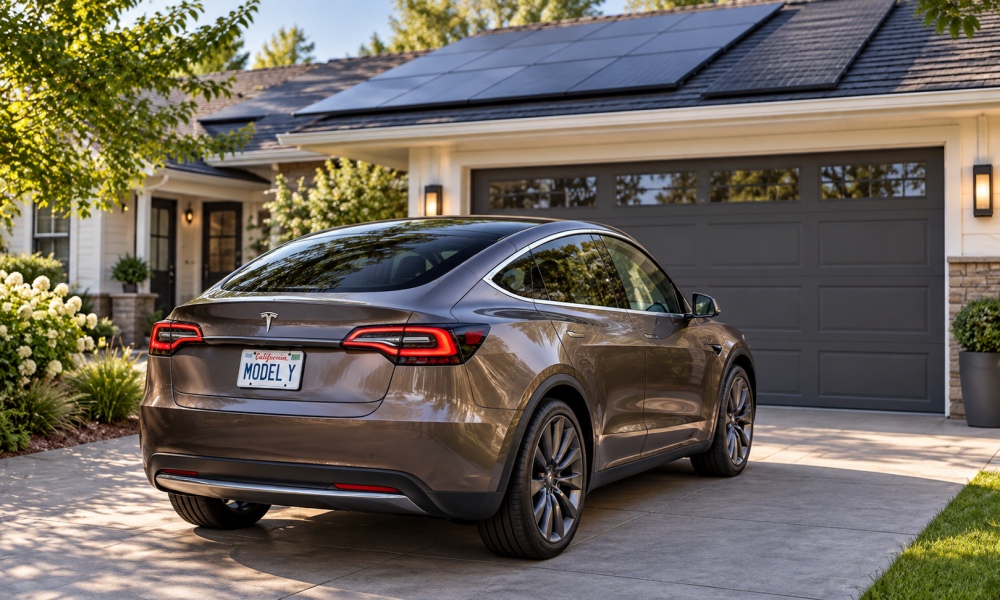
The existing page gives Tesla a strong foundation. Our platform recommended expanding it into a complete home-solar system buyer’s guide which could help homeowners resolve the questions that determine whether they request a quote.
Those questions include system size, cost, installation, potential savings, incentives, and the role of Powerwall. Links to Tesla’s solar-cost guide would let visitors move directly from broad research into a more specific evaluation of price and product fit.
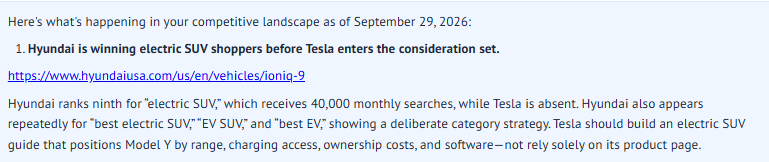
That’s right: Hyundai reaches shoppers Googling “electric SUV” before Tesla.
“Electric SUV” receives approximately 40,000 monthly searches. Hyundai ranks ninth, while Tesla is absent.

Hyundai’s position comes from a broader category strategy. The company also appears for searches such as “best electric SUV,” “EV SUV,” and “best EV.”
Its IONIQ 9 product page addresses range, charging access, ownership costs, and software. Hyundai reaches shoppers while they are still deciding which brands belong on the shortlist.
Our platform recommended a Model Y electric-SUV guide covering range and charging, price and ownership costs, passenger and cargo space, software, configurations, and comparisons with competing electric SUVs. The guide could also explain how Supercharger access and Tesla’s energy ecosystem affect ownership.
Chevrolet and Rivian are also beating Tesla in two more vehicle categories.
Chevrolet ranks first for “pickup truck,” another 40,000-search term, and appears across searches for trucks, midsize trucks, work trucks, and EV trucks. Tesla’s is way down in the Google results.
An electric-pickup page could connect Cybertruck with the practical criteria buyers use to compare trucks, including towing, payload, range, charging, and total ownership cost.
Rivian ranks first for “electric SUVs,” which receives 5,500 monthly searches with very little ranking competition. Tesla is absent from those results as well.
Tesla’s U.S. visibility is strong when buyers already know about the product, and the company has a matching product page.
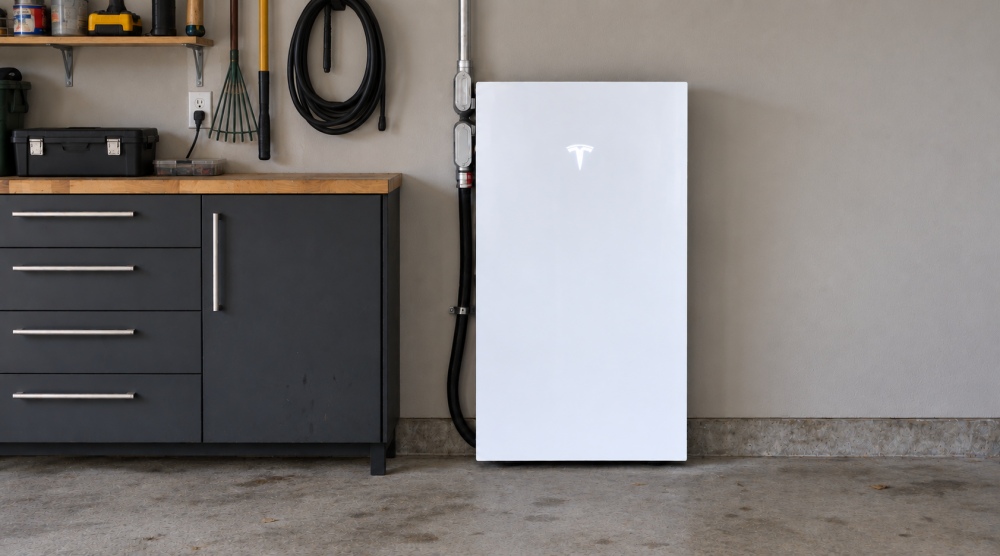
Powerwall is a good example: Tesla maintains a dedicated product page supported by extensive educational material.
Tesla’s marketing is weaker when buyers describe the outcome they want instead of naming a product.
Searches such as “home backup power,” “backup for solar owners,” and “use a battery during peak hours” express specific needs or outcomes..
Tesla’s largest AI Visibility opportunity is marketing by customer outcomes.

A homeowner asking whether a battery makes sense for an existing solar system should encounter a predictable journey:
Buyer question → Relevant scenario → Eligibility and product fit → App outcome → Ordering action
Tesla already publishes decision-oriented content about solar and battery storage. Our platform recommended that more “outcome” pages could make that content easier to navigate for buyers seeking home backup, solar and battery integration, time-of-use optimization, EV charging schedules, or Tesla app controls.

We challenged our AI platform to find meaningful marketing opportunities for Tesla … and it did.
The results surprised us, with specific findings tied to actual pages, queries, competitors, and buyer journeys.
If the Media Shower platform can find this much untapped potential for Tesla, imagine what it could find for your brand.
Run your brand through Media Shower. Start your free trial today.
Yes. Strong rankings can hide declining traffic, weak conversion paths, or category searches where competitors appear first. Media Shower looks beyond individual rankings to identify where your brand can capture more demand.
The Media Shower platform is trained on your company data, marketing goals, and chosen competitors, so its recommendations are personalized to your company, and vetted by you.
AI Visibility analyzes how your brand appears in AI models such as ChatGPT, Claude, and Gemini throughout the buyer journey. Our platform then recommends specific content, product information, and buyer journeys that can make your brand easier for AI models to understand, cite, and recommend.