The Better Marketing Blog
Better tips, tools, and tactics for the AI era.
Better tips, tools, and tactics for the AI era.
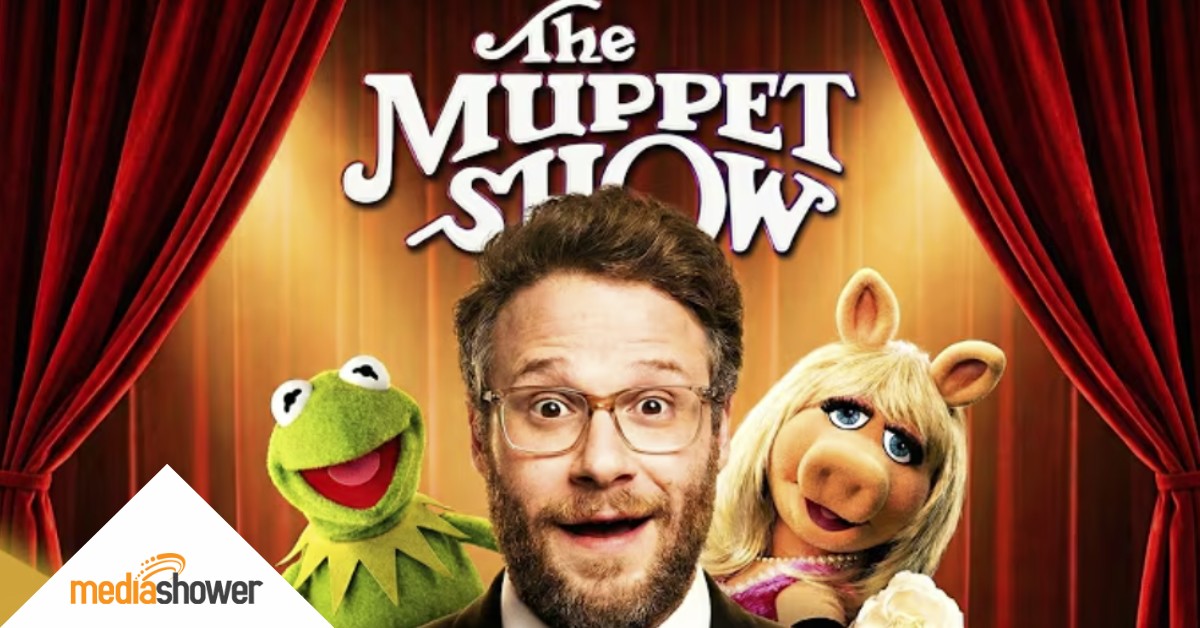
After they bought the Muppets in 2004, Disney spent two decades testing formats that fought the Muppets’ core appeal. Every attempt landed – like Gonzo being shot out of the cannon – with a thud.
After the purchase, Disney never quite settled on a long-term plan. The characters were too famous to shelve, but they also didn’t fit the prevailing “make it sharper, make it darker” instinct that shaped a lot of 2010s entertainment.
But Disney kept experimenting. And in the process, it kept sanding down the thing the Muppets have always done best: playful chaos anchored in real sweetness.
In February 2026, Disney finally stopped trying to update the Muppets’ personality and focused on updating the package around it. The result is a 32-minute special that feels familiar in the right ways to make a real rainbow connection.
Jim Henson’s blueprint was never complicated. The Muppets are Vaudeville performers in felt: a troupe that lives for the show, tolerates backstage mayhem, and somehow lands on sincerity when you least expect it.
Their humor can be absurd and loud, but it’s never cruel. Even the heckling has a wink and a warmth to it. That’s also what makes them hard to “modernize” in the lazy way.
If you turn the Muppets into a vehicle for cynicism, they stop being the Muppets.
In 2015, ABC’s The Muppets tried to push the franchise through a single-camera mockumentary filter. It borrowed the workplace rhythm of The Office and swapped theatrical chaos for relationship drama and backstage malaise.
There were funny moments, but the overall feeling was off. Kermit and Miss Piggy’s breakup became a central engine. The tone leaned bitter. The characters felt less like performers putting on a show and more like people trapped in one.
Guest stars showed up, but they had nowhere to land. Without the variety format, there was no stage to walk onto, no curtain to race toward. Celebrities just wandered through the Muppets’ dysfunctional workplace like confused extras.
Disney+ launched in 2019 and, like a lot of brands, tested short-form with Muppets Now. The segments weren’t a problem, but the show was missing the structure that makes the Muppets feel like a world: the theater, the backstage scramble, the sense that everyone is racing toward curtain.
Without that container, the cast can start to feel like a collection of bits instead of a troupe with chemistry. Guest appearances felt equally fragmented, like celebrity cameos dropped into YouTube sketches instead of collaborators joining a show.
With The Muppets Mayhem in 2023. Disney got warmer. The series focused entirely on the Electric Mayhem band recording their first studio album, which gave the characters a clear goal and a tighter narrative. It worked better than Muppets Now because it had coherent stakes and let the band’s chaos serve a purpose.
The series proved that Disney could make watchable Muppet content when it gave the characters room to be themselves. What it didn’t prove was whether the larger ensemble could thrive again without the variety format holding them together.
They got their answer with the 2026 series special. The Muppet Show reboot works for a simple reason: It puts the Muppets back where they belong.
The new Muppet Show returns to the variety format and the classic Muppet Theatre setting, with modern production values supporting the action instead of replacing it. The pacing is tighter. The visuals are cleaner, and the sound is bigger. But the emotional engine is the same.
And with the addition of Sabrinia Carpenter, Josh Rogen, and Maya Rudolph, Disney brought back celebrity guests, a signature move from the original run.
But the characters are key. Kermit is back, and making America green again: a slightly frazzled leader trying to keep a room full of talented weirdos pointed in one direction. Miss Piggy is still the diva who believes the world should organize itself around her.
Fozzie is still committed to jokes that can only be called groaners. Gonzo is still courting danger for the love of the stunt.
In other words, the characters are allowed to be themselves again.
The smartest choice Disney makes here is separating “what needs to be updated” from “what should never be touched.”
What gets updated is the delivery. What stays fixed is the point of view.
The variety show is the Muppets’ natural habitat. It provides the stage for musical numbers, the frantic backstage problem-solving, and the in-between space where the cast can collide in ways that feel organic.
It also makes room for the Muppets’ best kind of humor: a fast mix of spectacle, stupidity, and heart.
The format does something else, too. It keeps the audience in on the joke. You’re watching performers trying to pull off a show, which makes the chaos feel purposeful instead of bleak.
The revival brings contemporary celebrities into the theater, and it understands exactly how to use them.
Sabrina Carpenter’s appearance works because she enters the Muppets’ world and reacts to it. The humor comes from the contrast between a contemporary pop star and a theater full of timeless nonsense.
She plays straight against their absurdity, which is exactly what a good guest should do.
Seth Rogen’s segment follows the same logic. He’s there to react, not rewrite the rules. It’s an old variety-show trick, and it still works.
Instead of dragging the Muppets into whatever’s trending, the show lets today’s stars walk into the Muppets’ classic chaos and discover what happens when you try to maintain composure around Animal.
The special’s modern covers are another example of the same strategy. New songs land because they’re filtered through the familiar Electric Mayhem energy and Muppet staging, not because the show is chasing whatever’s hot.
The lesson for longtime brands: When your identity is strong, you can borrow contemporary material and make it feel like yours.
The promotion for the February 2026 special is surprisingly disciplined. It uses modern platforms, but it treats the Muppets as timeless as ever.
Animal doing TikTok drum-offs makes sense because Animal has always been a feral percussion problem in the shape of a creature. Miss Piggy posting “get ready with me” clips works because she’s always believed the camera belongs to her. Kermit showing up looking exhausted is funny because it’s still not easy being green.
The tactic is modern, but the voice stays consistent. Fans can tell the difference.
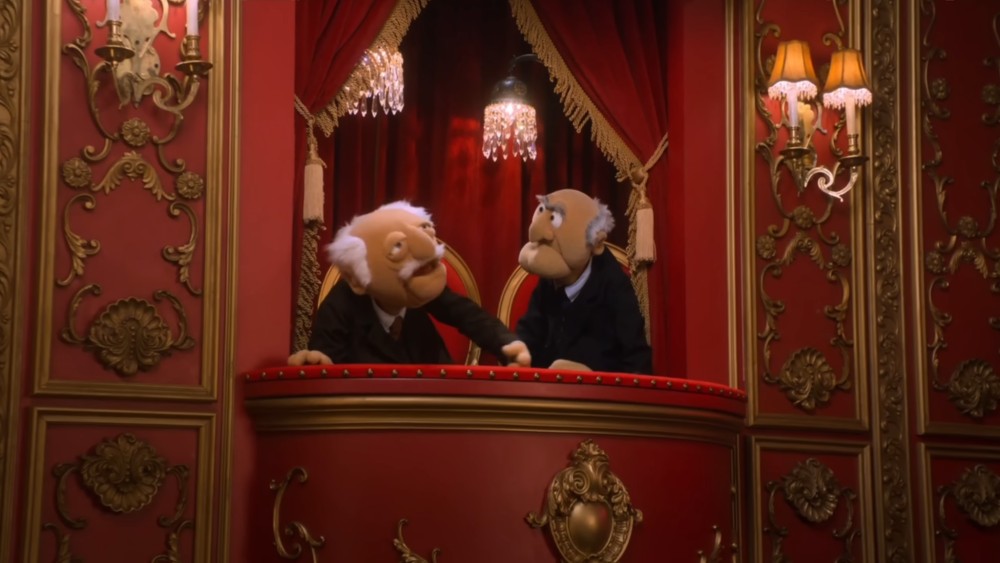
A lot of brand advice boils down to “be relevant,” as if relevance is a wardrobe you can put on. The Muppets are a useful counterexample. They become more relevant not by copying the vibe of the moment but by being unmistakably themselves in a format that showcases their strengths.
The February 2026 special proves the point in 32 minutes. It’s a celebration of the original show’s 50th anniversary, and it works because Disney finally understood that consistency means knowing what you will not trade away.
When you protect the core, you create space to experiment around it without losing the plot. The special was successful enough that industry sources suggest it could serve as a backdoor pilot for a full series.
Whether that happens or not, the special demonstrates that the Muppets still work when you let them work the way they were designed to.
Media Shower’s AI marketing platform helps make your brand more than a puppet. Click here for a free trial.