The Better Marketing Blog
Better tips, tools, and tactics for the AI era.
Better tips, tools, and tactics for the AI era.
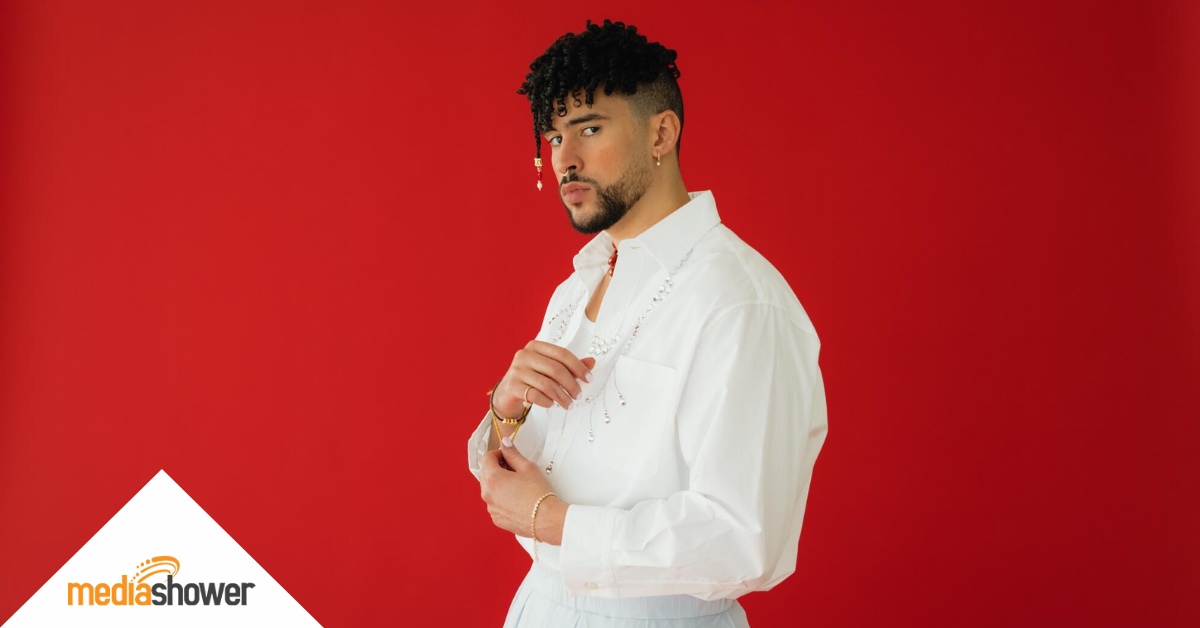
Bad Bunny has never released an English-language album. He wears nail polish and skirts without offering explanations. He disappears from social media for months at a time.
Yet, the Puerto Rican artist is one of the most-streamed musicians globally. He generates hundreds of millions in touring revenue and will headline the 2026 Super Bowl halftime show.
Benito Antonio Martínez Ocasio, aka Bad Bunny, reached this position by bucking conventional wisdom: he refused to make himself more accessible to mainstream American audiences.
When the NFL announced his halftime performance, the media erupted. Benito, who likes to be called by his actual name, addressed the criticism during his Saturday Night Live hosting debut in September 2025.
His monologue used humor to deflate critics, then shifted to Spanish for an emotional message about Latino contributions to American culture.
His closing line: “If you didn’t understand what I just said, you have four months to learn.”
That one line symbolizes the key to Bad Bunny’s success.
The Super Bowl represents marketing’s highest-stakes platform. Brands spend millions on 30-second spots. Artists typically showcase polish as much as performance.
So when the NFL chooses an unapologetically Latino, Spanish-language artist who actively resists curation, it reveals something about where culture has moved.
The NFL chose Bad Bunny because his cultural influence has become undeniable, so much so that they agreed to previously unheard-of terms:
“This is my one non-negotiable stance. I won’t sing in English just for the Super Bowl. When the NFL invited me to perform . . . the contract asked me to sing in English. I firmly refused that request. My only condition was not to change my language. I will sing my songs in Spanish and let the world hear our voice.” – Benito Ocasio (Bad Bunny)
Government officials and media personalities criticized the selection, which only validated the choice. The backlash demonstrated why he was chosen: He refuses to assimilate or soften his identity for broader appeal.
Gen Z audiences have developed sharp instincts for distinguishing genuine expression from performative positioning. They respond to the former and dismiss the latter with speed that devastates brands trying to manufacture cultural relevance.
Bad Bunny understood this before it became industry consensus.
He wears nail polish and appears in gender-fluid fashion campaigns because that reflects who he is. The expression carries weight because it’s genuine; there’s no accompanying statement or brand message.
A 2022 YPulse report found that 76% of Latino Gen Zers said Bad Bunny makes them feel seen. That response comes from recognition. It happens when someone refuses to edit their identity for market expansion.
The story behind the name “Bad Bunny” as told to James Corden
Bad Bunny’s approach holds across every scale. His April 2025 NPR Tiny Desk concert became the most-watched premiere in the series’ history. He performed entirely in Spanish with traditional Puerto Rican instruments.
He had positioned two hand-sewn Puerto Rican independence flags on the desk.
He shared personal stories and appeared visibly nervous at first, then settled into himself. The same unfiltered presence that fills stadiums worked in an intimate room with minimal production.
Benito’s commercial collaborations succeed because brands enter his world rather than expecting him to enter theirs. The partnerships feel like extensions of existing identity rather than departures from it.
Adidas let Bad Bunny design sneakers reflecting his aesthetic, streetwear mixed with unexpected elements. The “First Café” collection sold out within minutes and generated strong secondary market demand.
Adidas adapted their process to accommodate his vision.
Gucci cast him in campaigns that aligned with his existing presentation. He appears in lace, pearls, and skirts because that reflects who he already is. Benito’s style was a natural representation of the evolution of Gucci as a fashion house.
The “La Vida Más Fina” campaign featured Benito speaking in Spanish. Corona allowed him to use Puerto Rican slang with no subtitles and no explanatory framing. The brand trusted viewers to connect with Bad Bunny’s authentic voice.
These partnerships strengthen both parties because they feel organic. When brands try to reshape talent to fit existing narrative, audiences recognize the artifice immediately. When they build around authentic alignment, the collaboration reinforces both identities.
Until Bad Bunny arrived, the terms “records in Spanish” and “tops global charts” were an oxymoron. Crossover traditionally meant recording in English (as Shakira and Ricky Martin had done), but Benito held his position.
He records almost exclusively in Spanish and dominates global streaming platforms. His success demonstrates that audiences will meet you where you are if you stay consistent about where that is.
A look at Bad Bunny style
The results validate Benito’s approach:
Most impressively, he did it all without compromise and by maintaining clarity about his identity.
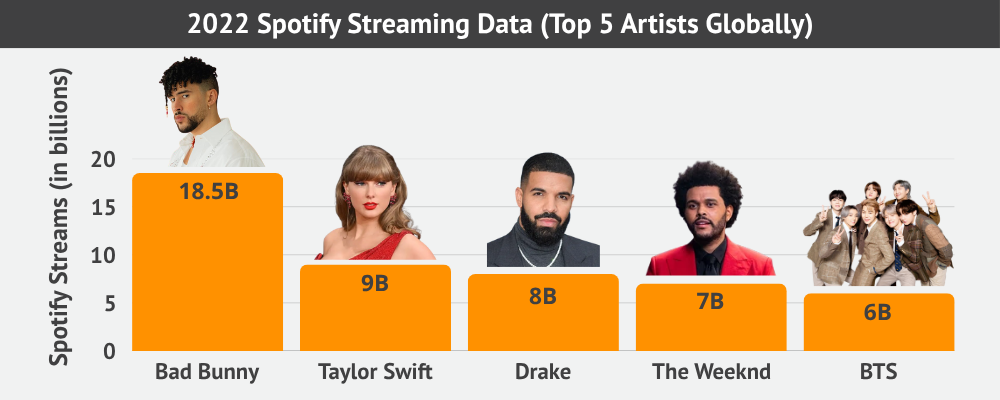
Key insight: Bad Bunny had more than double the streams of the #2 artist (Taylor Swift), despite recording almost exclusively in Spanish.
Media Shower’s AI marketing platform helps you develop authentic brand strategies. Click here for a free trial.
Why does Bad Bunny only sing in Spanish?
Bad Bunny records in Spanish to maintain artistic integrity and express himself authentically in his native language. His approach has proven audiences engage with authentic voices even without translation, making him Spotify’s most-streamed artist globally for three consecutive years.
How did Bad Bunny become successful without singing in English?
Bad Bunny became Spotify’s most-streamed artist (2020-2022), grossed $435 million on tour, and achieved the first all-Spanish album to top Billboard’s Year-End 200. His success proves authenticity creates stronger connection than accessibility.
What makes Bad Bunny’s brand partnerships successful?
His collaborations with Adidas, Gucci, and Corona succeed because brands adapt to his vision rather than asking him to modify his identity. These partnerships feel organic because they reflect who he already is.
Why is Bad Bunny important for Latino representation?
Bad Bunny represents Latino culture without compromise. His 2026 Super Bowl show will be the first performed entirely in Spanish on that stage. 76% of Latino Gen Zers say he makes them feel seen.
What is Bad Bunny’s approach to authenticity?
Bad Bunny lives his identity rather than curating an image. He maintains consistent expression across all platforms—from Tiny Desk to SNL to stadium tours—building trust through genuine rather than calculated presentation.
How does Bad Bunny handle controversy?
He addresses tension directly on his own terms. When his Super Bowl selection sparked backlash, he responded with humor on SNL, then spoke in Spanish about Latino contributions, ending with: “If you didn’t understand, you have four months to learn.”
Why do Gen Z audiences respond to Bad Bunny?
Gen Z distinguishes genuine expression from performative positioning. Bad Bunny’s refusal to edit his identity for market expansion resonates as authentic truth rather than calculated statements.
What can marketers learn from Bad Bunny’s success?
Partner with creators without requiring rebranding, let actions speak instead of statements, trust audience sophistication, and maintain consistency. Authentic identity creates sustainable advantage over calculated messaging.