The Better Marketing Blog
Better tips, tools, and tactics for the AI era.
Better tips, tools, and tactics for the AI era.

Some brands find success by standing out. Skittles built a long-term marketing strategy around standing apart—from its category, from expectations, and often from logic itself.
Over the past 30 years, the brand has committed to a campaign framework that embraces the surreal, invites discomfort, and challenges conventional thinking.
What began with a single tagline—“Taste the Rainbow”—evolved into a modular, long-running platform known for boldly weird choices and cultural staying power. Skittles pushed boundaries and redefined what candy marketing could look and feel like.
This case study explores how Skittles turned structured absurdity into a strategic advantage, and what marketers can learn from its commitment to creative discipline, risk, and reinvention.
Before 1994, Skittles was just another sugary snack in a crowded market. The candy itself was loud—bright, fruity, and chaotic—but the marketing didn’t reflect any of that personality. Early ads were safe, conventional, and easy to forget.
By the early ’90s, the candy category had become formulaic. Ads focused on taste, texture, and product shots. There was little room for storytelling, and even less for brands that wanted to challenge expectations.
But the cultural moment was shifting: Gen X and younger Millennials were responding more to irony, satire, and brands that didn’t take themselves too seriously.
Skittles and its agency partner, D’Arcy Masius Benton & Bowles (DMB&B), saw an opportunity. The idea was to make people feel slightly off-kilter. In 1994, they launched a campaign that would set the tone for the next three decades: Taste the Rainbow.
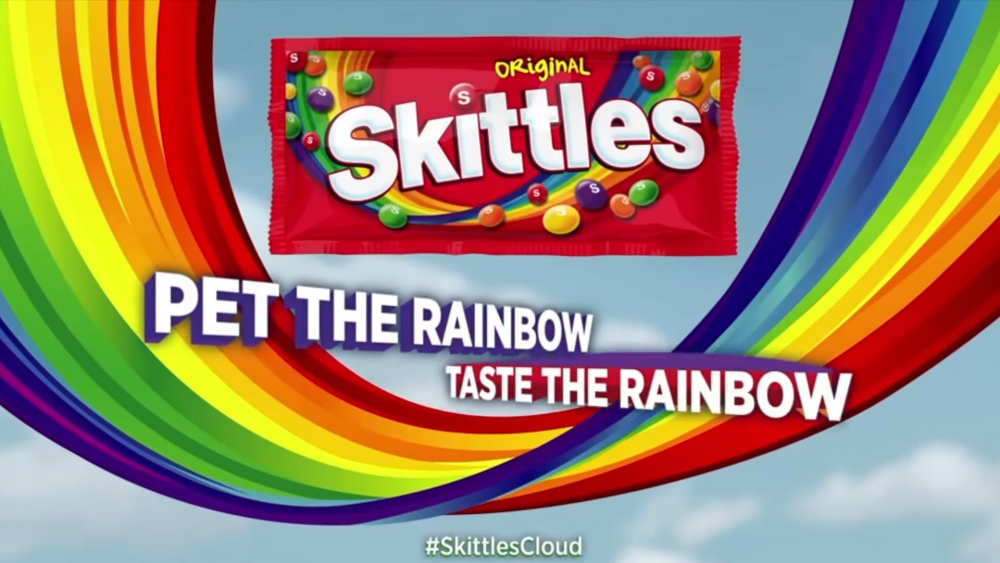
The first “Taste the Rainbow” ads abandoned traditional candy tropes. Instead of celebrating sweetness or fun, they told strange, deadpan stories where Skittles played an unsettling role. Like a man whose hands turned everything into candy or a rabbit who answered questions on a mountaintop.
As the campaign evolved, so did its creative language. Like Absolut before them, the team created a flexible structure—[Verb] the Rainbow—that allowed for infinite reinterpretation. Touch the Rainbow. Believe the Rainbow. Midas Touch the Rainbow. Crunch the Rainbow.
Over time, the campaign expanded beyond traditional media. Each new execution was part of the same strange universe but unique in its own right.
A few standouts:
A 2008 spot turned a man’s “candy touch” into a tragicomic narrative.
A one-night Broadway musical replaced a Super Bowl ad in 2019.
A 35-minute livestream apologized by name to thousands of angry fans after an unpopular flavor change.
These campaigns reinforced Skittles’ long-term brand equity and gave the internal team a platform to keep experimenting.
Several key elements have contributed to the campaign’s longevity and success, including:
The “[Verb] the Rainbow” structure gave Skittles a modular formula that could adapt to new contexts while staying recognizable. It allowed fresh ideas to flourish without drifting off-brand.
Even as the creative became more surreal or self-aware, the brand never broke character. That creative discipline made the campaign feel like a coherent body of work, not one-off stunts.
The ads often blended humor with discomfort, absurdity with restraint. This emotional tension made the spots more memorable—and gave audiences something to talk about.
Skittles maintained long-standing relationships with agencies like DMB&B and later DDB. These partnerships built mutual trust, enabling bolder ideas and long-term creative alignment.
From skipping a Super Bowl ad to staging a musical, Skittles made choices few brands would greenlight. The team leaned into uncertainty, and created campaigns people wanted to experience.
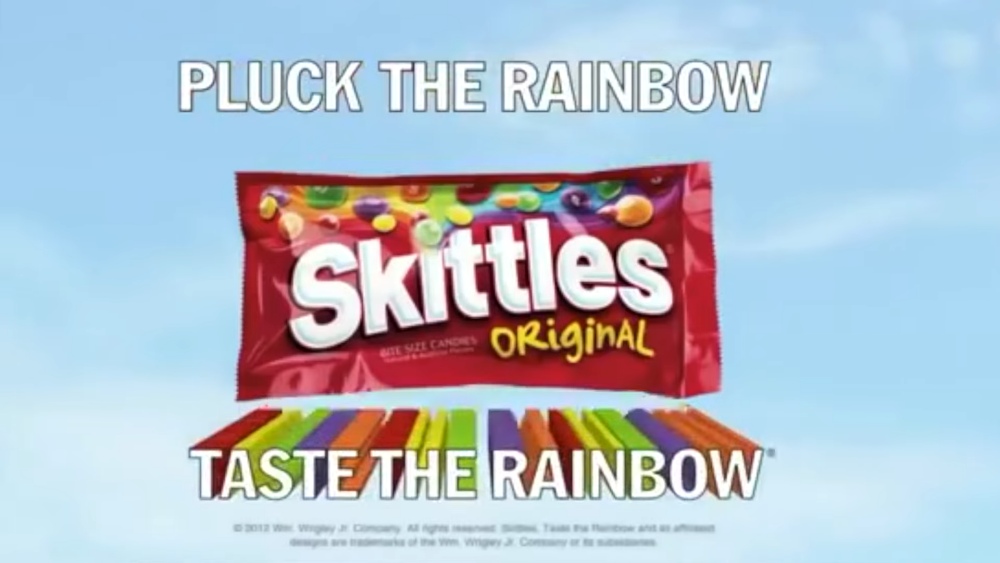
Taste the Rainbow is consistently cited as one of the most successful and enduring marketing efforts of the last several decades.

Media Shower’s AI marketing platform helps brands find their flavor. Click here for a free trial.