The Better Marketing Blog
Better tips, tools, and tactics for the AI era.
Better tips, tools, and tactics for the AI era.

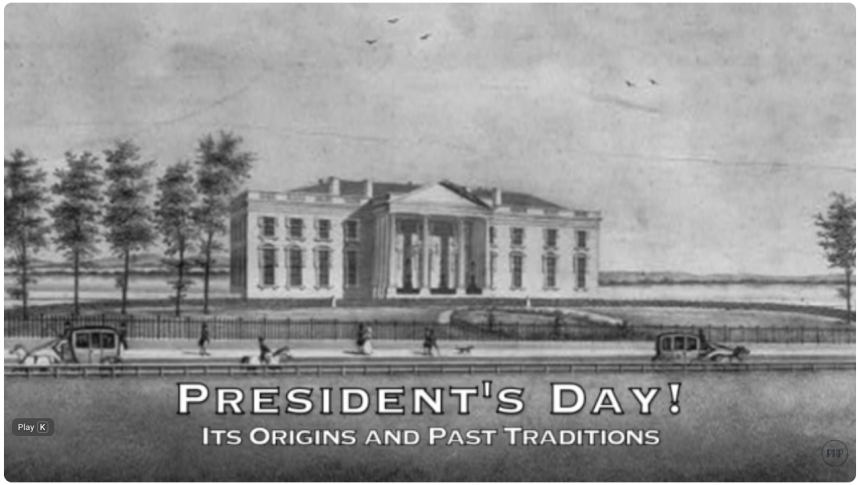
The federal government still calls it Washington’s Birthday, but retailers call it Presidents’ Day. This shift came from advertising, repeated so consistently for so long that it started to sound official.
Here’s how this holiday hijacking happened, and why two retail categories benefited more than anyone else.
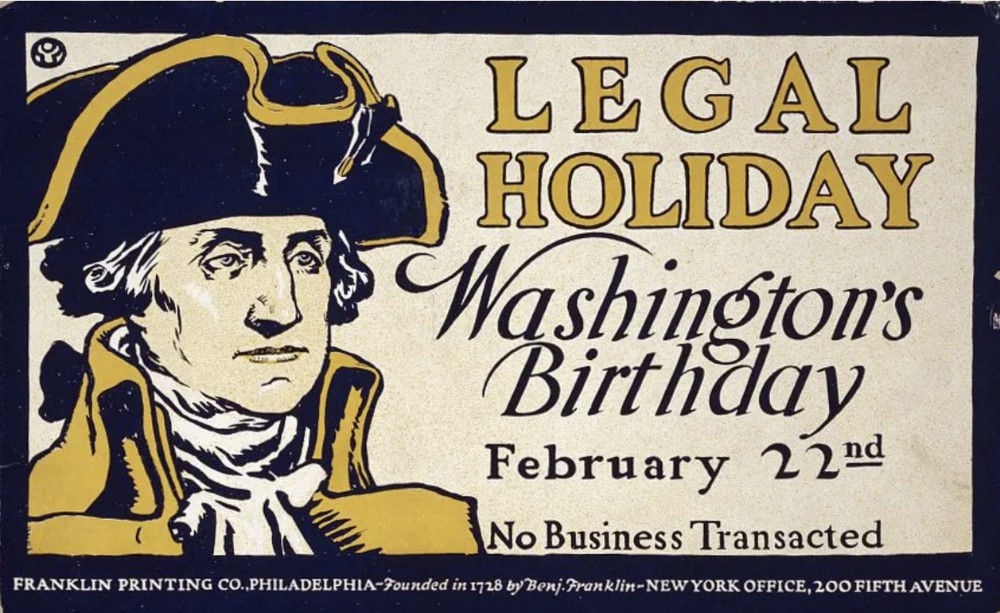
The federal holiday has been Washington’s Birthday since 1879. People tried to rename it more than once, including a failed 1951 proposal to officially make it Presidents’ Day.
Because Lincoln’s birthday falls on February 12, just ten days before Washington’s Birthday, some states informally recognized both. When the Uniform Monday Holiday Act moved Washington’s Birthday to the third Monday in February in 1971, that made it easy to celebrate a 2-for-1 birthday.
The shift also created a dependable three-day weekend that consumers and retailers could plan around.
“Presidents’ Day” sounded inclusive. It acknowledged both figures without requiring Congress to formally rename anything. The market adopted the shorthand long before the government did.
Advertisers latched onto the Presidents’ Day name without permission from the federal government. By the mid-1980s, the new label was everywhere. Retailers leaned into it and consumers repeated it.
People repeat what they hear most often, especially when it shows up every year, in the same week, in the same places. The three-day weekend gave brands the consistency they needed to turn a one-off promotion into a machine.
But President’s Day didn’t always belong to car dealers.
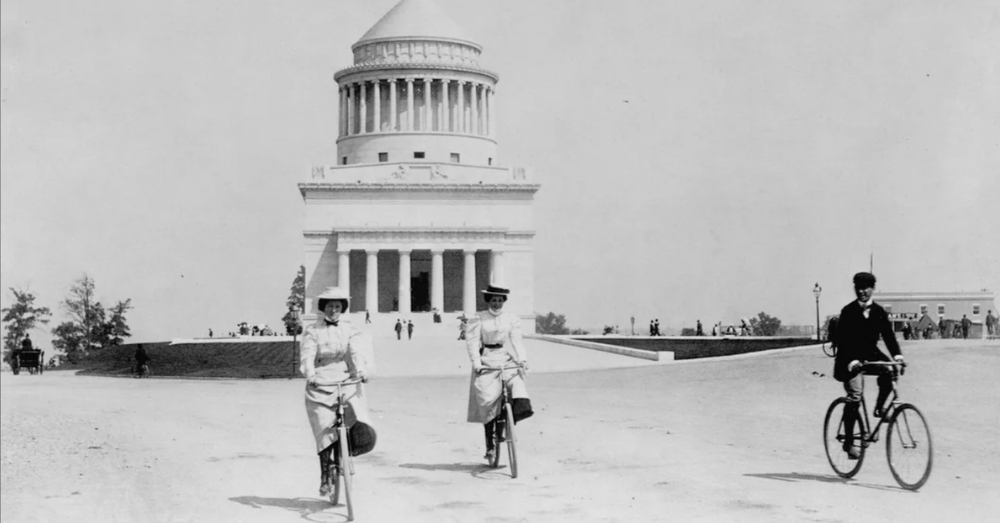
In the United States in the late 1800s, Washington’s Birthday was still a real civic moment in many towns, with parades and speeches and a little solemnity. At the same time, the country was falling hard for a new “fad”: bicycles.
This obsession marked the beginning of the holiday sale mindset formed long before anyone thought of the words “Presidents’ Day.”
Modern President’s Day bicycle commercial
By the 1890s, the holiday was called Bicycle Day. It’s the first evidence we have of a consumer product becoming so culturally attached to a federal holiday that it became part of everyday conversation.
Bicycle retailers made the holiday feel active instead of ceremonial. They gave people a reason to gather, partly for civic memory, partly for doing something together.
Here’s how it unfolded in modern marketing terms:
Then car dealers plagiarized the playbook.
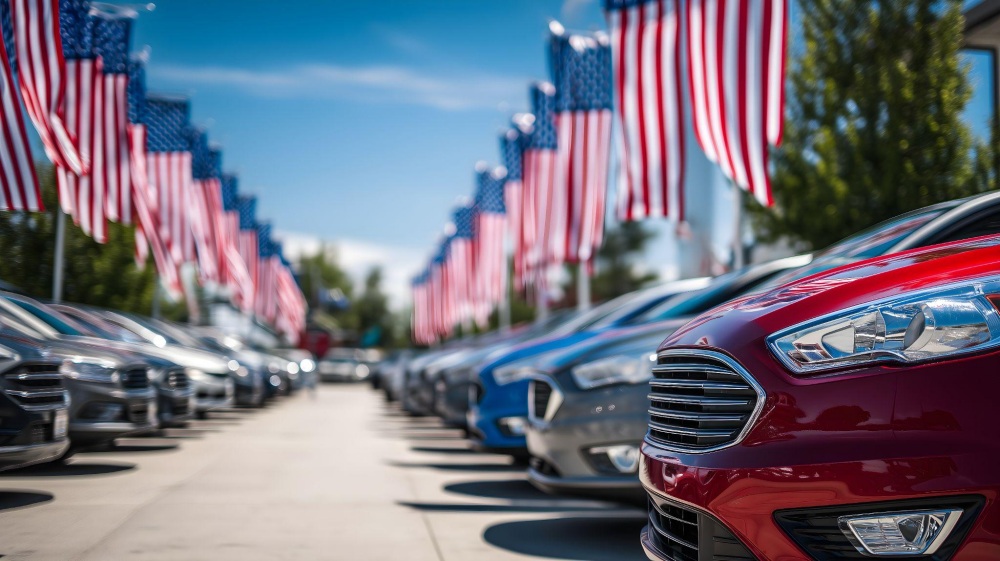
Alvan T. Fuller, a Massachusetts auto dealer who later became governor, ran Washington’s Birthday open houses at his Commonwealth Avenue dealership in Boston. Other dealerships copied the model as the tradition spread.
In both cases, holidays became commercial platforms where a category repeatedly attached itself to real behavior and made that behavior easier, logical, more fun, or more socially rewarding.
Classic President’s Day auto ad
Car dealers wrote the early chapters. Mattress retailers, followed by furniture and other home goods, then ran with it and turned the holiday into an annual category cash grab.
The timing solved real operational problems. February sits in a practical gap. Holiday shopping is over, and people start thinking about spring home refreshes. Many consumers have a long weekend and a little mental space.
Mattress retailers lined up their business realities with that moment:
Here’s why the playbook persists:
The holiday still converts. It just doesn’t build brands the way it used to.
Because Presidents’ Day sales worked, everyone wanted in. Car dealers proved the weekend could move inventory, and mattress brands turned it into a revenue machine. Then the copycats arrived. And the copycats of the copycats.
Eventually, it stopped feeling like a smart strategy and started feeling like generic noise.
For example, take a look at the tools marketers use. PosterMyWall lists more than 4,610 Presidents’ Day marketing templates. Most of them rely on the same patriotic motifs.
The creative signals repeat across brands:
The promotion still works. “Ends Monday” creates urgency and compresses decision-making. Retailers move inventory before spring resets.
Consumers use the holiday as permission, and big purchases feel rational when framed as seasonal opportunity.
However, although Presidents’ Day marketing feels familiar, it doesn’t carry unique features that make any one message stick. Brand memory has eroded.
People buy during Presidents’ Day sales; they just don’t always remember from whom.
That distinction matters. Revenue can stay strong while brand equity stays flat. Consumers still buy during the window, but their decision hinges on discount depth or financing terms, not brand preference. That shifts power away from positioning and toward price.
That creates three structural risks:
Noise converts in the short term, but it rarely builds brand equity. The machine keeps running, but it’s churning out generic creative that blurs together in the minds of consumers.
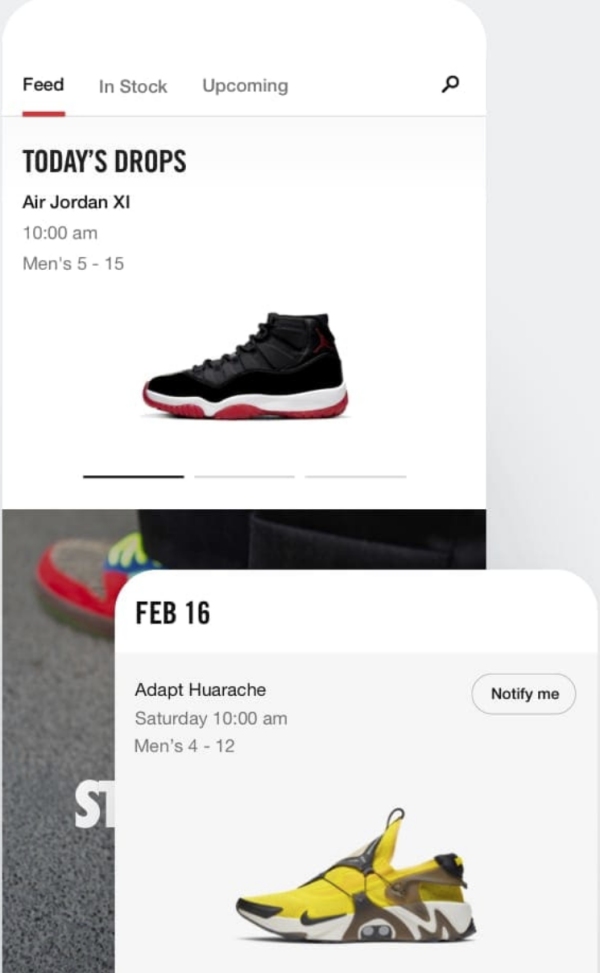
In recent years, some brands have chosen not to compete inside the same crowded window. Instead, they’ve created their own branded opportunities. For example, Amazon launched Prime Day, and Alibaba expanded Singles’ Day.
These brands have also jumped off the President’s Day bandwagon (or never got on in the first place):
Those events work because instead of asking consumers to remember a shared national holiday, they require customers to remember a brand.

Media Shower’s AI marketing platform helps brands stand out when everyone else blends in. Click here for a free trial.