The Better Marketing Blog
Better tips, tools, and tactics for the AI era.
Better tips, tools, and tactics for the AI era.
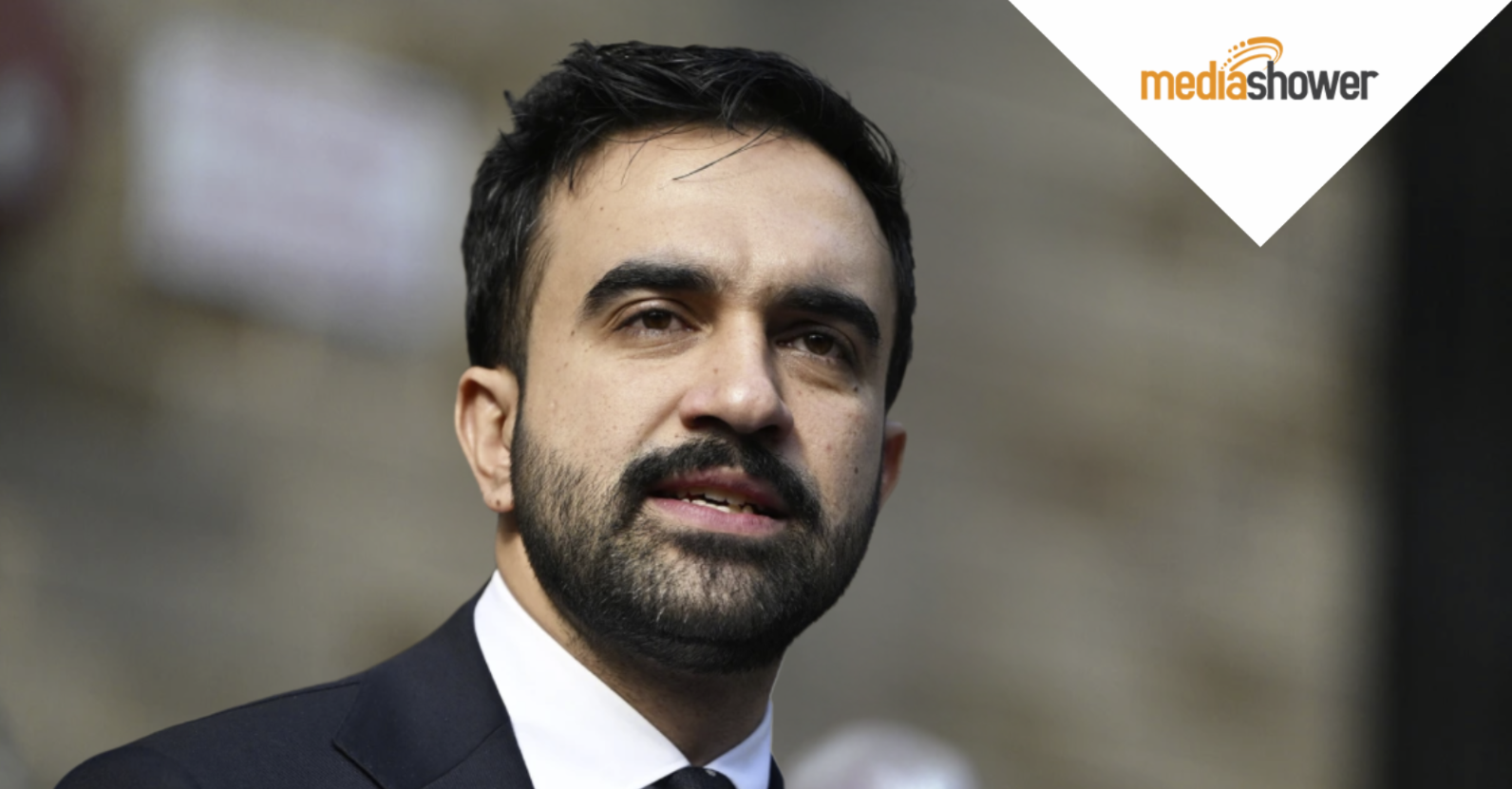
A mayoral candidate swings around a tree doing his best Shah Rukh Khan impression, explaining ranked-choice voting to a crowd of Hindi/Urdu-speaking New Yorkers. He’s using mango lassi as a visual aid while Bollywood film clips play in the background.
This was Zohran Mamdani’s approach to voter education.
The video spread quickly, from Instagram to text chains to WhatsApp family threads. It worked because Mamdani took something confusing and made it feel accessible, like a conversation you’d have with a friend over chai.
In a few short months, this kind of communication took him from 1% in the polls to a primary victory over Andrew Cuomo. His approach offers a practical blueprint for reaching people who’ve stopped paying attention to traditional messaging.
Zohran Mamdani’s Bollywood-themed ranked-choice voting video.
New York City is home to 800 languages, as nearly 40% of residents were born in another country. Mamdani saw this diversity as a communication opportunity.
He created videos in fluent Hindi and Urdu, decent Spanish, and Bengali. These were real conversations, not the token phrases most politicians drop during photo ops.
His Bollywood video worked because it spoke to multiple generations at once. References ranged from classic 1970s films to modern hits, creating a shared cultural moment that crossed age groups. The video became a conversation starter, spreading through group chats and family threads.
At a Caribbean music festival, he pronounced “Haiti” the way Haitians actually say it—ayiti. The crowd’s reaction showed the power of that recognition.
His multilingual approach worked because it was genuine. He showed up in communities repeatedly, building real relationships over time.
That honesty resonated with people tired of perfect, polished performances. The willingness to try, even imperfectly, mattered more than flawless execution.
Mamdani made policy proposals visual to turn policy into memorable moments.
Here’s how he communicated key campaign ideas:
His first viral video addressed the rising cost of halal food. The term was catchy, and featuring real halal workers made the issue tangible.
He jumped into the frigid ocean in a full suit and tie. The visual was unexpected and memorable.
He explained his platform while jogging a marathon, sang a parody of “Can You Feel the Love Tonight” on Valentine’s Day, and consistently featured real New Yorkers—deli owners, cab drivers, subway commuters—in his videos.
His team chose purple and gold instead of red, white, and blue. The typography resembled grocery store signs, familiar and approachable.
The result was content people wanted to share.
Mamdani asked questions and listened to the answers. He went to neighborhoods across all five boroughs, not just friendly territory.
He talked to people about what mattered to them: groceries, rent, daily expenses. He discussed money the way people actually discuss it, not in economic abstractions but in practical terms.
His street interviews revealed consistent concerns. People felt squeezed. The cost of living kept climbing while paychecks stayed flat. These conversations shaped his campaign messaging, centering affordability in everything he said.
Mamdani collected stories. He then built his entire platform around what he heard, that people needed free buses, rent freezes, more affordable childcare. Each proposal addressed real concerns voiced by real people.
“We ran a campaign that tried to talk to every New Yorker, whether I could speak their language… or just tried.”
This approach bridged political divides. People across the spectrum shared the same financial anxieties, even if they disagreed on other issues.
The numbers were striking:
He built a coalition across political divides by addressing real concerns.
Mamdani worked with Brooklyn-based creative agency Melted Solids to create content that felt authentic. The partnership produced videos that looked professional while maintaining an organic, unscripted quality.
His digital strategy included:
Minutes after winning, he posted a video explaining his campaign strategy. No spin—just honest reflection walking through New York parks and streets. He broke down how he reached different communities, what worked, and what surprised him.
It got 4.5 million views in 24 hours.
He hosted 70+ content creators from Twitch, YouTube, Instagram, TikTok, and podcasts. Their combined reach exceeded 77 million people. He answered their questions directly, treating them as legitimate press.
“Social media is not just a tool for communication; it’s a platform for mobilization.”
He tailored content for each platform while maintaining consistent messaging. What worked on TikTok differed from what resonated on X, and he adapted accordingly.
His content balanced entertainment with substance. Videos made people laugh, then made them think. Between February and July 2025, Mamdani surged from 1% to 56% in the polls, powered largely by social media.
The approach proved that you can be entertaining and substantive simultaneously—you just need to respect your audience enough to give them both.
Mamdani maintained a regular presence in neighborhoods across the city, building relationships over time and creating grassroots momentum.
His consistent engagement showed up in concrete ways.
He raised $8 million—the city’s campaign finance cap—powered by small donors. His donor base was considerably larger than his opponent’s.
He registered thousands of new voters and reached people who had stopped participating.
The halal workers, deli owners, and cab drivers in his videos were people he already knew. He documented existing relationships with a consistency that built trust.
Political strategists have studied Mamdani’s campaign as a model for reaching diverse audiences.
His success came from combining several elements:
Mamdani showed that speaking to people’s real concerns—in their languages, through platforms they use, with respect for their experiences—creates connection.
At only 34 years old, Mamdani changed New York politics by communicating authentically. He was multilingual, curious, and willing to try unconventional approaches.
He jumped in the ocean fully clothed. He sang parody songs. He spoke multiple languages on camera, even when his fluency varied. He talked with people across the political spectrum without an agenda.
His campaign proved several key principles.
His rise from unknown assemblyman to mayoral frontrunner shows what happens when you prioritize authentic connection over polish. People can tell the difference between performance and presence.
The lessons are clear: Meet people where they are. Speak their language. Listen. Show up consistently. Make your message visual and relatable. Be genuine.
As marketers have known all along, authenticity sells.

Anyone trying to reach diverse audiences can learn from Mamdani’s communication approach.
Media Shower’s AI marketing platform helps you craft messages that connect. Click here for a free trial.