
Quick Summary
- Zola’s “Wedding of the Year” campaign used the Taylor Swift and Travis Kelce engagement as a doorway into a larger brand campaign.
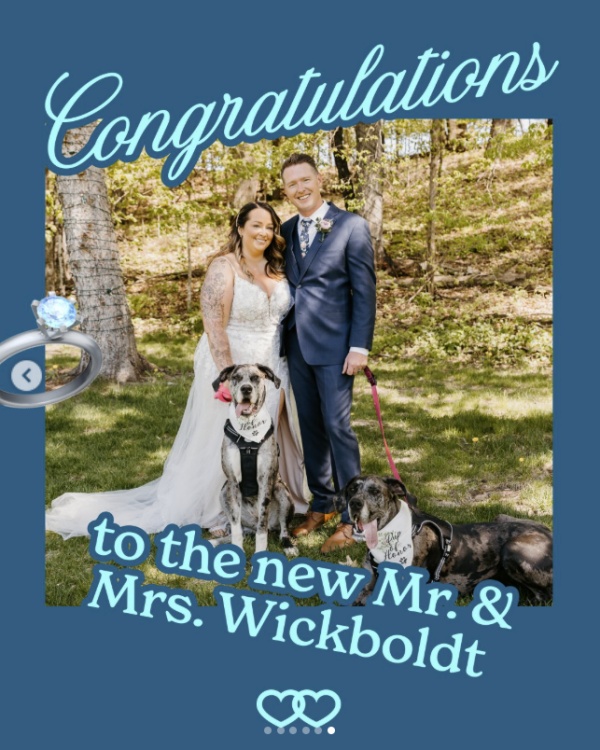
- The campaign shifted attention to a real Zola couple named Taylor Hayes and Travis Wickboldt.
- By centering real customers, Zola kept the campaign tied to its category and audience.
- The campaign shows how implied permission lets a brand join a cultural moment without looking like it wandered in from another conversation.
First, our heartfelt congratulations to Taylor Swift and Travis Kelce, who celebrated their marriage on July 3 at Madison Square Garden.
When Taylor Swift and Travis Kelce announced their engagement in 2023, the internet reacted exactly as expected: loudly, emotionally, and with enough brand activity to make every social media team wonder whether it was already behind.
For a wedding brand, the moment was impossible to ignore. For Zola, it was also easy to mishandle. A wedding platform making a Taylor-and-Travis joke could’ve become one more brand squeezing into a crowded conversation with a wink, a hashtag, and not much else.
How Zola Pulled Off Its Own Taylor and Travis Wedding Story
Zola had a better idea. Its “Wedding of the Year” campaign borrowed the attention around Swift and Kelce, then handed the spotlight to Taylor Hayes and Travis Wickboldt, a Wisconsin couple using Zola’s platform to plan their own wedding.
Marketing Dive reported that the campaign included Times Square billboards, taxi toppers, subway takeovers, newsstands, social media, and a hero film scheduled to launch nationally on Netflix.
The campaign gave Zola room to do something most trendjacking never reaches: build a story people could follow after the first joke landed.
They reacted quickly
Trendjacking is often treated as a speed test. Something happens, the internet reacts, and the brand team races to publish before the moment passes.
Speed matters, especially on social, but it can’t rescue a thin idea. In a crowded cultural moment, speed mostly gets a brand to the same place everyone else is already standing.
Zola moved quickly when the Swift-Kelce engagement broke in August, with social posts, billboards, and an outdoor tea party activation.
They expanded the vision
After that first reaction, the company regrouped around a larger campaign, looking for a way to show up authentically during a celebrity engagement that would likely stay in the conversation for months.
That pause gave the campaign room to become more than a first reaction. The engagement created the opening, but Zola didn’t stay inside the celebrity story. Its central move was simple: find a real Taylor and Travis, then give their wedding the kind of attention usually reserved for celebrities.
They earned the hook
That idea worked because it was rooted in Zola’s category. A wedding platform has a legitimate reason to care about engagements, wedding planning, guest attention, family excitement, registries, venues, and all the emotional machinery around a couple’s big day. Zola didn’t have to manufacture relevance. It already belonged in the conversation.
Marketing Dive reported that Zola found Hayes and Wickboldt in its database, vetted them for the campaign, and chose them because their story fit the brand’s focus on real couples.
Not so incidentally, Zola paid for their May 2026 wedding and kept working with them before and after the event. Those choices changed the campaign’s center of gravity.
The name coincidence opened the door, but Hayes and Wickboldt gave the campaign its own footing. Without them, Zola would have been commenting on someone else’s moment. With them, the brand had a story from its own world.
The trend got people’s attention. The customer story gave that attention somewhere better to go.
How Brands Can Trendjack Without Looking Desperate
The strongest trendjacking starts with the brand’s right to be there. Zola’s campaign treated the celebrity moment as an entry point, then moved the audience toward something more relevant: real couples, real planning, and the emotional stakes of making a wedding feel important — all elegantly appropriate for a wedding plan site.
1. Don’t confuse cultural relevance with gossip
Celebrity culture often turns audiences into spectators. People watch, speculate, imitate, and comment from a distance. That can create enormous attention, but it can leave brands with a shallow role. The brand becomes another voice reacting to someone else’s story.
Zola’s campaign gave the audience a better role. The campaign line, “Because everyone loves a celebrity wedding, and at Zola, we love yours,” returns the comparison to the customer.
The campaign also stayed out of celebrity speculation. It didn’t build itself around guesses about Swift and Kelce’s wedding plans, venues, guests, dresses, or registry. It kept the brand inside its own category and avoided drifting into gossip.
That keeps the campaign from becoming another borrowed joke with a logo attached.
2. Look for “implied permission” before you act
To trendjack responsibly, your brand needs a legitimate seat at the discussion table. It’s not enough to gossip about the trend or create a loose association that won’t hold up under scrutiny. If you’re doing it right, your brand will reject far more cultural moments than it uses.
3. Narrow the trend to a point of view
Trendjacking has become easier to execute and harder to make distinctive. Every brand can see the same trending topics. Every team can watch the same social feeds. Every approval chain is under pressure to move faster. The result is a lot of marketing that feels timely but interchangeable.
Zola avoided that trap by narrowing the moment. It found one couple, one wedding, and one customer story that made the larger cultural moment feel more personal.
They didn’t say, “We noticed Taylor and Travis, too.” Their POV was that the feeling people attach to celebrity weddings can also belong to regular couples. People may enjoy watching famous weddings from afar, but every couple wants their own wedding to feel important. Zola turned that feeling into the campaign.
4. Apply the trendjacking test
If the campaign stops making sense once the celebrity name, meme, or news hook is removed, the brand probably has a reference, not an idea. If the campaign still holds together, the trend is doing its proper job: bringing attention to something the brand can already say with credibility.
Turn Cultural Moments Into Audience Experiences
Cultural moments move fast. The brands that use them well need more than a clever reference; they need an always-ready plan to turn attention into participation.
Media Shower helps brands meet those moments, using AI-powered strategy and campaign tools to turn timely moments into audience-centered marketing, exactly when they’re needed.
Marketer’s Takeaways
- Use the trend as the doorway, not the whole campaign. A cultural reference can create the opening, but the campaign needs a brand-owned idea once people arrive.
- Make the audience the hero whenever possible. Trendjacking gets stronger when people can see themselves inside the moment instead of watching the brand react from the sidelines.
- Look for natural brand permission. The best cultural-moment campaigns connect clearly to the brand’s category, audience, product, or point of view.
- Use customer reality to make borrowed attention feel earned. Real customer stories, behaviors, questions, or needs can give a timely campaign a defensible center.
- Build the idea to last longer than the trend. Strong cultural campaigns still make sense after the first wave of attention fades.
- Let usefulness outlast cleverness. Cultural fluency may help a brand enter the conversation, but audience relevance is what makes the campaign worth remembering.
Media Shower’s AI marketing platform helps brands turn trending moments into campaigns worth saying yes to. Click here for a free trial.