Quick Summary
- A low-budget warehouse video became a cultural reset for the shaving industry.
- Founder Michael Dubin’s deadpan delivery and bold positioning made the Dollar Shave Club marketing campaign instantly unforgettable.
- The ad exposed real consumer frustration—high prices, locked cabinets, and razor “innovation” that felt like parody.
- The campaign turned YouTube into a launchpad, Reddit into an amplifier, and press coverage into rocket fuel.
- Tens of thousands of signups arrived in the first days, culminating in a $1B Unilever acquisition.
- The strategy offers a masterclass in sharp insight, sharp humor, and sharper positioning.
“Our Blades Are F*ing Great” became the hook heard ‘round the internet.
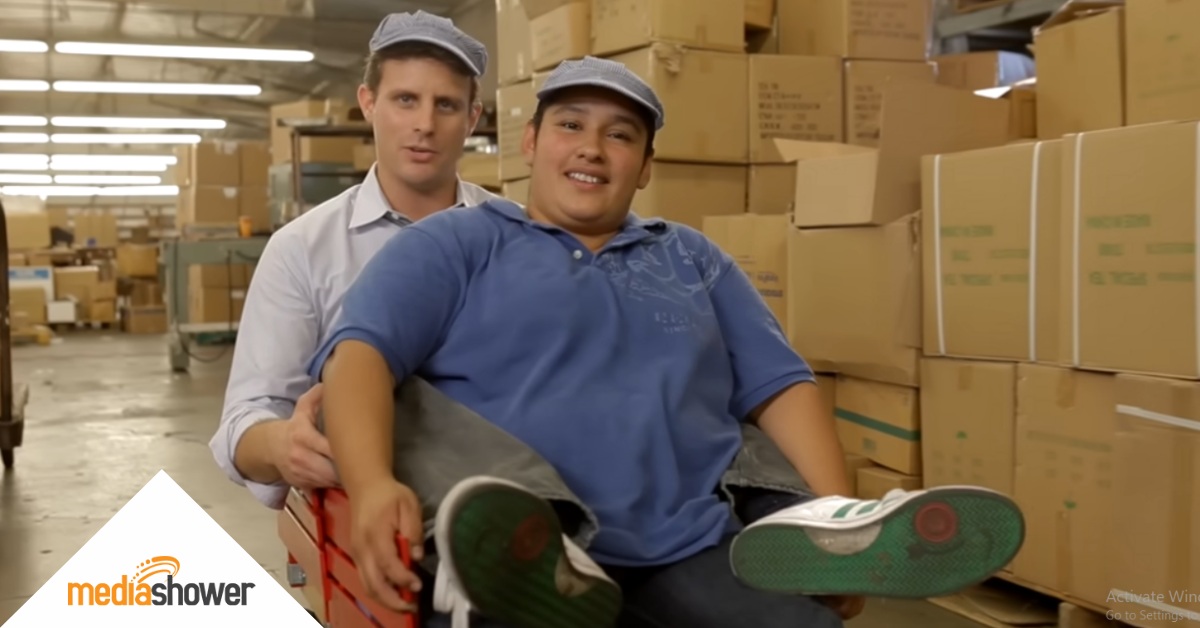
When the now-viral Dollar Shave Club launch video dropped in 2012, it opened with a swagger that set an immediate tone: a deadpan Michael Dubin striding through a warehouse, machete in hand.
Dubin, co-founder and on-screen talent, delivered a 90-second monologue that cut through a category drowning in chrome and clichés. The pacing was brisk, the humor was bone-dry, and the message was unmistakable: Razor blades didn’t need to cost as much as a small household appliance.
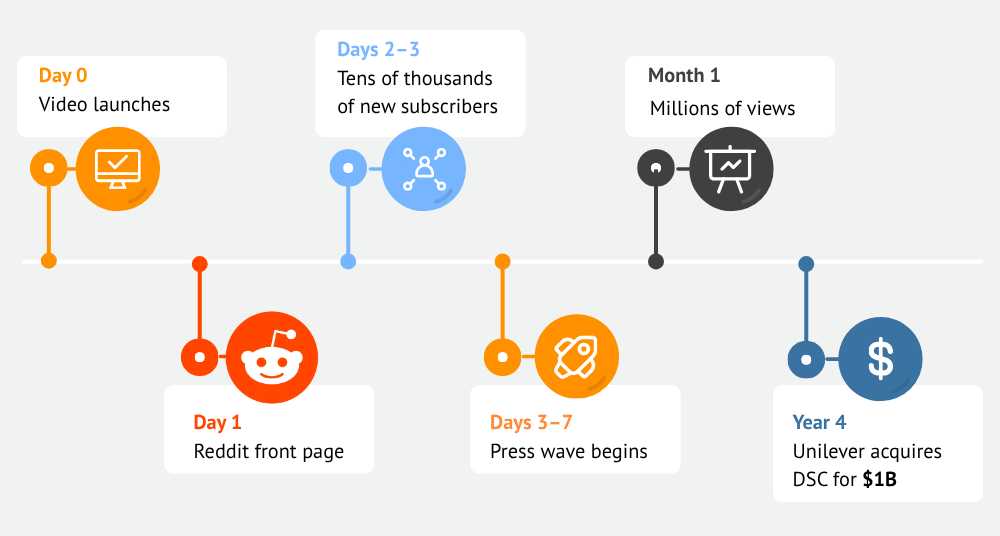
Shot for $4,500, the video’s scrappiness became part of its charm. By the end of the day, thousands had subscribed. By the end of the week, the shaving aisle had its first real shake-up in decades.
A Category Ripe for Disruption
For years, Gillette had dominated the shaving market with nearly 70% market share. The model was simple: high margins, incremental upgrades, and retail control that kept competitors at arm’s length.
Consumers, meanwhile, felt stuck with:
- Rising cartridge prices
- Locked store cabinets (a modern annoyance that became a running joke online),
- Product “innovation” no one asked for
Dollar Shave Club entered with a counterpoint so clear it felt inevitable:
Affordable razors delivered monthly with no fuss, no upsells, and no plastic prisons.
The razor category hadn’t changed in years. DSC decided to reframe it.
Building a Legend on a Shoestring
The magic of Dollar Shave Club is its precision of creative choices. Sharp insights drive every beat of the video, creating an instant blueprint for future content.
A founder as talent
Dubin wasn’t an executive playing an actor; he was a trained improv comic. His delivery balanced irreverence with clarity, making every joke double as a value prop.
A one-take, unscripted feel
The video moved like a comedy sketch: forklift cameos, confetti blasts, a man in a bear suit. The chaos felt natural, but every moment reinforced the message: razors don’t need theatrics.
Messaging compressed into comedy
Every moment in the video delivered a joke and a value proposition at the same time. It turned humor into a delivery system for the brand’s sharpest points:
- “Do you think your razor needs a vibrating handle?” A playful jab at over-engineering highlighted how far the category had drifted from what people actually needed.
- “Are you paying for features you don’t need?” A clean reframing of the price problem became a line viewers could quote instantly.
- “Stop buying blades locked behind store cabinets.” A nod to a universal annoyance anchored the pain point in a real-world experience.
The humor was the strategy.
Distribution built for early internet culture
The video was a spark. The internet poured on gasoline.
Instead of chasing traditional media, DSC launched where shareability lived:
- YouTube, where algorithms reward watch time
- Reddit, where a chain reaction of shares, comments, and reposts accelerated its spread
- Social feeds built around low-budget humor
- Email lists and early direct-to-consumer audiences
Why it stuck: It broke every convention of grooming ads: direct, irreverent, and remarkably clear.
“Our blades are f*ing great.”
How DSC Broke Every Rule (And Won)
Dollar Shave Club refused to imitate incumbents. As a result, they flipped the category script.
Founder as the face, not a model
While competitors hired athletes and actors, DSC used the guy who actually built the company. It created instant trust and immediate differentiation.
Humor as core positioning
Traditional shaving ads projected seriousness and masculinity. DSC went for satire without losing sight of the problem it solved.
Direct call to purchase
The video linked straight to a subscription sign-up. Users could take action with a single click.
YouTube as a launchpad
In 2012, when brands still saw YouTube as an archive, DSC treated it like a premiere.
Impact and Results: From Warehouse Video to Billion-Dollar Exit
Dollar Shave Club didn’t set out to make a viral video, but that’s exactly what they got.
The immediate explosion
The company scaled faster than its founders expected. Even investors called after seeing the video.
Early signals confirmed the momentum:
- 12,000 subscribers within 48 hours
- Server outages due to demand
- Millions of views in the first months
- Press coverage across major outlets
The long-term disruption
Dollar Shave Club’s video and the new model it promoted re-groomed the entire industry.
Gillette’s reaction showed how deeply the message had landed. Their new battle plan included:
- Steep price cuts
- Simplified cartridge lines
- Its own subscription model
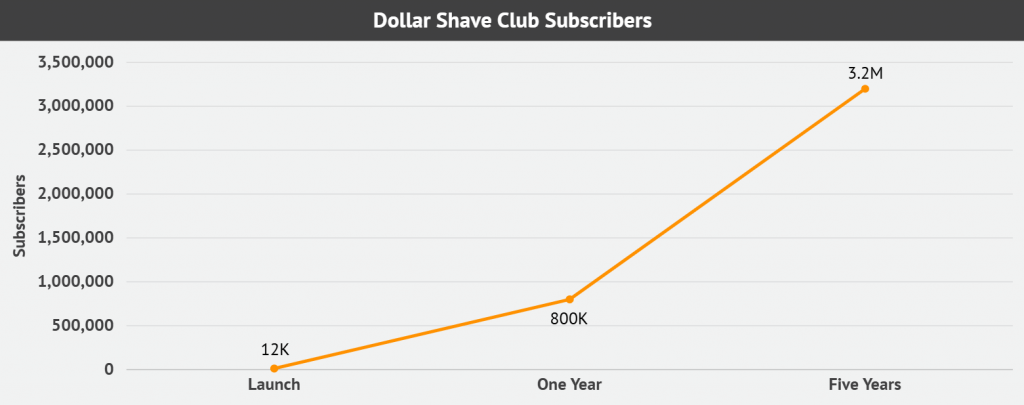
Dollar Shave Club changed the competitive playbook, and the legacy players had to adjust their strategy to keep pace. The subscriber numbers tell the story clearly, showing how quickly the model took hold and how strongly it resonated.
The billion-dollar milestone
In 2016, Unilever acquired Dollar Shave Club for $1 billion. It validated a thesis DSC had proved four years earlier: A sharp insight beats a sharp budget.
Unilever now sells Dollar Shave Club razors in stores, but you can’t get them for a dollar anymore. They’re available on Amazon for double that price, over $2.00 per blade.
Marketer Takeaways
- Low-budget ideas can punch above their weight when the insight is precise and the pain point is universal.
- Founder-led storytelling builds trust fast, especially when it breaks from category norms.
- Humor spreads quickly when it’s grounded in real frustration, not added for decoration.
- Direct distribution turns attention into revenue, especially when the call to action is immediate.
- Category disruption often begins with the obvious, especially when incumbents ignore it.
Media Shower’s AI marketing platform helps brands cut their competitors down to size. Click here for a free trial.
FAQ
Why did the Dollar Shave Club video go viral?
Its humor, authenticity, and clear value proposition made it instantly shareable—and completely unlike traditional shaving ads.
How much did the Dollar Shave Club ad really cost?
About $4,500, proving that creativity isn’t a line item.
Why was Dollar Shave Club able to compete with Gillette?
It offered a simpler, cheaper model and communicated it with bold clarity.
What made Dollar Shave Club’s messaging stand out?
The tone was irreverent, human, and brutally honest, exactly what the category lacked.