The Better Marketing Blog
Better tips, tools, and tactics for the AI era.
Better tips, tools, and tactics for the AI era.
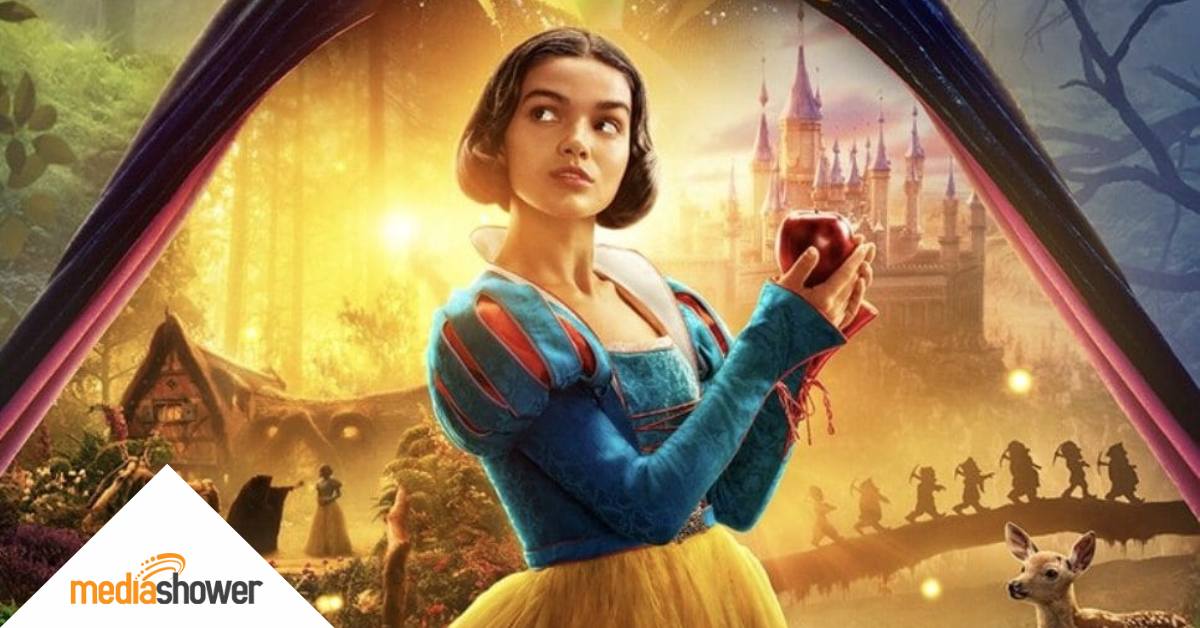
Disney’s been on a hot streak with live-action remakes, so when they announced a new “Snow White,” it looked like another surefire win. But instead of nostalgia and excitement, the early buzz brought confusion and controversy.
Key characters were rewritten or removed. Cast interviews dismissed the original as outdated. And the tone of the campaign leaned more on what the film wasn’t than what it hoped to be.
If your messaging makes loyal customers feel foolish for loving your brand’s past, you’ve lost the emotional connection—and that’s when the magic fades fast.
The final version of the official “Disney’s Snow White” trailer, 2025.
That shift in tone started with the rollout. Early trailers (which now appear to have been pulled) focused less on what this “Snow White” would be, and more on what it wasn’t.
In an early interview, the movie’s star, Rachel Zegler, described the original as “weird” and outdated, leaving longtime fans wondering what Disney was planning.
Key ingredients—romance, whimsy, musical numbers—were either removed or rewritten. Instead of building excitement through continuity, the campaign leaned into contrast.
For a company that built its empire on emotional familiarity, it was a surprising move. The creative changes were bold, no doubt—but the messaging left fans feeling this would not be a comforting return to the enchanted forest.
@thefilmpharm Merely saying this as a student of the game lol. The marketing, non-marketing, & PR of Snow White is going to be studied for a very long time. People are also extra mean to Rachel Zegler even though I understand where it comes from. But y’all be dragging it sometimes ?. #RachelZegler #SnowWhite #Disney #Marketing #PR #Cinema #Culture ♬ original sound – Film Pharm
Rachel Zegler: The original was “weird.”
Much of the controversy centered on accusations of “wokism” that stoked political outrage on both sides, but some of it focused on changes to the tone of the story.
The press tour continued to downplay the original. For many fans, this felt less like an update and more like a disavowal.
By the time the film hit theaters, the marketing had already created an uphill climb. A fan event in Los Angeles played to a mostly empty house. Social media was dominated not by anticipation, but debate over whether Disney had abandoned its roots.
Critics weren’t sold either; “Snow White” debuted with a 47% score on Rotten Tomatoes—one of Disney’s lowest-rated live-action adaptations in recent years. (As of this writing, the score is 44%.)
Where is the optimism of the original? The sweetness of the Snow White character? The wholesome feel that made Disney the ultimate family filmmaker?

Controversy isn’t new to Disney. Let’s not forget—Walt had plenty of skeptics from the start.
So, yes, Disney has always had critics. But Walt never abandoned his core values. He reimagined them—again and again—for each generation.
A trailer for the original Jungle Book, 1967.
Prior to the making of “Snow White,” Disney proved that they knew how to do reinvention right with several successful live-action remakes. Of these, “The Jungle Book” (2016) made the biggest splash, pulling in nearly $1 billion.
Here’s a look at why “The Jungle Book” did so well while many find “Snow White” disappointing.
“The Jungle Book” was released in 2016 and showed that it’s possible to modernize a classic without losing the magic.
Jon Favreau kept the core story intact, added a visual glow-up, and leaned into what audiences already loved. The marketing didn’t try to redefine the narrative—it just said, “Here’s the story you remember, only cooler.”
The remake reminded everyone that nostalgia and innovation can absolutely share the same screen.
Original Disney trailer for “The Jungle Book,” 2016.
“Snow White” took a different path—more reboot than refresh. The campaign downplayed the romance, left out the optimism and family connection that defined Walt Disney, and introduced a title character with a whole new backstory.
The message? This isn’t your grandmother’s fairy tale.
But that bold repositioning skipped an important step: giving audiences a reason to care. Instead of saying, “Come back to this world you love,” the campaign said, “We’re starting over.”
But reinvention without reassurance is a hard sell.

That’s the lesson modern marketers often forget. You don’t have to ditch your values to stay relevant; you just have to reinterpret them.
Walt Disney built his brand on hope, imagination, and creative risk-taking. His innovations—from the first multiplane camera to the first fully themed park—weren’t about novelty for novelty’s sake. They served the story.
When Disney got it right, the company updated the form—new characters, new styles, new delivery—without losing the foundation. The values stayed visible. The tone stayed familiar.
That’s how Disney has built trust across generations.
The “Snow White” remake misses that mark. It’s more assertive, but less joyful. It speaks to adults reevaluating the past, rather than families rediscovering it together.
Reinvention is good. Walt did it constantly.
But the most effective brand updates reinvent the princess without rejecting the fairy tale.

Media Shower’s AI platform helps you modernize your message without losing its magic. Click here for a free trial.
Start your free Media Shower trial and get personalized insights on your SEO, competitors, AI visibility, and what to do next.
