The Better Marketing Blog
Better tips, tools, and tactics for the AI era.
Better tips, tools, and tactics for the AI era.
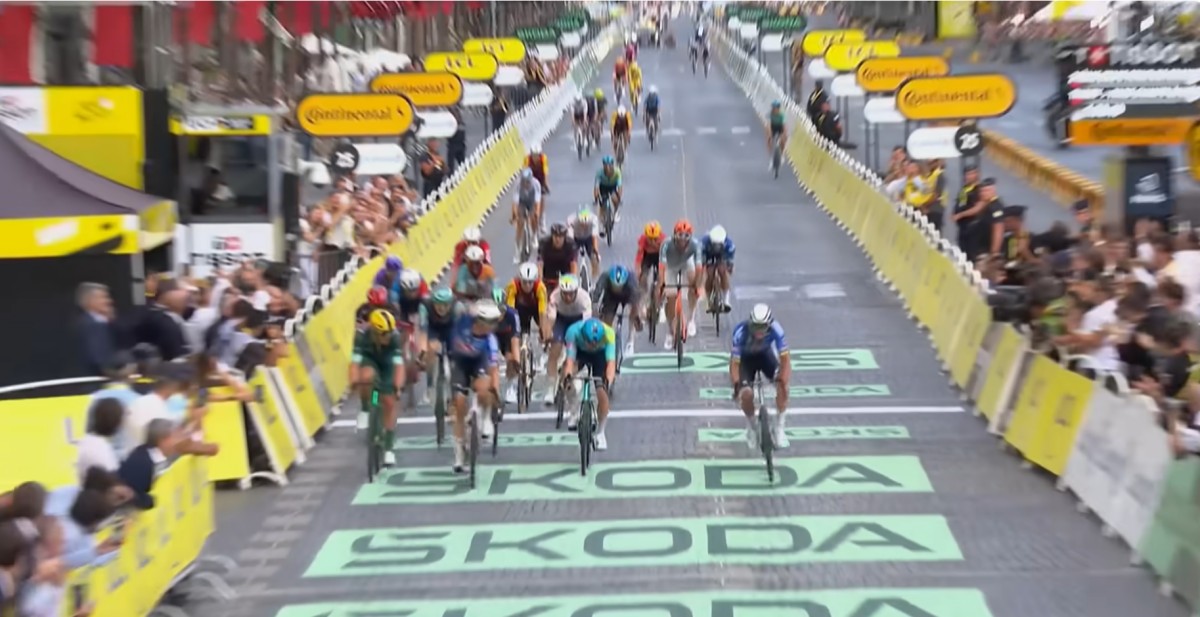
Every July, millions of people sit down to watch a bicycle race and find themselves touring France along the way. As riders cross mountain passes and thread through medieval villages, the broadcast widens to vineyards, castles, cathedrals, coastlines, and town squares.
Few viewers realize that the famous race is also one of the world’s most sophisticated marketing systems.
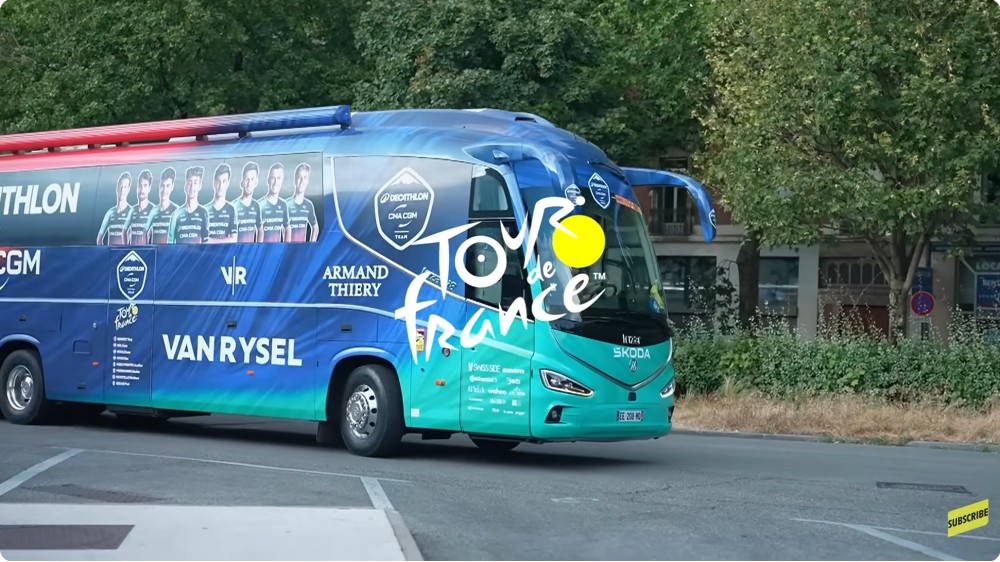
The Tour de France has all the familiar machinery of a major sporting event: television rights, branded vehicles, sponsors, and so on. What distinguishes the Tour is how those elements combine to make France a major part of the attraction.
The route passes through vineyards, Alpine resorts, coastal towns, agricultural regions, and villages that rarely receive international attention. A helicopter may leave the riders long enough to show a hilltop fortress while commentators explain its history, or a quiet stretch of road may introduce a cathedral, a regional cheese, or the village ahead.
The Tour reaches roughly 190 countries, with every stage shown live from beginning to end, giving producers an unusual amount of time for this storytelling. Viewers may arrive for a mountain attack or sprint finish, but they spend hours moving through the country alongside the peloton.
The race earns the audience, and France gives them more to watch. (Few sporting events give vineyards quite as much television time as the athletes.)
This experience was intentional, as envisioned by television director Jean-Maurice Ooghe.
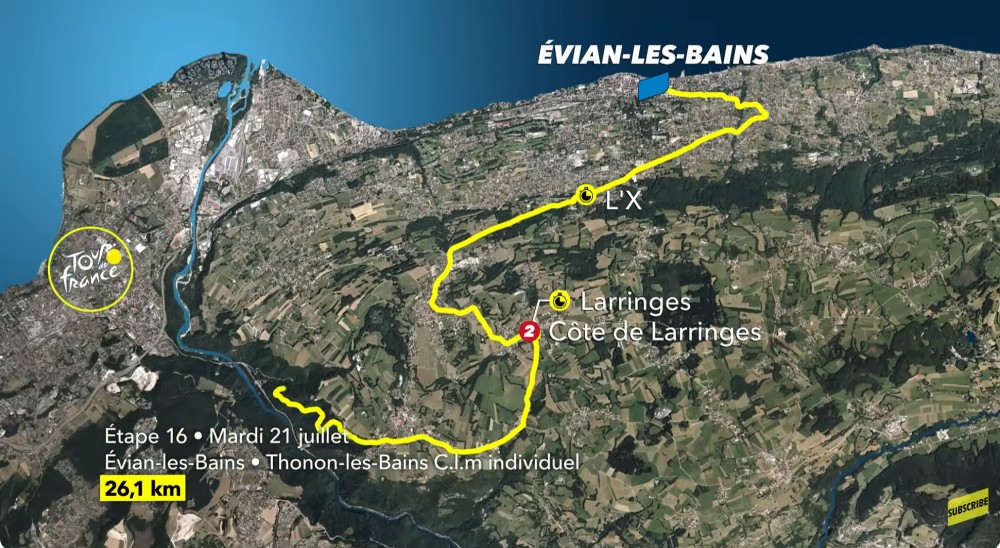
For more than two decades, Ooghe shaped the Tour’s television coverage for France Télévisions. Most viewers never knew his name, but they saw France through his eyes.
Before each Tour, he traveled the route in search of villages, castles, vineyards, churches, bridges, monuments, and landscapes that could enrich the broadcast. His team researched those locations and considered how each one might appear from the road or the air.
Ooghe’s work makes the Tour’s editorial intent visible. His contribution was less about inserting tourism into the broadcast than recognizing how naturally a sense of place belonged there.
A mountain climb carried more meaning when viewers understood the surrounding region, and a village became easier to remember when the broadcast connected it with a history, specialty, or local tradition. The race remained central, but France became the palette.
Live competition still dictated the coverage. Crashes, attacks, weather changes, and tactical surprises could alter the plan at any moment. Ooghe’s advance work gave the production team another story to tell whenever the race allowed it.
That preparation was recorded in a production road book created for television, rather than as a formal tourism campaign. Its commercial value came from what the cameras eventually placed on millions of screens.
The road book combined elements of a travel guide, television rundown, and editorial calendar. In practice, it also served as a shot book, giving camera operators, helicopter crews, producers, and commentators a shared view of the stage before the cyclists arrived.
Route research and historical notes identified locations worth showing, while commentary prompts, production timing, camera considerations, and plans for aerial coverage helped the team decide how those locations might fit into the broadcast.
The document also shows how advance planning supports a live production without controlling it. A breakaway can keep the cameras on the road, a crash can erase several planned shots, and low clouds can hide a mountain or ground a helicopter.
The road book supplies possibilities, not guarantees.
When the race settles, the production team knows where it can turn. Commentators have the historical context, and camera crews know which château, vineyard, village, or mountain road could enrich that point in the stage.
The planning vanishes into the broadcast. Viewers simply move from the race to a village, a monument, or a mountain road and back again without feeling the machinery underneath.
An SVG Europe profile of the Tour’s production describes how advance planning supports a system of motorcycle cameras, helicopters, relay aircraft, and fixed cameras.
The Tour’s commercial character also has deep roots. Historian Eric Steven Reed’s cultural and commercial history of the race traces how organizers, media owners, sponsors, and other stakeholders shaped the Tour as both a sporting event and an entertainment product.
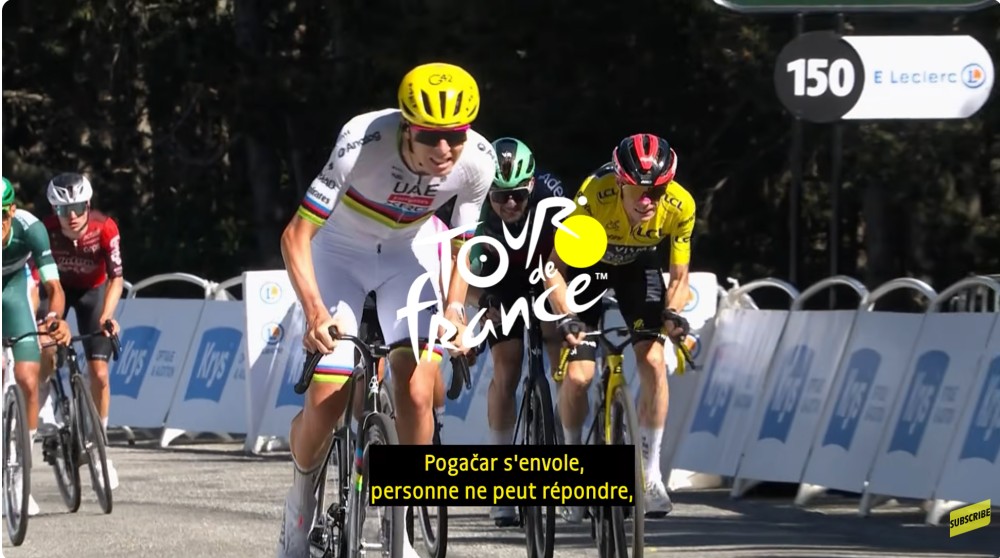
A Tour stage gives a town several hours of attention that would otherwise be difficult to assemble at any price.
Poligny, the finish of Stage 19 in 2023, offers a useful example. The town expected between 15,000 and 20,000 visitors and used the occasion to promote its identity as the capital of Comté cheese.
According to Le Monde’s account of the town’s preparations, local leaders believed conventional advertising could never have delivered comparable international exposure on the same budget.
For the riders, Poligny was the end of a 173-kilometer stage. For the town, the finish placed its signature industry and regional identity before a worldwide audience. The same event served two very different goals without weakening either one.
The opportunity extends along the route. Around Carcassonne and Foix, the Ariège’s mountain roads and historic landmarks give the stage a visual identity that belongs to the region as much as the race.
The Pyrenees offer an even larger canvas. The Tourmalet carries its own sporting mythology, while the peaks surrounding Gavarnie give the coverage the scale and drama of a tourism campaign delivered live.
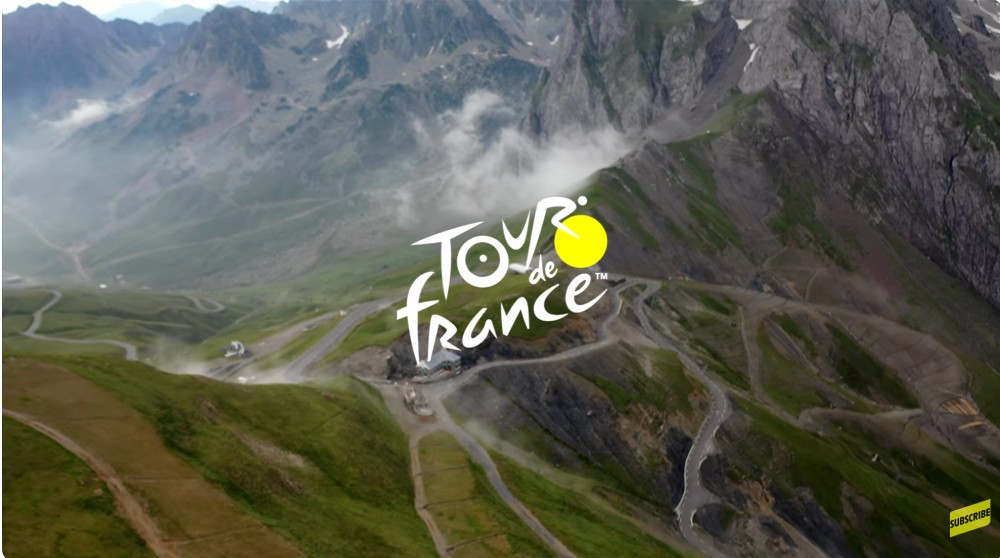
Host communities can shape what the cameras find by organizing festivals, decorating the roadside, and creating artwork large enough to be seen from a helicopter. Local food, landmarks, and traditions become part of the day’s spectacle because towns understand that television rewards a strong visual story.
During the Tour, the helicopters occasionally seem as interested in the landscape as they are in the race.
The images accumulate until even viewers who forget the names of individual villages retain a broader impression of France. A conventional tourism campaign offers a handful of ideal images and asks the audience to imagine the experience. The Tour gives viewers hours inside it.
Host cities accept real costs. Beyond the hosting fee, they may need to fund security, infrastructure, transportation, public events, decorations, and local promotion, while hosting the Tour’s Grand Départ — the opening stages and festivities — can require an investment of several million euros.
Cities continue to compete because the Tour bundles several forms of value into one event. It brings visitors into the streets, places the destination on international television, generates press coverage, and gives tourism officials material they can continue using after the peloton has left.
Barcelona’s 2026 Grand Départ reflects that calculation on a large scale, while Poligny made it with a smaller budget and a narrower local story. Both destinations gain access to attention the Tour has already earned.
The value extends beyond roadside attendance. A host city becomes part of the Tour’s narrative, attached to a stage, a winner, a landscape, and images distributed around the world. That connection can continue working long after race day.
Barcelona welcomed the 2026 Tour de France with a festive team presentation beneath the Sagrada Família, featuring packed crowds, cultural performances, and the official introduction of every team before the Grand Départ.
The strongest Tour sponsors have a credible reason to be there.
Airbnb is a particularly natural fit. Its three-year partnership with the Tour encourages travelers to discover communities along the route and experience the local culture they first encounter through the broadcast.
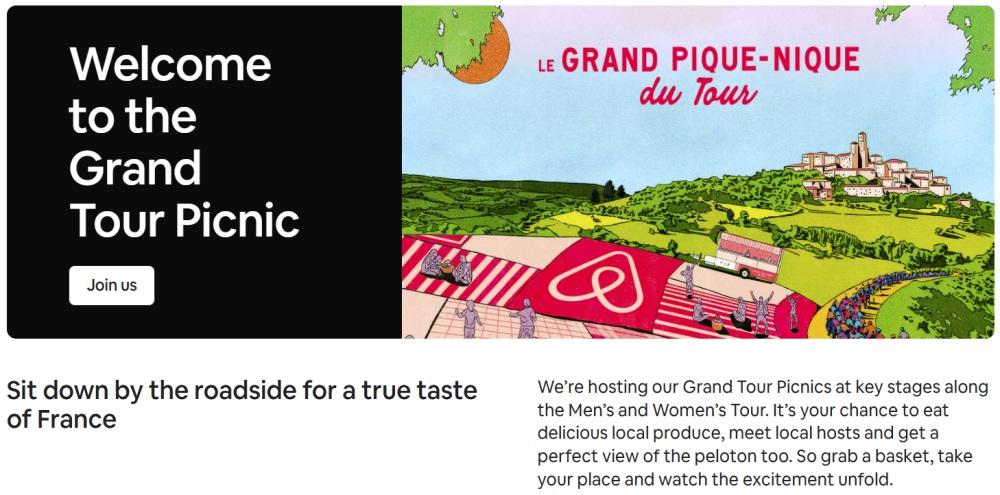
The company’s separate work with the Fondation du Patrimoine connects tourism with the preservation of rural heritage, reinforcing the Tour’s attention to historic places, regional travel, and communities outside the largest cities.
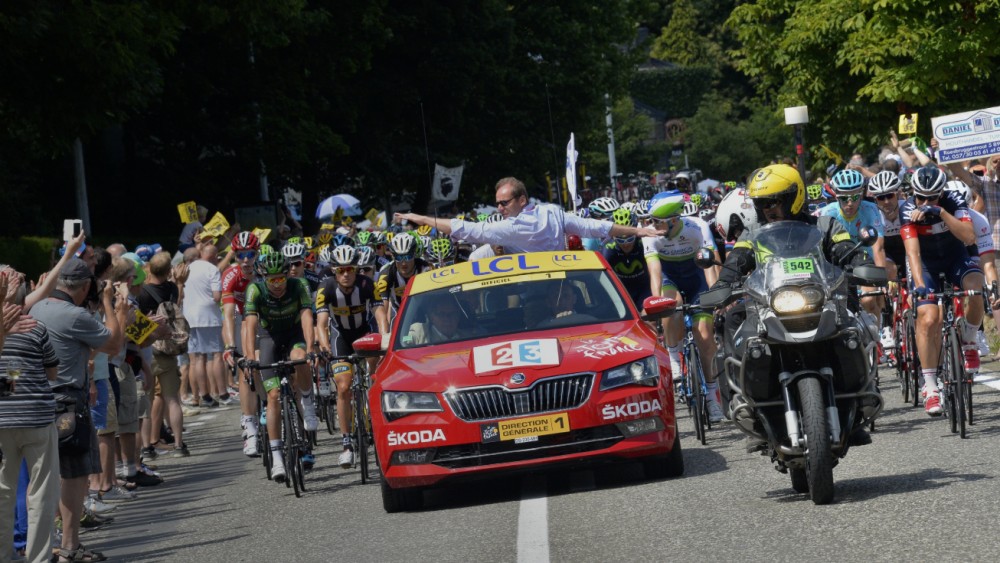
Other sponsors are embedded more directly in the race. ŠKODA supplies the official vehicle fleet, including the red car used by the race director, while LCL has been associated with the Yellow Jersey for decades. Spectators also arrive early for the publicity caravan, which turns branded vehicles into a moving parade before the riders appear.
These partnerships work because each brand improves the experience in a recognizable way. ŠKODA helps keep the race moving, the publicity caravan entertains roadside crowds, and Airbnb extends the Tour’s promise of discovery into actual travel.
No sponsor, broadcaster, or host city creates the Tour’s marketing power alone. The system works because every participant benefits from keeping the race, and the country around it, worth watching. Promotion becomes part of the product.
Media Shower’s AI marketing platform helps brands create campaigns that go the distance. Click here for a free trial.
The broadcast promotes France, its regions, host communities, heritage sites, and sponsors through route design, scenery, commentary, and aerial coverage.
Route planners balance sporting, safety, logistical, geographic, municipal, and broadcast needs. The final route also determines which regions and communities receive international television exposure.
Television reaches far beyond the spectators standing along the road. Host cities can gain media exposure, visitor spending, and an opportunity to present local food, culture, history, and tourism to an international audience.
Sponsors appear on jerseys, race vehicles, classifications, broadcast graphics, and the publicity caravan. The strongest partnerships have a clear connection to the experience, as Airbnb’s travel partnership does.
Viewers see logos, sponsor vehicles, and branded race elements throughout the Tour. Destination marketing reaches them more subtly through the route, scenery, commentary, and aerial coverage.