The Better Marketing Blog
Better tips, tools, and tactics for the AI era.
Better tips, tools, and tactics for the AI era.
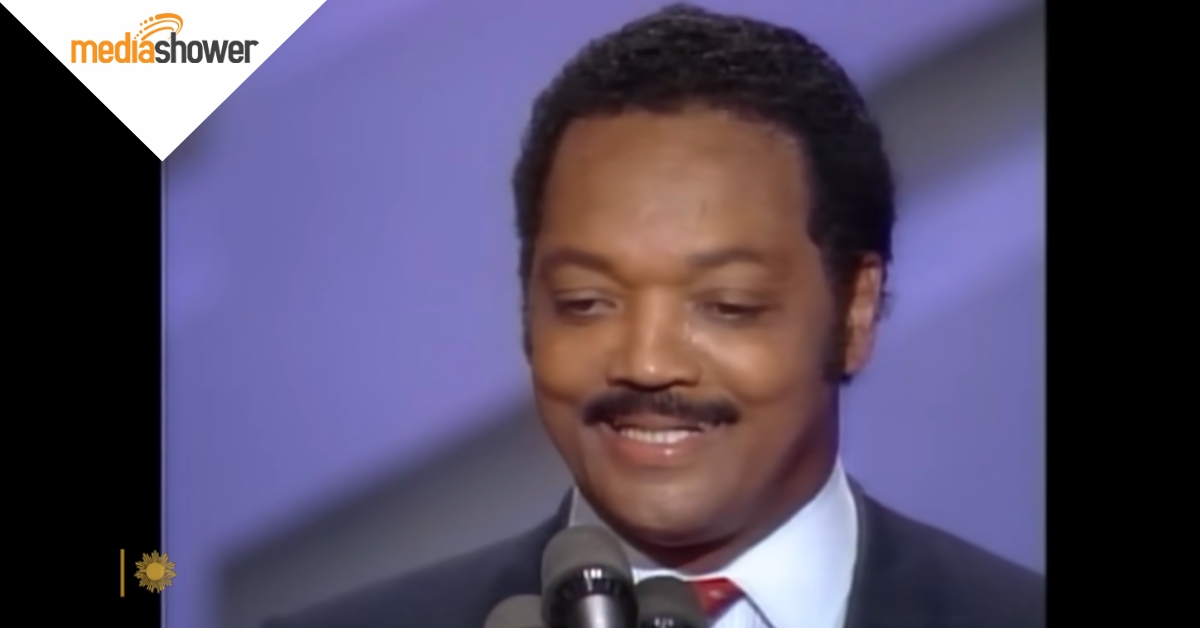
Jesse Jackson passed away on February 17, 2026, at age 84. He was a civil rights icon, a two-time presidential candidate, and one of the most gifted communicators of the 20th century.
To understand his voice is to understand the history of American advocacy. Here’s what made him unforgettable.
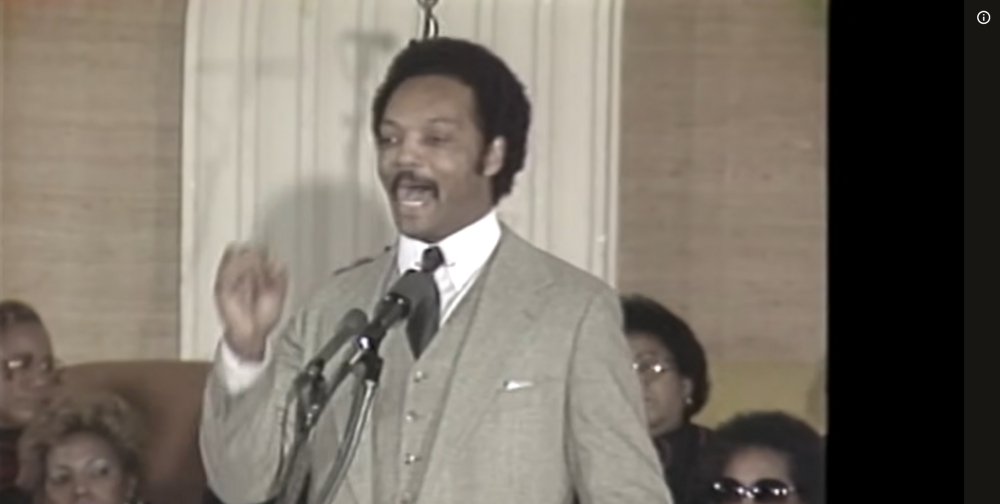
Jesse Jackson was born on October 8, 1941, in Greenville, South Carolina, in a town so strictly segregated that the public library was off-limits to him. The sting of that exclusion stayed with him; he was only 18 when he and seven other students were arrested for simply trying to use that library.
This early confrontation with systemic racism shaped his understanding that access is the first step toward equality.
By 1968, he had moved from the South to the center of the movement. He was standing on the balcony of the Lorraine Motel in Memphis, just feet from Martin Luther King Jr., when King was shot.
That moment served as a passing of the torch, thrusting Jackson into a spotlight he would occupy for the next six decades.
He learned his craft in the Black church tradition, where the stakes of communication were high. In that world, a preacher who could not hold a congregation for an hour was not really preaching.
Jackson took that standard of engagement and built on it, developing a style that fused the spiritual cadences of the pulpit with the cold discipline of a political strategist.
In 1971, he founded Operation PUSH (People United to Save Humanity) in Chicago. The weekly Saturday morning rallies he hosted there became a proving ground for his rhetorical skills.
These rallies grew so influential that they drew national politicians and presidential candidates from across the country. They came because Jackson had built an audience that could not be ignored: a “Rainbow Coalition” before the term was popularized.
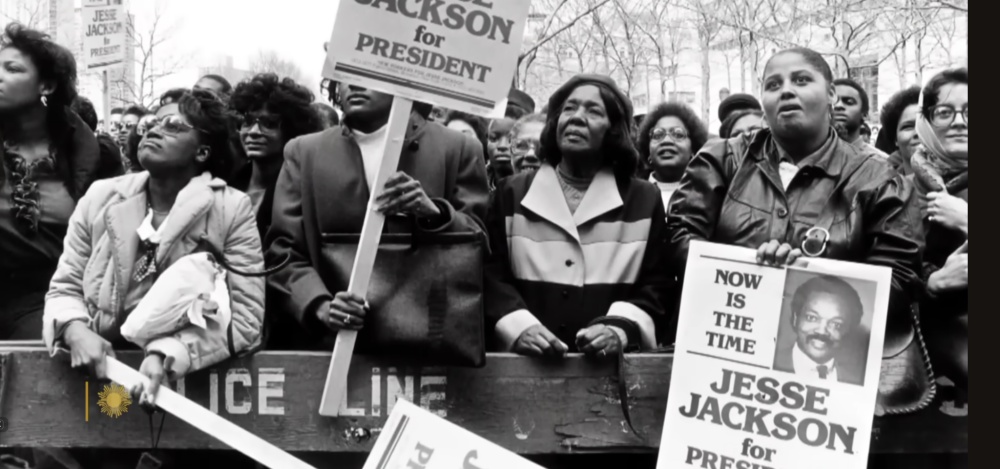
Scholars who have analyzed Jackson’s rhetoric describe it as “percussive soundbite rhetoric.” This was a deliberate evolution of traditional oratory. In the television age, language has to land before the mind even catches up to the meaning.
Jackson understood that the medium favored the punchy, the rhythmic, and the repetitive.
The best example of this style may be the 1988 Democratic National Convention. Jackson had lost the primary to Michael Dukakis and stood before a convention that had chosen someone else.
Despite this, he delivered what many consider the finest political speech of the 20th century. It was so structurally precise that the crowd was chanting his refrains before he even finished the sentences.
The “Keep Hope Alive” speech, DNC 1988
Jackson’s most celebrated rhetorical move at the 1988 convention came from a specific childhood memory. He described his grandmother pulling scraps of wool, silk, gabardine, and croker sack from a pile nobody else would have kept. She would sew them into a quilt because she could not afford a blanket.
He held that humble image up against the complexity of the United States:
“America is not like a blanket, one piece of unbroken cloth, the same color, the same texture, the same size. America is more like a quilt, many patches, many pieces, many colors, many sizes, all woven and held together by a common thread.” – Jesse Jackson
The audience understood, without being told, that they were the quilt. By using a concrete, domestic object to explain a complex national identity, he made the argument for diversity feel like a warm, wholesome necessity rather than a political talking point.
Jackson’s most quoted lines often demonstrate a technique called chiasmus: a sentence that reverses its own structure to shift the meaning.
“I was born in a slum, but the slum was not born in me.” – Jesse Jackson
By mirroring the sentence structure, Jackson used the form itself to make the argument that circumstances don’t determine identity. You feel the physical reversal of the words before you process the logic. This sequence — emotional resonance followed by intellectual understanding — is exactly how he designed his most durable lines.
“I am somebody” began as a poem Jackson recited at rallies in the late 1960s. It was a tool of psychological restoration for a community that had been systematically told otherwise. In 1972, he brought this message to Sesame Street, speaking to an audience of children who had never heard a leader speak to them so directly.
He repeated it line by line until the crowd joined in. The repetition became the mechanism of change itself. It transformed a solitary thought into a collective declaration.
At the close of the 1988 convention speech, Jackson built to a refrain scholars classify as epimone: the constant repetition of a phrase until it functions as a communal heartbeat. He said “Keep hope alive” three times, then a fourth, then called it out as the crowd took it up.
The audience owned the sentiment. That transfer of ownership from speaker to crowd separated Jackson’s best moments from those of every other politician.
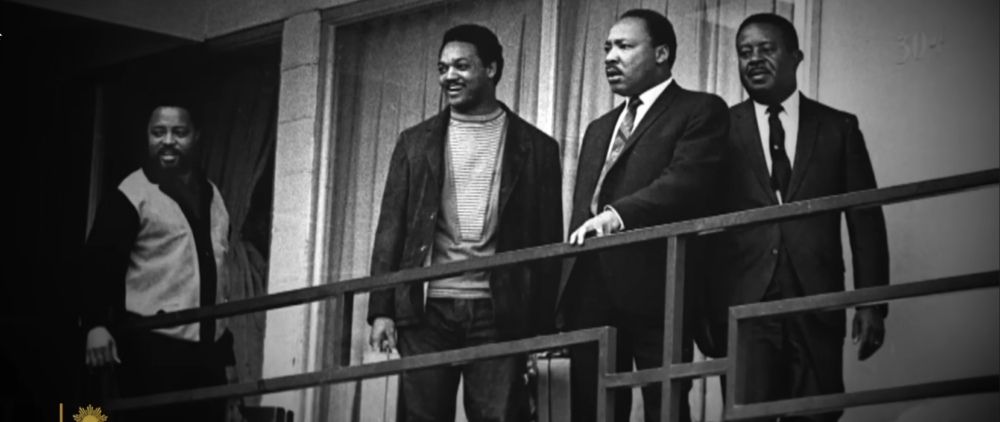
Jackson had a specific phrase for his communication philosophy: starting with the “isness of the situation.” This meant addressing the actual, raw conditions of people’s lives without the filter of political jargon.
“You have to start with the isness of the situation, the context of people’s lives. Otherwise, you can end up with pietistic entertainment. It doesn’t move the needle of social structures; it doesn’t change the conditions of people’s lives.” — Jesse Jackson, Keeping Hope Alive: Sermons and Speeches
Jackson didn’t speak in abstractions. When he arrived at a housing rally, instead of talking about the political state of housing, he used concrete language to name what it felt like to be priced out of a neighborhood or to see a family member evicted.
By the time he offered a political argument, the audience felt seen and were eager to listen.
When critics attacked him as an “outsider,” he answered with specificity: stories about his grandmother’s kitchen or constituent letters read aloud at the podium.
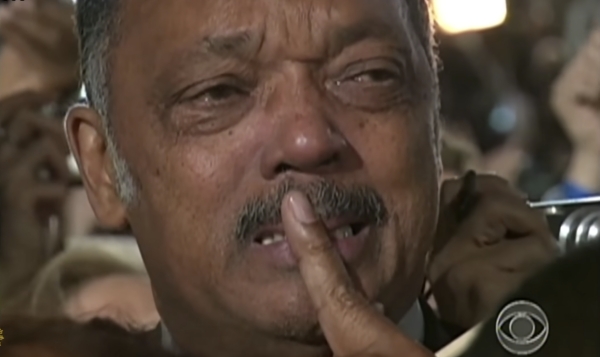
Jackson’s passing marks the end of a specific tradition in American oratory: the preacher-politician who understood that to change a law, you first have to change the language. His phrases are still in active circulation:
He said that last line for 60 years. These phrases outlasted their original context because Jackson built them to last: They were specific enough to carry meaning, yet simple enough to travel across generations without a footnote.
“Never look down on anybody unless you’re holding them up.”
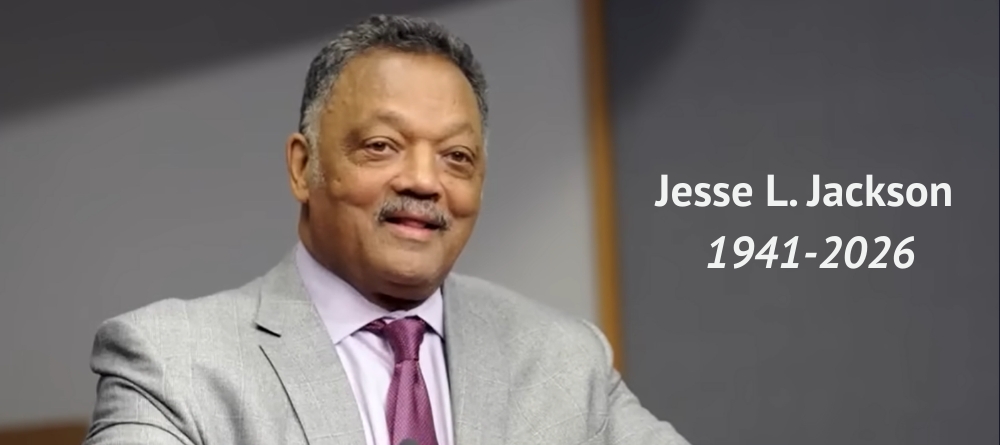
Jesse Jackson spent his career demonstrating that the craft of communication is the work itself, not just a “wrapper” for it. His technique translates directly to how modern brands can build messages that last.
Media Shower’s AI marketing platform helps you create the words that move people. Click here for a free trial.
What made Jesse Jackson’s communication style unique?
Jackson combined the rhythm and call-and-response structure of Black Southern Baptist preaching with national political oratory. His approach made audiences feel like participants rather than spectators.
What is the “I Am Somebody” speech?
“I Am Somebody” was an affirmation Jackson led at Operation PUSH rallies in the early 1970s. Built on anaphora and audience response, it became one of the most recognized rhetorical formats in American civic life.
What marketing lessons can brands take from Jesse Jackson’s rhetoric?
The core lessons include rhythm, specificity, participation, and compression. Brands that build repeatable language, lead with values, invite co-ownership, and distill their message tend to create stronger loyalty.
How did Jesse Jackson use language to build the Rainbow Coalition?
The rainbow metaphor implied that unity and difference could coexist. Jackson used inclusive enumeration to unify segmented audiences without erasing identity.
How did Jesse Jackson’s communication skills help him negotiate hostage releases?
He built credibility over decades through consistent values-based language. That trust transferred into adversarial negotiations and opened doors that formal diplomacy could not.