The Better Marketing Blog
Better tips, tools, and tactics for the AI era.
Better tips, tools, and tactics for the AI era.
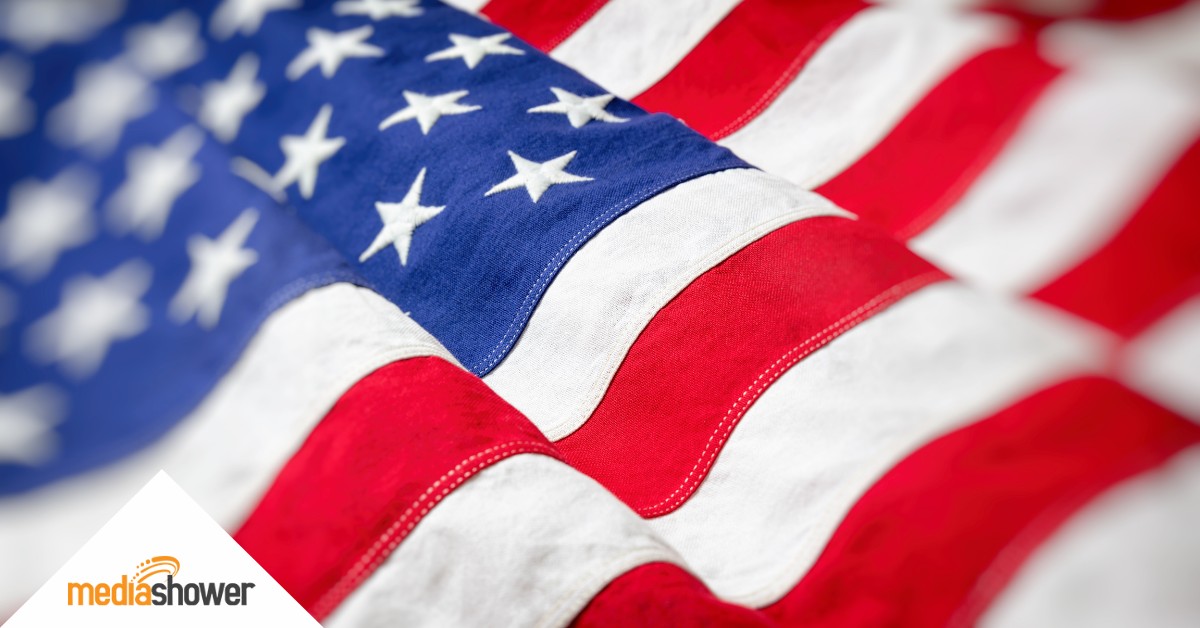
Political campaigns understand something many brands forget: Messaging shapes identity.
We’ve compiled ten of the most impactful U.S. political campaign slogans in chronological order, along with what marketers can steal from them to improve their own brand messaging.
In 1840, America was young, unstable, and suffering from a brutal economic downturn after the Panic of 1837. Presidential candidate William Henry Harrison was a war hero, specifically from the Battle of Tippecanoe, but hardly a charismatic modern campaigner.
His supporters turned his biography into a rhyme: “Tippecanoe and Tyler Too.”
That musical quality mattered. Campaigns in the 19th century revolved around songs, parades, and printed banners. The slogan functioned as repeatable culture as much as messaging.
Marketers: If it sticks in the mouth, it sticks in the mind.
The Roaring Twenties roared right up until the stock market crash of 1929. Herbert Hoover’s campaign leaned into prosperity with a phrase that promised abundance: “A chicken in every pot and a car in every garage.”
It captured American optimism before the Great Depression rewrote the narrative. The slogan promised comfort and normalcy, and upward mobility.
Its power came from specificity. Voters could see it, taste it, and park it in the driveway.
Marketers: Sell the dinner on the table.
Post–World War II America was tired of conflict. Dwight D. Eisenhower was the Allied Supreme Commander, seen as a figure of calm authority. His campaign chose a different tone: “I Like Ike.”
The three-word slogan was welcoming and warm, as if it were signaling to voters to join a club.
Marketers: Replace features with feelings.
Ronald Reagan’s re-election campaign aired a now-famous ad showing weddings, sunlit houses, and people going to work. The tagline: “It’s morning again in America.”
After the inflation and malaise of the late 1970s, the message emphasized emotional renewal.
Marketers: The strategy relied on reassurance and contrast with recent hardship.
Marketers: Hope scales when timing supports it.
The early 1990s were recessionary and restless. George H.W. Bush had sky-high approval after the Gulf War, but economic anxiety was rising. Inside Bill Clinton’s campaign headquarters, strategist James Carville posted a blunt reminder: “It’s the economy, stupid.”
The phrase began as internal guidance, yet it defined the campaign’s discipline.
It cut through distraction and focused every speech, ad, and debate on the issue shaping voters’ daily lives.
Marketers: If your team can’t repeat the strategy in six words, simplify it.
The 2008 financial crisis collided with cultural change and war fatigue. Barack Obama’s campaign tapped into a generational shift with his three-word slogan, “Yes We Can.”
The phrasing felt inclusive and participatory, and it spread into music, memes, and global discourse, functioning as movement language.
Marketers: The strongest taglines double as rallying cries.
Few slogans in modern history have been as polarizing — or as effective — as “Make America Great Again.”
Donald Trump revived a phrase used previously by Ronald Reagan. In 2016, it became an identity badge. The red hat functioned as wearable positioning.
The slogan implied loss and positioned restoration as the mission.
Marketers: If your tagline works on a hat, it travels into culture.
Hillary Clinton’s 2016 slogan responded to division with unity: “Stronger Together.”
The message framed diversity as an asset and emphasized collective strength.
In a polarized climate, it positioned collaboration as stability.
Marketers: In fragmented markets, unified messaging signals scale and safety.
Bernie Sanders’ “Not Me. Us.” was minimal and rhythmic.
It positioned the candidate as a vessel for collective power. In a culture skeptical of institutions, that anti-ego framing resonated with many Americans.
The punctuation created pause and a chant-like energy.
Marketers: Fewer words and less ego can build trust.
In 2020, amid a pandemic and economic shock, Joe Biden’s campaign launched “Build Back Better.”
The phrase promised recovery paired with improvement.
Alliteration increased memorability, while the forward orientation acknowledged damage and emphasized advancement.
Marketers: When markets crash, promise evolution.
Across 180 years of campaigns, patterns emerge.
Political campaigns operate under intense time pressure and scrutiny, with polarized audiences and limited attention. Clarity consistently wins in that environment.
Brands face similar conditions today. Attention is fractured, and audiences are skeptical. Markets shift quickly.
Winning brands rely on clear rallying cries rather than sprawling messaging decks.

Media Shower’s AI marketing platform helps businesses create marketing that wins by a landslide. Click here for a free trial.