The Better Marketing Blog
Better tips, tools, and tactics for the AI era.
Better tips, tools, and tactics for the AI era.

Content marketing moves quickly. Advice that felt reliable in January often needs rethinking by summer. That’s why we scrolled deep to find the best content marketing articles of the year.
It’s been a whirlwind. AI adoption accelerated. Audiences are treating ChatGPT like the new Google. Marketers are grappling with new benchmarks to track and measure.
The best content articles offer an anchor in these stormy seas. These pieces stand out because they balance insight with practical advice, giving marketers direction at a moment when the industry continues to evolve.
Whether you manage a content team, run an agency, or operate as a solo marketer, these are the reads that will refine your approach for 2026.
To identify the best marketing blogs for 2025, we focused on voices that offer real strategic value and original insights. We began by sourcing candidates from industry roundups, vetting them for relevance to major 2025 trends (like AI and data privacy) and site usability.
We then scored the shortlist across six core areas. We prioritized Content Quality (depth, originality, and data), Author Authority (proven credentials), and measurable Audience Impact.
Only blogs demonstrating high editorial standards and providing practical, actionable guidance made our final list, ensuring you get advice from trusted, forward-thinking leaders.
Here are our top choices from 2025, in no particular order.
We’re entering a new era, from a “Google Web” to an “AI Web.” Instead of doing a Google search, clicking through links and reading websites, we just ask the AI. (So why do people even need to visit your website anymore?)
Best for: Teams building AI-forward roadmaps.
This trends article breaks down the year’s most influential trends, from AI-native workflows to modular production. It’s especially helpful for understanding how automation is reshaping both content velocity and quality expectations. These recommendations give leaders a grounded way to evolve their systems without adding unnecessary complexity.
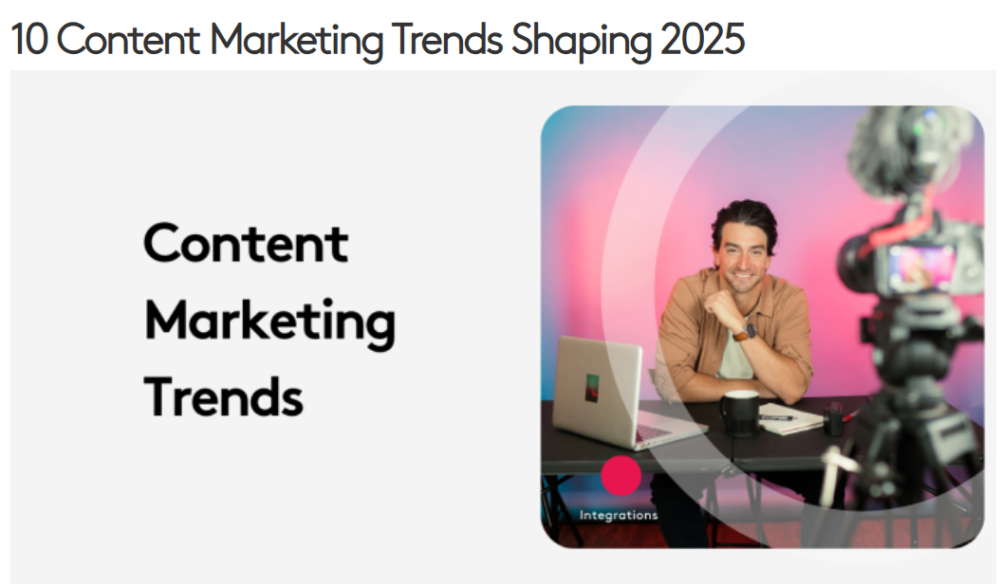
Best for: Marketers refining multichannel planning.
Core dna focuses on personalization, content design, and channel behavior in its round-up of content marketing trends. It’s a strong snapshot of where audience preferences are moving and how those changes affect planning. The insights help teams recalibrate content calendars with more intention.
Best for: Strategic planners connecting content to broader marketing shifts.
Sprinklr widens the lens to cover CX, social, automation, and predictive analytics. This context helps content teams understand how their work fits into cross-functional priorities. It’s especially useful for leaders who need to align messaging with organization-wide goals.
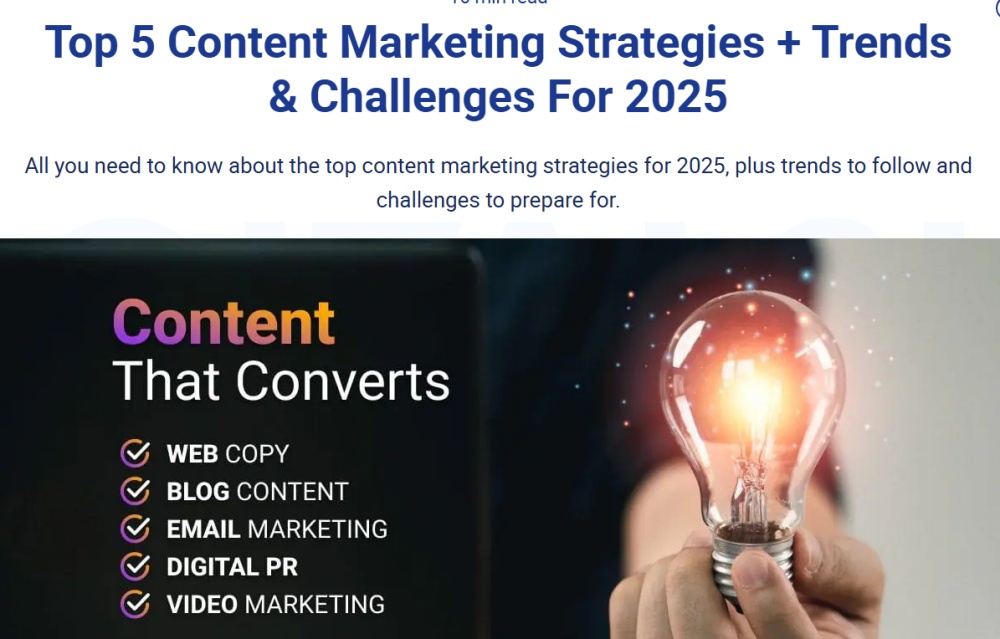
Best for: Marketers looking for clear, digestible strategic direction.
Digital Silk offers a concise overview of emerging approaches to personalization, storytelling, and channel strategy. The article highlights practical adjustments that help teams keep programs current. It’s an efficient read for anyone refreshing a mid-year plan.
As strategy evolved in 2025, teams needed practical systems to match the pace. These pieces translate high-level guidance into workflows and habits that support consistent, high-quality output. They’re especially useful for marketers who want actionable steps rather than broad recommendations.

Best for: Marketers who need polished visuals without a dedicated design team.
This guide shows how Nano Banana Pro turns prompts, data, and reference images into production-ready dashboards, slide decks, infographics, and 4K hero images. This is no curated roundup; it’s chock full of original examples.
This article is especially useful for teams building AI-assisted workflows, with clear examples of where the tool excels, its limitations, and how to use it to collapse long design cycles into a single, on-brand visual pass.
Best for: Teams upgrading workflow and governance.
OneNine focuses on the operational side of content: AI integration, quality control, and consistent publishing rhythms. This best practices piece offers a practical guide for teams moving from experimentation to structured systems. The emphasis on scale without sacrificing quality makes it especially actionable.
Best for: Marketers focused on distribution and reach.
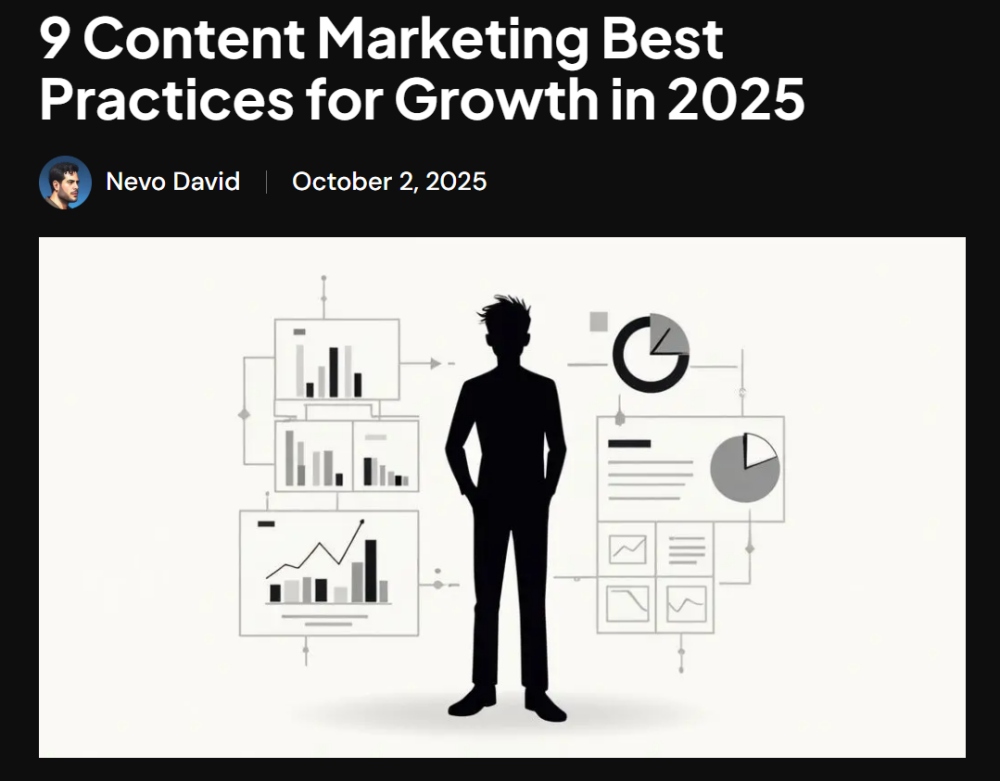
This article centers on engagement levers such as platform-specific optimization and strategic repurposing. It provides a clear view of how to extend the lifespan of content without increasing production load. Teams trying to do more with the assets they already produce will gain the most value from it.
Best for: Practitioners wanting structured, repeatable tactics.
In this article, Floodlight outlines how to apply journey-based planning, audience insight, and format diversification. The guidance helps teams turn strategy into day-to-day actions that stay responsive to changing conditions. It’s a helpful resource for marketers balancing planning with execution.
Best for: Small teams operating with limited resources.
4OVER4 focuses on simple, lightweight systems that support consistent output. It offers clear guidance on planning, publishing, and promoting content without overbuilding. SMBs will appreciate its emphasis on practical steps over complex frameworks.
Fresh data drives smarter planning, and late 2025 delivered a clearer picture of how content performance is shifting. These articles gather the numbers that matter most for budgeting, forecasting, and stakeholder conversations. If you need concrete evidence to guide decisions, this is the section to bookmark.
Best for: Marketers preparing budgets, forecasts, or performance reviews.
SQMagazine compiles statistics on production efficiency, channel performance, AI adoption, and ROI. These numbers help teams benchmark their own programs and set realistic expectations. It’s especially useful for grounding strategic conversations in current data.
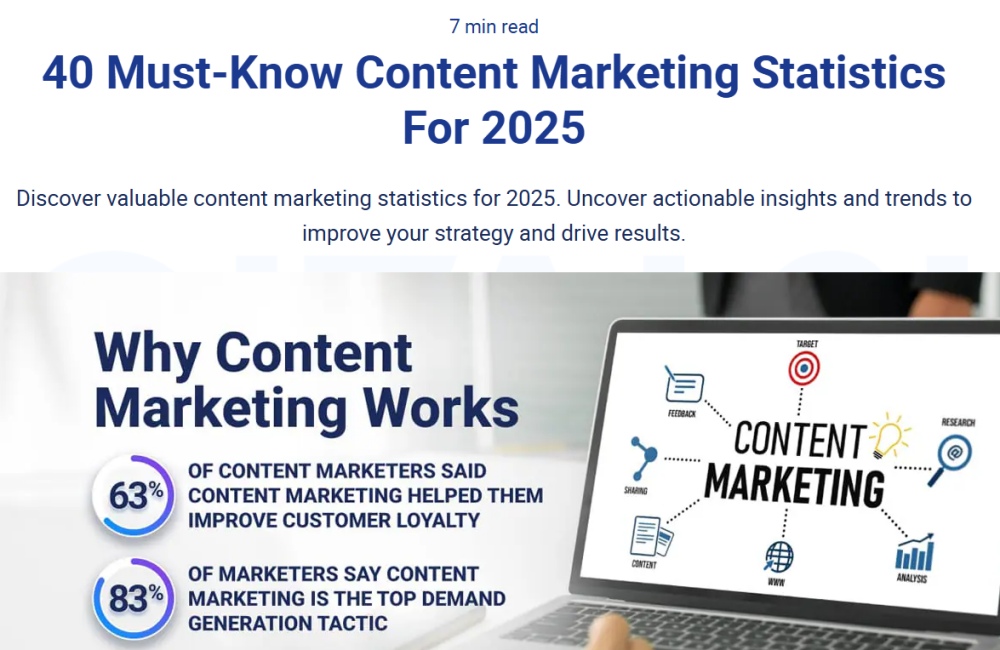
Best for: Presentations, stakeholder communication, and planning decks.
Digital Silk’s roundup covers audience expectations, format trends, and investment patterns. The data is well organized and easy to apply across planning and reporting. It’s a strong reference for teams that need quick, reliable numbers.
Honorable Mentions
A few articles still offer a valuable perspective, even with seismic shifts later in the year. These pieces help show how the year’s thinking developed and where foundational ideas began.
This early-year snapshot captures the expectations marketers brought into 2025 and the priorities that shaped the first half of the year. It remains useful because many of those initial signals evolved rather than disappeared, offering helpful context for understanding the shifts that surfaced later.
Best for: Best for: Marketers who need reliable benchmarks to guide 2026 planning.
Although grounded in 2024-2025 survey data, this report presents clear benchmarks on budgets, AI maturity, and team priorities heading into 2026. It’s especially valuable for marketers who need credible numbers to support planning conversations.

Siege Media outlines mid-year movements in search behavior and content performance that remained relevant through the rest of 2025. Its concise breakdown helps marketers see how foundational SEO expectations settled before the rapid changes of late summer and fall.
This article focuses on evolving search intent and SERP dynamics, offering guidance that stayed meaningful even as AI-driven search grew more prominent. It’s especially useful for teams grounding their content plans in durable SEO fundamentals.
Cropink provides a broad set of statistics that support team benchmarking and performance forecasting. While published earlier in the year, the dataset still gives marketers a solid baseline for understanding how trends developed in the months that followed.
Media Shower’s AI-powered platform helps you create the best content marketing. Click here for a free trial.
Our selection process for the “Top 10 Marketing Blogs of 2025” is rigorous and multi-faceted, designed to move beyond popularity contests and identify genuine thought leaders. We began by sourcing a wide pool of candidates from curated “best of” lists and targeted industry searches (e.g., “best B2B marketing blogs 2025”). This initial pool was then filtered using a quick screen for topical relevance (focusing on 2025 trends like AI, privacy, and social media evolution) and basic site experience.
Contenders that passed this screen were subjected to a deep evaluation across six core criteria, including Content Quality and Originality (prioritizing real expertise, data, and unique insights), Authority and Expertise Signals (vetting author credentials and industry reputation), and Audience Engagement and Impact. Critically, we favor blogs that demonstrate strong Editorial Standards (clear voice, usability, and quality over volume) and ethical practices, ensuring our final list represents not just effective marketers, but trusted, forward-thinking voices in the 2025 landscape.