The Better Marketing Blog
Better tips, tools, and tactics for the AI era.
Better tips, tools, and tactics for the AI era.
A moldy hamburger won two Cannes Lions Grand Prix awards.
For 35 days, Burger King let a Whopper rot in front of a camera, dramatizing Burger King’s move away from artificial preservatives with an image that was revolting, but certainly memorable.
The best ads of the past decade share that memorability. Consider a girl staring down Wall Street’s bull, or your listening history transformed into something you suddenly feel compelled to show everyone you know.
We chose the 10 ads below based on memorable ideas, strong connections to the brand or product, clever use of the medium, real creative risk, cultural reach, measurable effectiveness, influence on later advertising, and the hardest thing to buy with a media budget: staying power.
More than 140 disabled athletes, musicians, and performers appear in Channel 4’s three-minute film promoting the 2016 Rio Paralympics. Set to Sammy Davis, Jr.’s Yes I Can, the film focuses on what its cast can do, with personality and humor to spare.
It generated at least 23 million online views in four days and became the most-shared Olympics or Paralympics ad produced to that point. Channel 4 later reported that 76% of viewers felt it opened their eyes to what disabled people could do.
The stranger achievement came later. We’re the Superhumans entered the UK National Curriculum and became a United Nations disability resource. A Paralympics promo had somehow become homework.
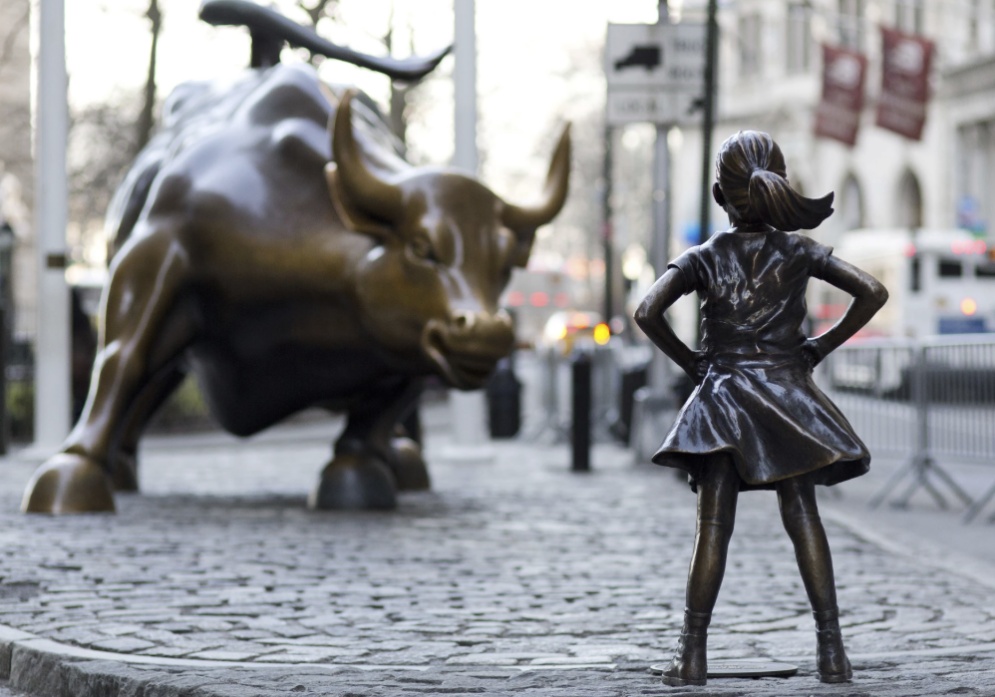
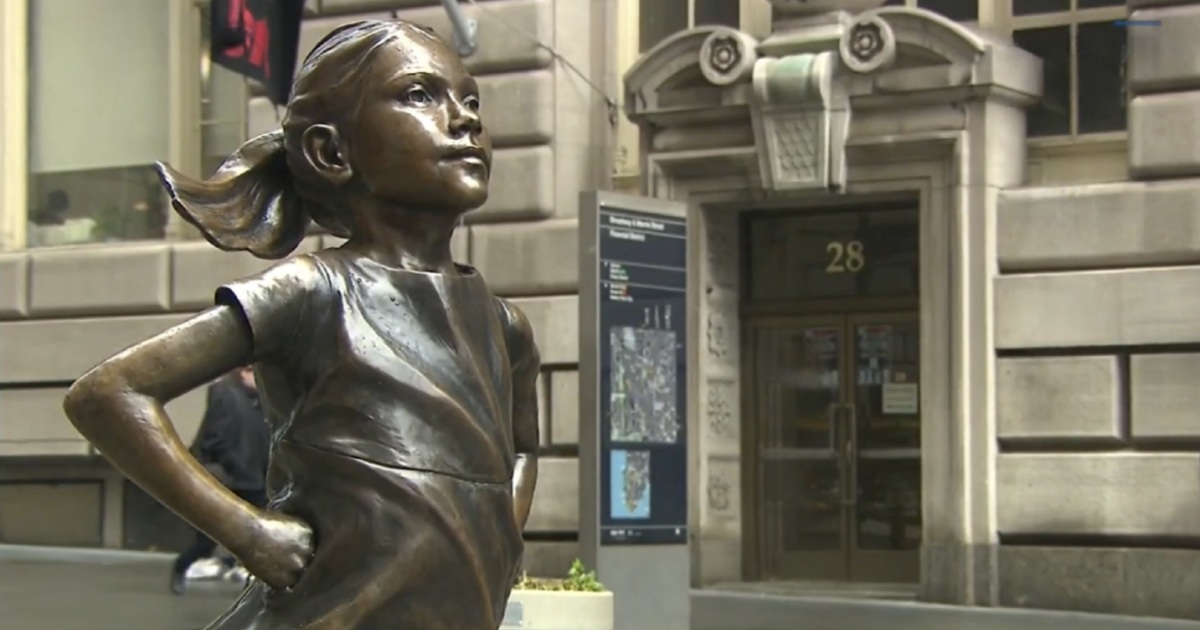
Wall Street already had a giant bronze bull. State Street gave it a small, unimpressed opponent.
Ahead of International Women’s Day in 2017, a bronze girl appeared across from the Charging Bull, hands on hips and chin raised. Its placement did most of the talking.
State Street Global Advisors installed Fearless Girl to promote its SHE fund and advocate for more women on corporate boards. Somewhere else, she would have been a statue. Facing a decades-old symbol of financial power, she turned the street itself into part of the idea.
The statue was later moved to a new location outside the New York Stock Exchange, but the campaign reportedly generated 4.6 billion impressions in 12 weeks and lifted State Street’s share of voice from 7.8% to 37.4%. It won four Cannes Lions Grands Prix and the 2018 North American Grand Effie.
A Super Bowl commercial opens on a handsome man driving a shiny car. David Harbour looks into the camera and asks what makes it a car ad. His clothes are spotless.
“Maybe it’s a Tide ad.”
That joke gave Tide permission to invade nearly every advertising category on television. Once viewers noticed how suspiciously clean everyone looked in the usual parade of beer, perfume, and luxury car commercials, Tide had planted itself inside the visual grammar of the entire Super Bowl.
While other brands had paid millions for airtime, Tide found a way to borrow it.
The campaign generated more than 45,000 uses of #TideAd, won the 2019 US Grand Effie, and topped WARC’s 2020 Effective 100. A WARC summary credited it with $75 million in incremental sales, although the public summary doesn’t disclose the calculation or measurement period.

In 2018, KFC had a rather inconvenient problem for a fried-chicken chain: it ran out of chicken.
A supply failure closed hundreds of UK restaurants. KFC responded with a newspaper ad showing an empty bucket bearing three familiar letters in an unfamiliar order: FCK.
Underneath was a written apology. KFC admitted it had messed up, explained what happened, and told customers restaurants were reopening.
YouGov found that KFC’s word-of-mouth score rose from 11 to 37 during the crisis while purchase consideration held steady at 18. Later case summaries reported more than 700 pieces of coverage and an earned reach exceeding one billion.
There was no elaborate brand manifesto and no heroic language about “navigating supply-chain challenges.” Three rearranged letters told customers that KFC understood exactly how ridiculous the situation looked.
Nike put Colin Kaepernick at the center of its 30th anniversary Just Do It campaign in 2018, two years after his national anthem protest made him one of America’s most polarizing athletes.
Kaepernick narrated a film about athletes pursuing enormous ambitions. His protest and lost NFL career gave Nike’s familiar language about belief and sacrifice considerably higher stakes.
The choice also turned a decades-old slogan into something more contentious than encouragement to run another mile. Dream Crazy attached Nike’s language about conviction to someone who had already paid a visible price for his.
Nike’s award case reports $163 million in earned media and a $6 billion increase in brand value. Online orders also rose 31% over the comparable immediate post-launch period, a figure sometimes misreported as a sustained company-wide sales increase.
Dream Crazy won an Emmy, a Cannes Lions Outdoor Grand Prix, and the 2021 Global Grand Effie and Iridium Effie.
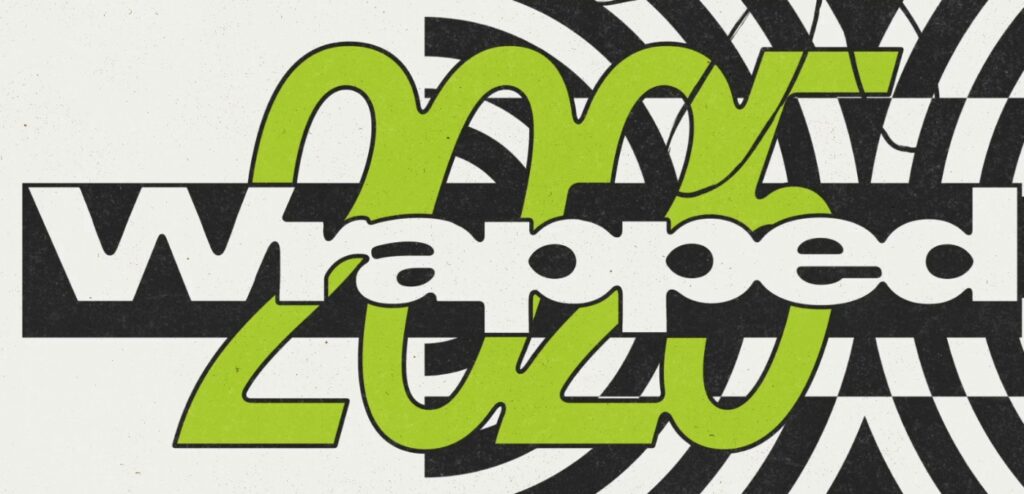
Every December, millions of people voluntarily post an advertisement for Spotify, thinking they’re posting about themselves.
Spotify Wrapped turns listening behavior into colorful personal statistics about favorite artists, songs, genres, and habits. Spotify supplies the design system, while listeners bring the data and personality — then handle the distribution themselves.
Nobody shares their annual Wrapped out of loyalty to a streaming platform. The appeal is seeing your own behavior reflected back at you, especially when it reveals that you apparently listened to the same breakup song 147 times.
Spotify’s 2020 award entry reported more than 90 million mobile users and over 50 million shares. A related Twitter topic trended for four days, while successive editions have won Webby awards for user experience, data visualization, and mobile experience.
Perhaps the best evidence of Wrapped’s influence is how many other brands decided their customers needed a year in review, too.
Food advertising has spent decades making burgers look more perfect than burgers have any reasonable right to look. In 2021, Burger King took a more surprising route.
Moldy Whopper documented a Whopper decomposing over 35 days to demonstrate the removal of artificial preservatives. By the end, the burger was spectacularly unfit for its close-up.
Burger King could have announced “now without artificial preservatives” in large friendly letters. Instead, the decay became the proof.
The advertiser-submitted case reported 8.4 billion impressions, $40 million in earned media value, a 26% improvement in perceptions of ingredient quality, and a 14% sales increase. The campaign won Cannes Lions Grands Prix in Outdoor and Print & Publishing.
Across 72 sports clips, athletes separated by sport, geography, race, gender, and physical ability appear to move as one. The split screen makes a swimmer flow into a runner, while limbs and movements align across footage that otherwise doesn’t belong together.
It gave a familiar advertising message — sport brings people together — a visual mechanism strong enough to carry it.
Editors reviewed thousands of pieces of footage and spent more than 1,000 hours compositing the film. It won the 2021 Emmy for Outstanding Commercial and the Cannes Lions Film Grand Prix.
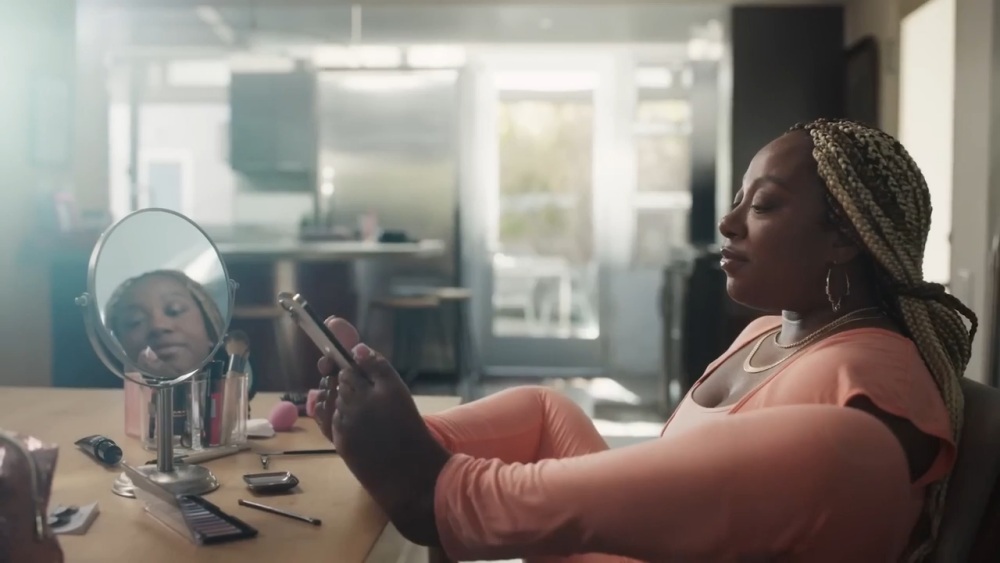
Seven disabled people work, parent, compete, make music, and navigate daily life with Apple technology in The Greatest. Members of the cast helped reshape the script around their experiences, while disabled crew members contributed behind the camera.
Rather than isolating accessibility features for demonstration, the film puts them to work in everyday life. The technology becomes easier to understand because viewers can see what someone is actually doing with it.
Apple’s One Show case study reported 16 million YouTube views in the first week, plus another 181,000 for the audio-described version. The film won the 2023 Emmy for Outstanding Commercial and the Cannes Entertainment for Music Grand Prix.
Anyone who travels internationally knows the immigration question: What’s the purpose of your visit?
British Airways found more than 500 answers.
A British Original turned that bureaucratic question into hundreds of outdoor executions and 32 short films. The answers changed by audience and context, while the question held the campaign together.
One person was visiting to fall in love. Someone else was escaping the weather. Others had business, family, curiosity, boredom, adventure, or some combination of all six.
The campaign’s One Show case study reported a 13-point increase in UK brand salience, an 11% increase in share of search, and a 66% reduction in “cost per look.” The campaign also won the 2023 Cannes Lions Outdoor Grand Prix.
Five hundred executions sounds like a lot of advertising, but one good question kept them all under control.
Media Shower’s AI marketing platform helps brands create memorable marketing moments. Click here for a free trial.