The Better Marketing Blog
Better tips, tools, and tactics for the AI era.
Better tips, tools, and tactics for the AI era.

The water is heavy, a bruised shade of charcoal that looks more like liquid lead than the Atlantic. You can hear it before you see it: a low-frequency thrum that vibrates in the marrow of your bones. Out there, past the break, the horizon is a moving wall.
The surfers aren’t moving. They’re suspended in that excruciating, breathless gap between the decision and the consequence. They’re waiting for the “big one,” the kind of wave that demands a reckoning.
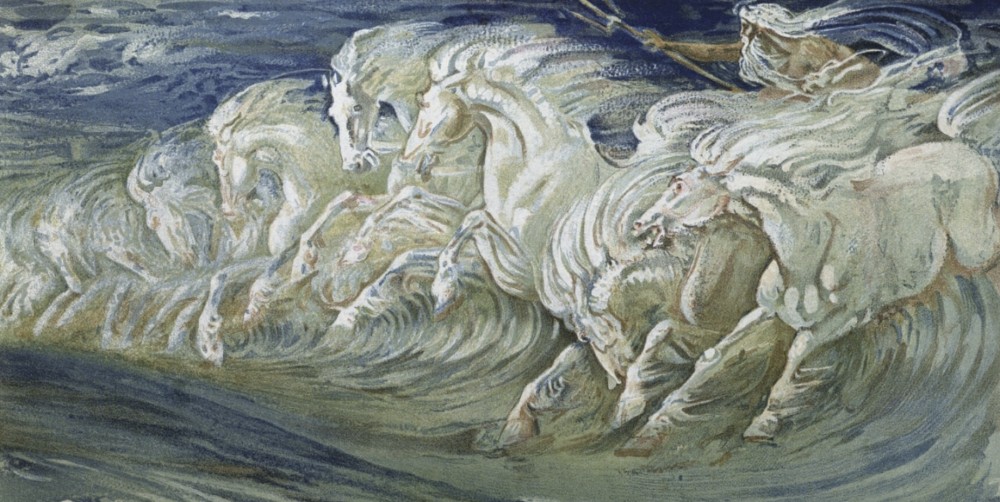
When it finally arrives, it brings the white horses—crashing, ethereal stallions charging through the surf, manes of foam flying. It’s violent, beautiful, and terrifyingly slow. The tension is so thick it feels tactile, a physical weight pressing against the screen.
In this moment, you realize what the ad is really about: a beloved beer brand.
Surfer has earned its place in advertising mythology as a cinematic argument for the soul of a brand.
Before Surfer, people knew Guinness the brand and its stout. Its heritage carried weight. The harp logo was familiar across continents, etched into pubs, posters, and memory.
Guinness stood for seriousness and tradition, qualities few brands can claim without effort. Respect came easily.
But Guinness had an “intelligence” problem. Their ads were brilliant, dry, and widely admired, but they didn’t change how people felt. The brand was easy to respect but hard to love.
This created a massive disconnect. Being famous isn’t the same as being liked, and recognition doesn’t buy you loyalty. As the culture moved toward gut-level storytelling, Guinness started to feel like a cold intellectual in a room full of people looking for a connection.
Guinness realized that it needed to keep its edge but lose the ego. The goal was to stop pitching the brand’s logic and start making the “wait” feel like a shared, visceral experience.
In 1999, Guinness hired the London agency AMV BBDO to create Surfer. The black-and-white epic would eventually be voted the best commercial of all time.
At its core, the ad was a visceral metaphor for the 119.5 seconds it takes to pour the perfect pint. The campaign sold the idea that patience is a superpower.
Guinness took a big chance by making viewers wait 80 seconds for the payoff. While most brands try to de-emphasize their flaws, Guinness doubled down on theirs.
Here’s how they did it.
In one of the greatest ironies in advertising history, Surfer failed its initial focus group testing. Viewers found it confusing and strange.
Guinness executives ignored the data, trusted their gut, and released it anyway on St. Patrick’s Day 1999. It became a cultural landmark overnight.
Guinness had what many saw as a functional flaw: It takes time to pour a pint properly. Many brands would treat this as a target for optimization, but Guinness embraced the slow pour as a symbol of serious craft.
Making of Guinness Surfer
Waiting became proof of quality. It separated casual interest from enduring belief. That filter invited commitment.
When you slow down the consumer before payoff, you change the kind of engagement they bring. The ad made the audience feel anticipation and tension. It invited people into a world rather than pushing attributes.
That shift gave the campaign staying power. It is rare for advertising to be remembered as storytelling rather than slogan. The slow pour became evidence of seriousness, and the consumers who waited became part of the narrative.
Guinness Extra Cold: A humorous twist on the original
Surfer is widely considered one of the most successful advertisements in history. While it famously “failed” its initial focus group testing, its real-world performance redefined the brand’s trajectory.
Surfer propelled Guinness to become the #1 draft beer in the UK and drove enough extra sales to fill an Olympic-sized swimming pool every month during its run.
The ad successfully pivoted the brand from a “stale” drink for older men to a premium, high-status choice for younger consumers.
Surfer won the Gold Lion at Cannes, multiple D&AD Yellow Pencils, and was voted the “Best Ad of All Time” by Channel 4 and The Sunday Times.
Maintained growth even during a general decline in the UK beer market, with sales increasing by 3% years after the initial launch due to the “Good things come to those who wait” positioning.
After Surfer, Guinness leaned into the themes of endurance, patience, and reward. Later spots like Dreamer and Bet on Black hammered home those same ideas.
These campaigns mirrored the visual style and philosophical grit of the original and expanded the brand world Guinness had already established.
Today, when audience attention spans are notoriously short, the Surfer approach feels like a radical act of defiance. By refusing to rush the narrative, Guinness asked more of its audience than other beer brands.
Rather than apologizing for the now-famous 119-second pour or trying to “smooth out” the wait, Guinness assigned that delay a mythic purpose. By the time the pint finally settles on the screen, the friction of the wait has transformed into a signal of absolute dedication.
Instead of viewing the wait as a bug, Guinness turned the agonizing two-minute pour into a mark of serious craft where the obstacle was the whole point.
Media Shower’s AI platform helps brands turn moments of effort and anticipation into meaning that people remember. Click here for a free trial.