For brands that want to stand out, generic stock images aren’t enough anymore.
With the rise of AI tools like Nano Banana and ChatGPT 5.2, marketers need to learn how to prompt well. Rather than giving direction to an art director, marketers need to learn the visual vocabulary to explain their vision to AI tools.
This guide is a practical visual vocabulary, with the sample AI prompts that you can use to replicate results like our examples below.
1. Modern Flat: Clarity and Explanation
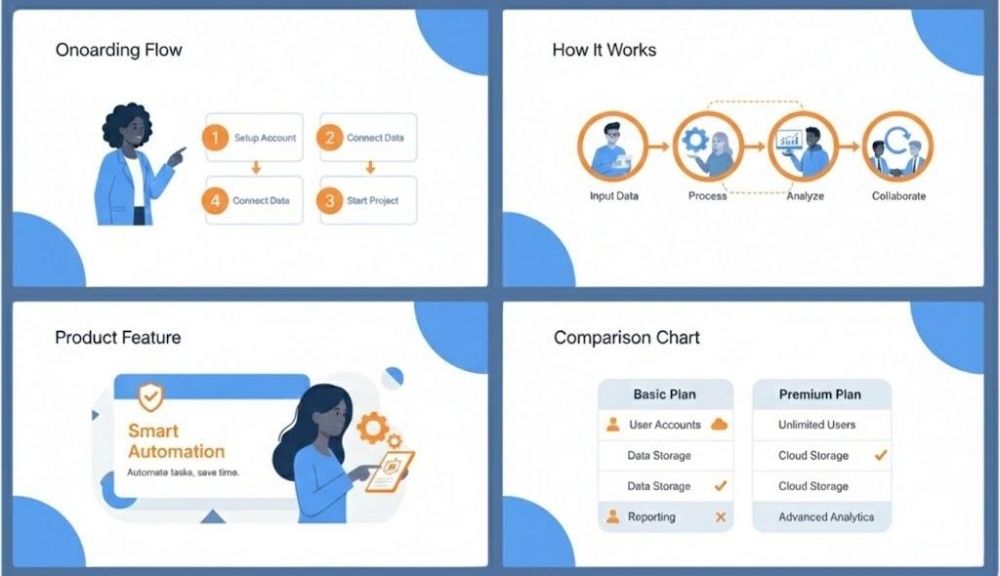
Modern flat relies on clean 2D illustration, simple geometry, limited color palettes, and generous white space. It prioritizes legibility over realism and removes visual noise.
This style signals clarity, approachability, and ease of use. It works well for onboarding, “how it works” sections, feature education, and any moment where comprehension matters more than emotion.
Sample prompt: “Flat vector illustration for a [SaaS / ecommerce / consumer] brand, diverse team collaborating around a simple dashboard, limited [brand color] palette, no gradients, lots of white space, clean sans‑serif labels.”
2. Isometric 3D: Systems and Scale
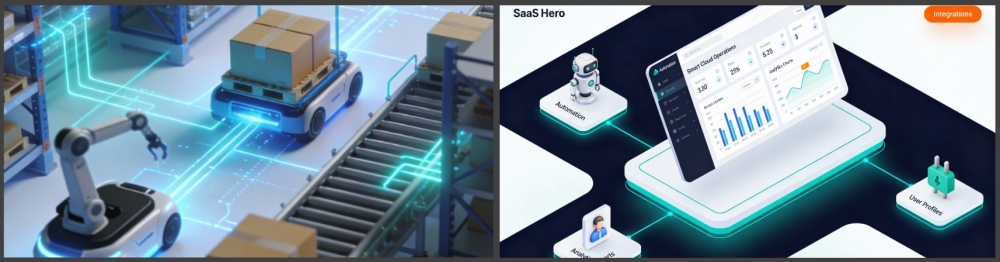
Isometric 3D presents environments and platforms from a fixed angle, making complex systems easier to understand at a glance.
This style signals structure, scale, and operational sophistication. It is well suited to platform overviews, infrastructure narratives, logistics, and enterprise technology.
Sample Prompt: “Isometric 3D ecosystem view of a smart [warehouse / data center / port], high precision, glowing data lines connecting key elements, soft ambient lighting, clean white or slate background, professional tech aesthetic.”
3. Claymorphism: Approachability and Ease
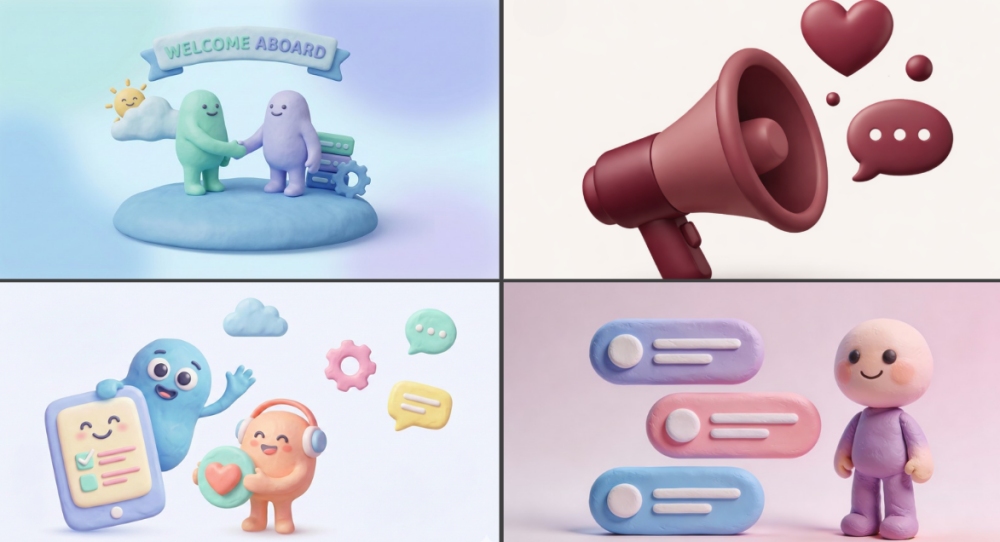
Claymorphism uses soft, rounded 3D forms with smooth textures and gentle lighting. The result feels tactile and friendly.
This style lowers perceived complexity and is commonly used for onboarding flows, no-code tools, and early-stage products that want to feel unintimidating.
Sample Prompt: “Claymorphism 3D illustration for a friendly [software / consumer] brand, soft rounded shapes and characters, pastel [brand colors], smooth plasticine texture, clean background, approachable and fun.”
4. Glassmorphism: Premium and Polish

Glassmorphism relies on translucent panels, background blur, and subtle depth to create a layered interface aesthetic.
It signals modernity and premium positioning, making it popular in fintech, cybersecurity, analytics, and high-end SaaS products. Used sparingly, it elevates perceived value.
Sample Prompt: “Glassmorphism UI hero for a [fintech / subscription] brand, frosted glass cards with background blur, glowing accent color, dark or gradient backdrop, minimal but premium layout.”
5. Editorial Noir: Authority and Leadership
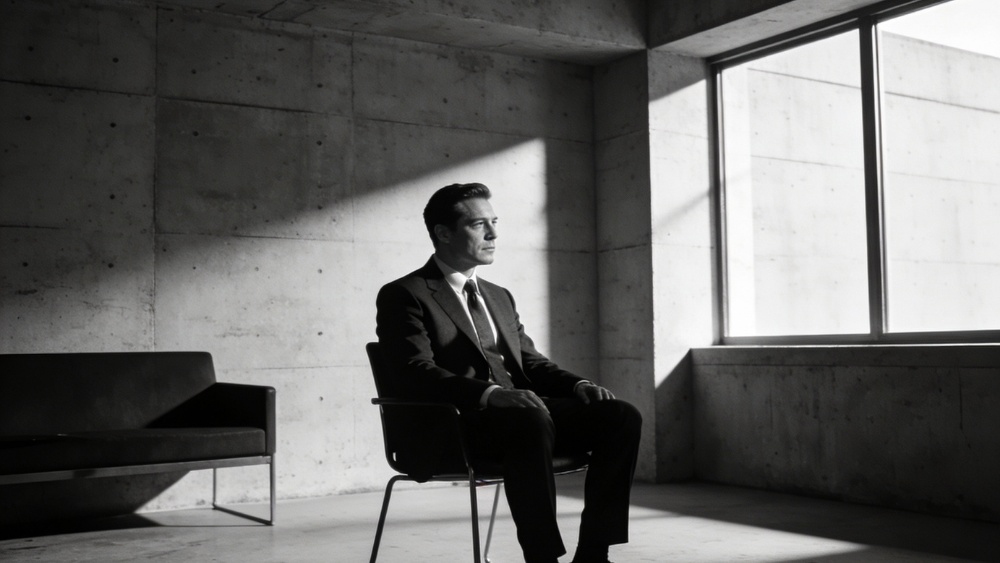
Editorial Noir draws from cinematic photography, using high contrast, controlled lighting, and subtle film grain.
This style communicates authority and credibility. It is commonly used for executive profiles, thought leadership, annual reports, and high-stakes brand moments.
Sample Prompt: “Editorial noir portrait of a business leader in a minimal concrete office, dramatic side lighting, deep shadows, subtle 35mm film grain, sophisticated and authoritative mood.”
6. Authentic Human: Trust and Credibility
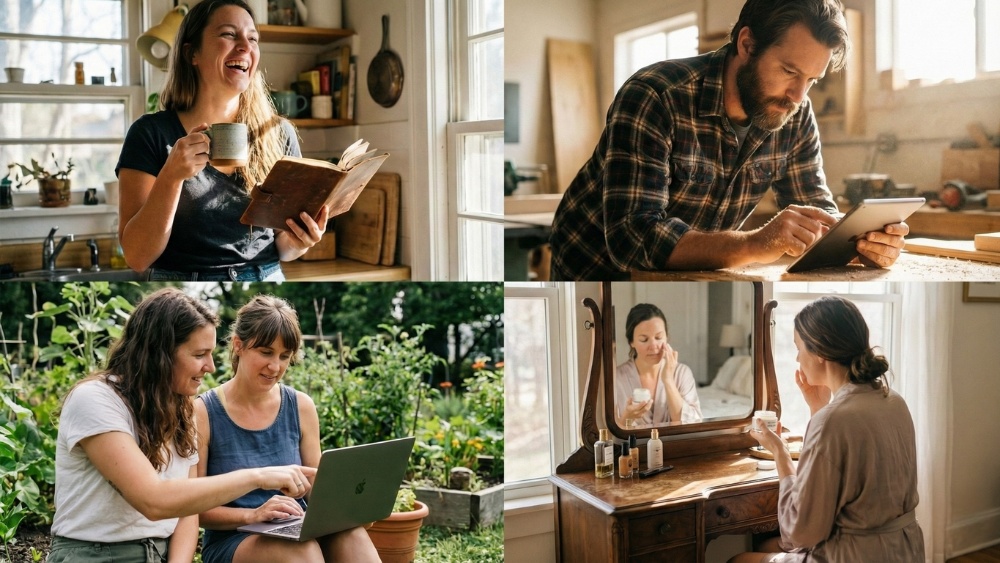
Authentic Human imagery focuses on candid, documentary-style photography of real people in real environments.
It signals transparency and trust, making it effective for customer stories, recruiting, culture pages, and community-driven content.
Sample Prompt: “Authentic candid photo of real [customers / team members] using [product] in natural light, shallow depth of field, slightly imperfect and documentary, no one looking at the camera, zero stock‑photo stiffness.”
7. Neo-Brutalism: Disruption and Confidence
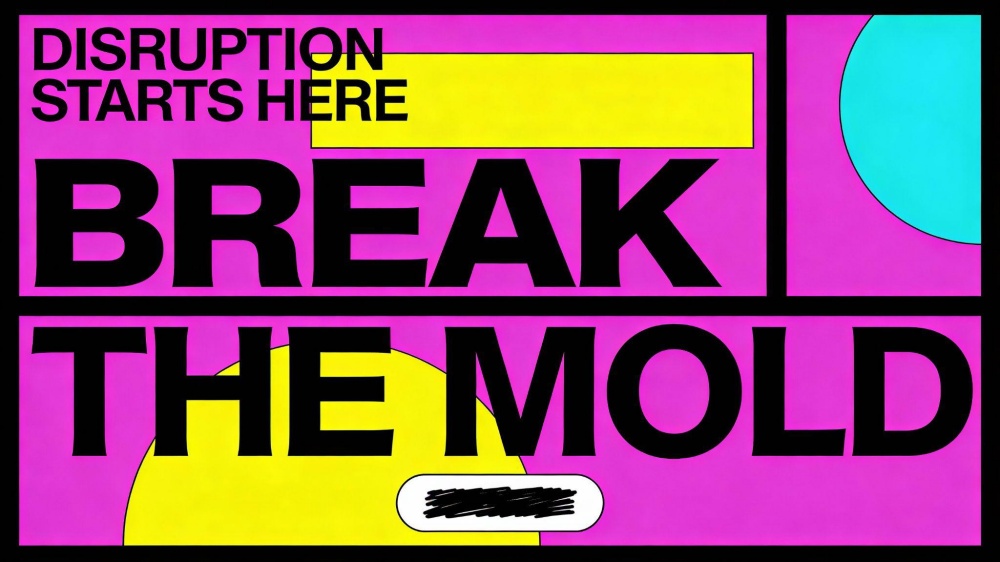
Neo-Brutalism embraces bold color, heavy borders, oversized typography, and intentionally raw layouts.
It signals confidence and challenger energy. This style is often used by developer tools, AI startups, and brands competing in crowded or conservative categories.
Sample Prompt: “Neo‑brutalist hero for a disruptive [software / consumer] brand, bold primary colors, thick black borders around sections, oversized headline in heavy sans‑serif, high contrast and raw layout.”
8. Abstract AI 3D: Innovation Without Literalism
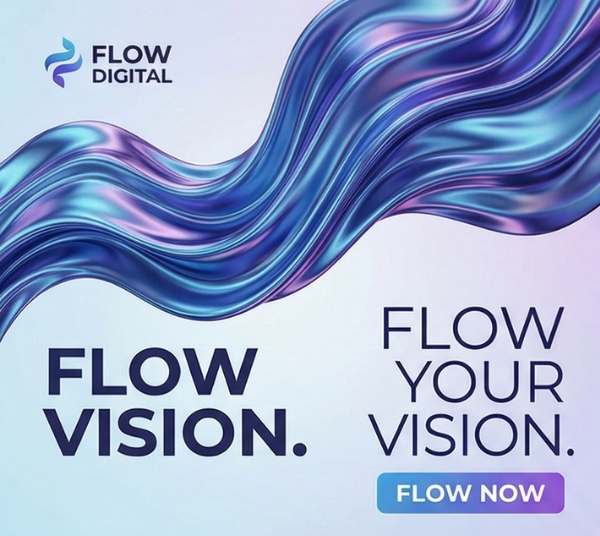
Abstract AI 3D uses metallic or fluid forms to suggest intelligence and complexity without relying on obvious symbols.
It signals innovation and future orientation and is commonly used in AI, analytics, and automation narratives where the concept matters more than the mechanism.
Sample prompt: “An abstract 3D render representing artificial intelligence. Evolving obsidian shapes with glowing iridescent liquid flowing through them. High-detail metallic textures, dark cinematic environment. Professional and mysterious.”
9. Heritage Retro: Stability and Continuity
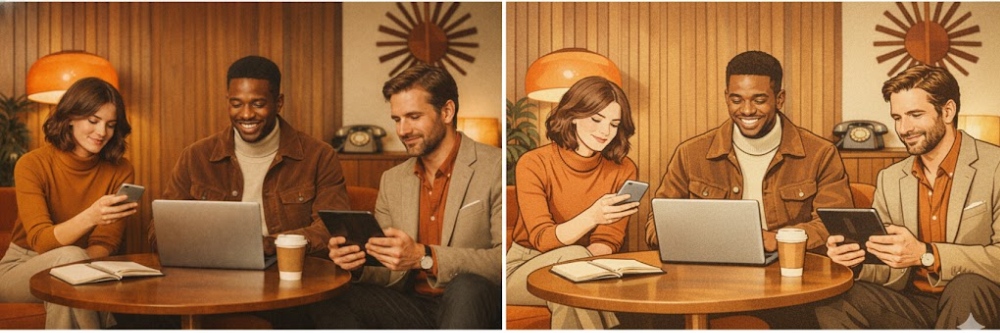
Heritage Retro combines warm film tones and analog textures with modern subjects and devices.
It signals longevity and trust, making it effective for legacy brands, rebrands, and campaigns that emphasize continuity without feeling outdated.
10. Data-First
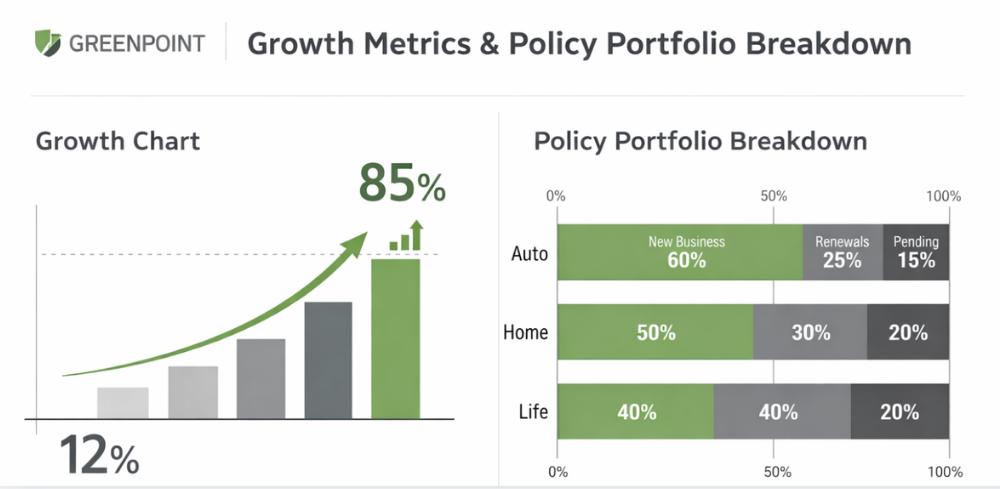
Data-first images (aka infographics) use charts, grids, and restrained geometry to communicate meaning at a glance, with numbers rendered cleanly and proportionally.
This style signals credibility and rigor. It is most effective in analytics, finance, operations, and executive communications where trust and comprehension matter more than personality.
Sample prompt: “A clean, data-first infographic in a 16:9 layout. Minimalist growth chart with accurate percentages displayed clearly. Professional sans-serif typography, precise grid alignment, generous white space. Corporate green and neutral gray palette. Flat, geometric shapes with mathematical precision. Executive-ready, analytical, and understated.”
Other Styles to Try (With Sample Prompts)
The styles we’ve explored so far are a marketer’s daily workhorses. This section contains niche styles that are trending in AI art right now. Use these when you need to break your own mold for a specific campaign, launch a sub-brand, or target a very specific psychographic.
11. Cyberpunk: High-tech immersion
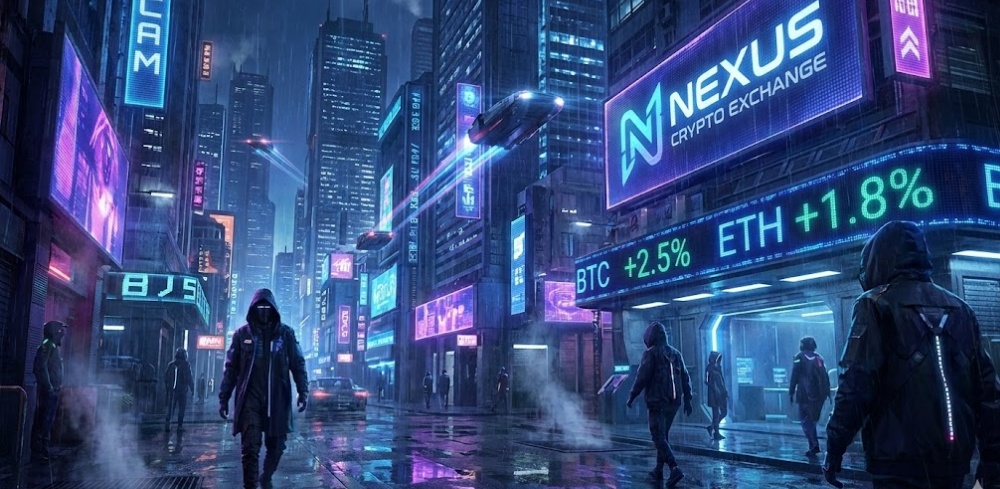
Cyberpunk relies on high-contrast, nighttime cityscapes drenched in neon pinks and blues. It features advanced technology, rain-slicked streets, and a “high tech, low life” atmosphere.
This style signals edge, technical sophistication, and immersive energy. It is best suited for gaming, cryptocurrency, Web3, and cybersecurity brands targeting night-owl or digital-native demographics.
Sample Prompt: “Cyberpunk nighttime cityscape, high-contrast neon pink and blue lighting, rain-slicked streets reflecting futuristic signage, advanced technology integrated into a gritty environment, cinematic atmosphere, 8k resolution.”
Mixed Media Collage: The Gen Z Scrapbook
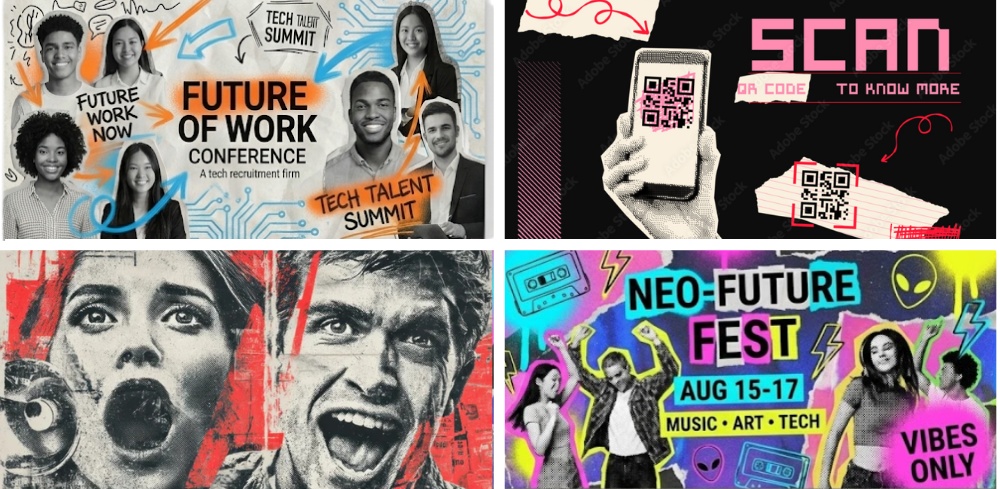
Mixed media collage uses a textured, energetic approach that mimics analog cut-and-paste techniques. It combines torn photo elements, halftone dot patterns, hand-drawn scribbles, and layered typography into a chaotic but cohesive whole.
This style signals creativity, non-conformity, and raw authenticity. It works well for youth-focused DTC brands, festival or event marketing, streetwear, and brands that want to project an “anti-corporate” persona.
Sample Prompt: “Mixed media collage for a [fashion / music] brand, layered torn magazine textures, halftone dot patterns, hand-drawn neon scribbles, vintage photography cutouts, high-energy and chaotic but balanced composition.”
Solarpunk: Ecological innovation
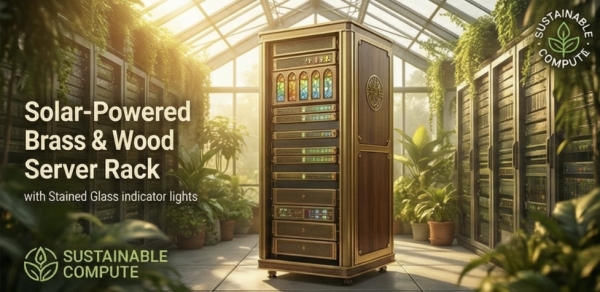
Solarpunk presents a bright, optimistic vision where high technology coexists harmoniously with nature. It features Art Nouveau-inspired architecture integrated with greenery, solar panels designed to look like stained glass, and warm, natural sunlight.
This style signals sustainability, hope, and a positive future orientation. It is highly effective for green energy companies, ESG reports, and organic products looking for a futuristic rather than rustic aesthetic.
Sample Prompt: “Solarpunk architectural view, futuristic buildings integrated with lush greenery and hanging gardens, stained glass solar panels, warm golden hour sunlight, optimistic and peaceful atmosphere, high detail.”
Elegant Line Art: Structural clarity
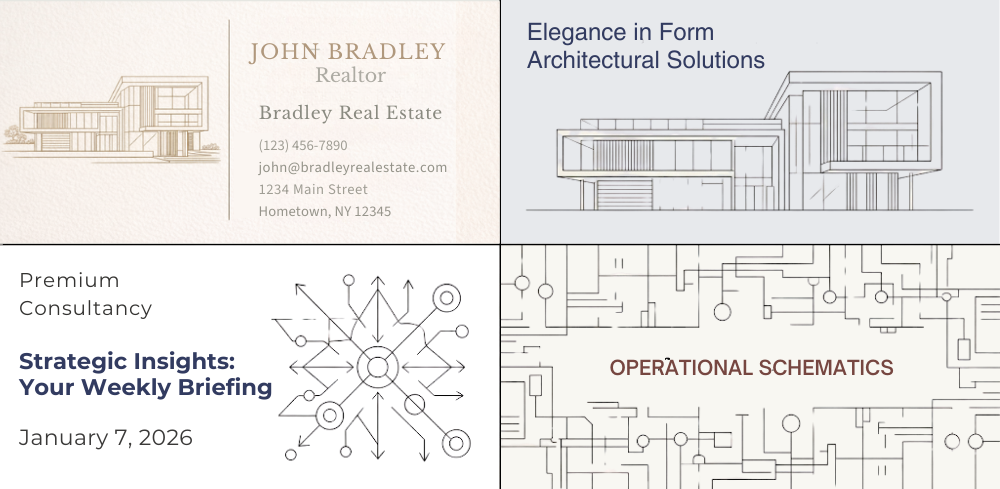
Elegant line art relies on minimalist illustrations using thin, precise lines, often in a single color against a plain background. It mimics the look of a sophisticated blueprint or a technical schematic.
This style signals precision, intellect, and organizational authority. It is best suited for high-end architecture, real estate, complex B2B system diagrams where clarity is paramount, and premium consultancies.
Sample Prompt: “Elegant monoline art of a [modern building / complex network], thin precise black lines on a clean off-white background, minimalist architectural style, sophisticated and technical schematic aesthetic.”
Building Mood Boards (With Sample Prompts)
After you’ve learned how to prompt AI to build various visual styles, you’ll want to move onto the mood board: a collage of examples that give your team the “mood” that you’re going for.
Below are four mood board archetypes that combine our styles into cohesive campaign kits.
Mood board example 1: The thought leader
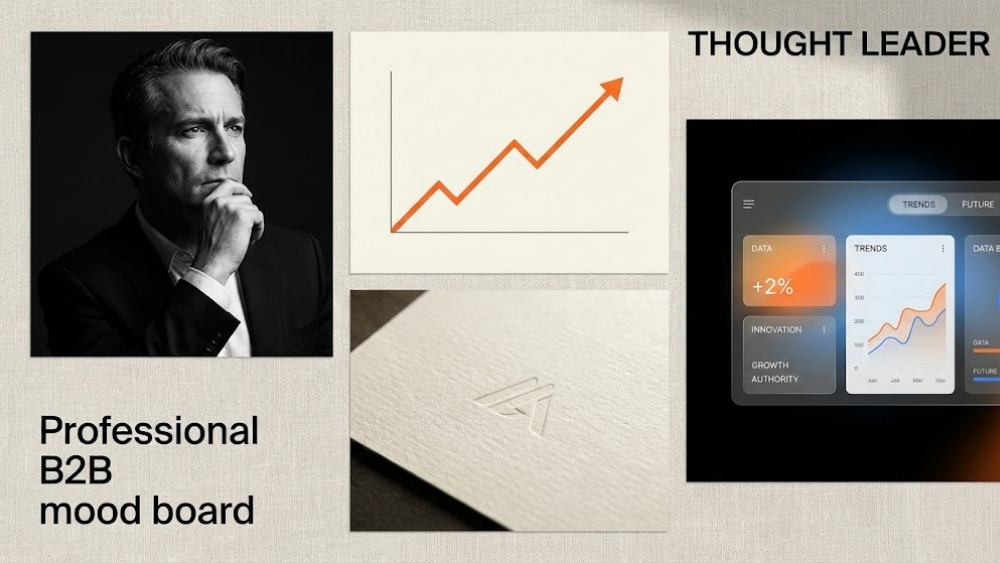
The master prompt. “A professional B2B mood board for a ‘Thought Leader’ brand. A collage including: 1. A dramatic high-contrast portrait of an executive. 2. A clean minimalist line graph with an orange growth line. 3. A macro shot of premium textured paper. 4. A sleek glassmorphism dashboard panel. High-end editorial aesthetic.”
Mood board example 2: The friendly disruptor
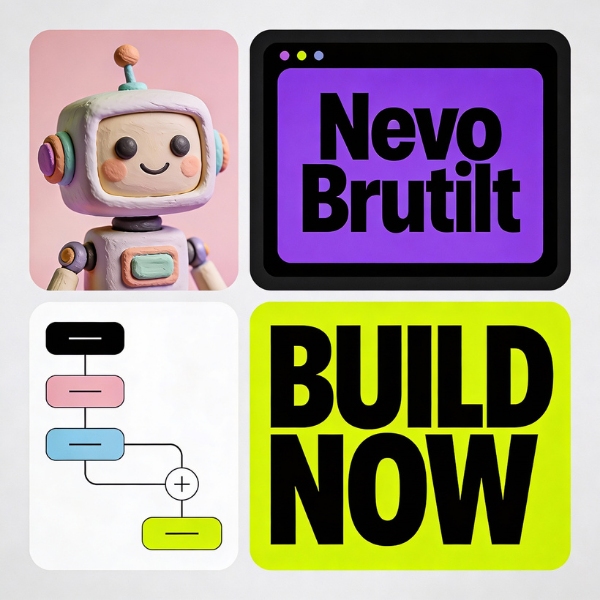
The master prompt. “A vibrant B2B mood board for a tech startup. Features: 1. A 3D claymorphism smiling robot icon. 2. A bold neo-brutalism web header with thick black borders and purple background. 3. The text ‘BUILD NOW’ in a heavy black font. High-energy, tactile, clashing modern colors.”
Mood board example 3: The infrastructure giant

The master prompt. “A professional B2B mood board for an ‘Infrastructure Giant’ brand. Features: 1. A high-precision isometric view of a smart shipping port. 2. A frosted glass UI card rendering the text ‘SYSTEM STATUS: OPTIMIZED’. 3. Abstract 3D obsidian fluid with iridescent blue highlights. Cold blue and steel palette.”
Mood board example 4: The human-centric partner
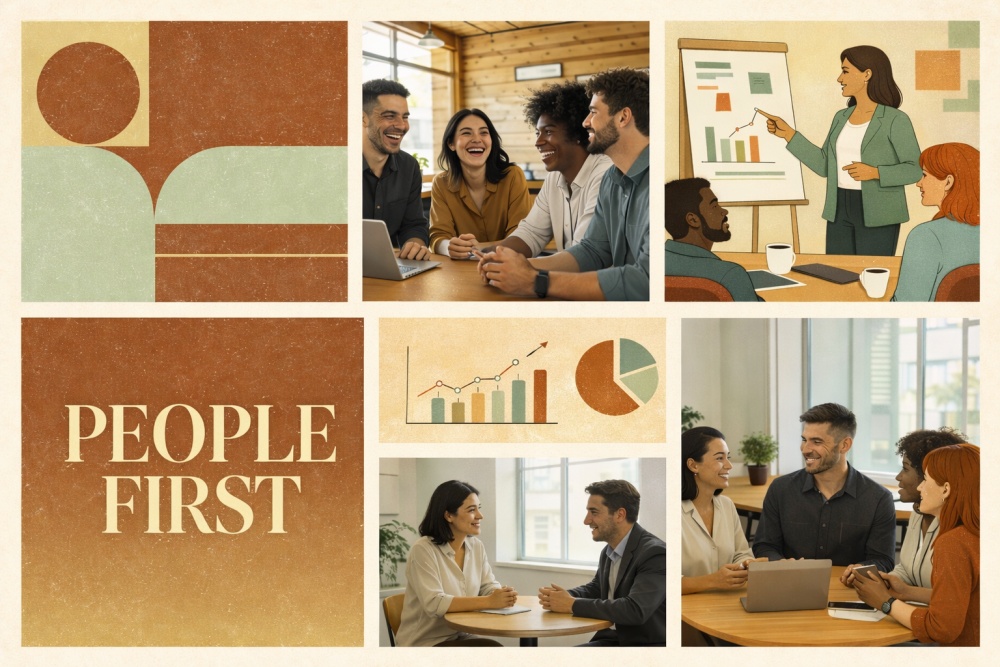
The master prompt. “A professional B2B mood board for a ‘Human-Centric’ partner brand. Features: 1. A candid photo of a diverse team laughing in a sunlit wooden office. 2. A modern retro graphic with a warm 70s muted palette. 3. The text ‘PEOPLE FIRST’ in a soft serif font. Organic textures, warm and trustworthy aesthetic.”
Marketer Takeaways
- Visuals shape perception faster than words.
- AI tools can generate visuals much faster than humans.
- Still, professional designers are needed for creativity and polish: separating the good and the bad.
- The best marketing teams have a mix of AI tools plus trained designers to do marketing work faster, cheaper, and better.
Media Shower’s AI marketing platform helps brands bring their visuals to life. Click here for a free trial.