The Better Marketing Blog
Better tips, tools, and tactics for the AI era.
Better tips, tools, and tactics for the AI era.
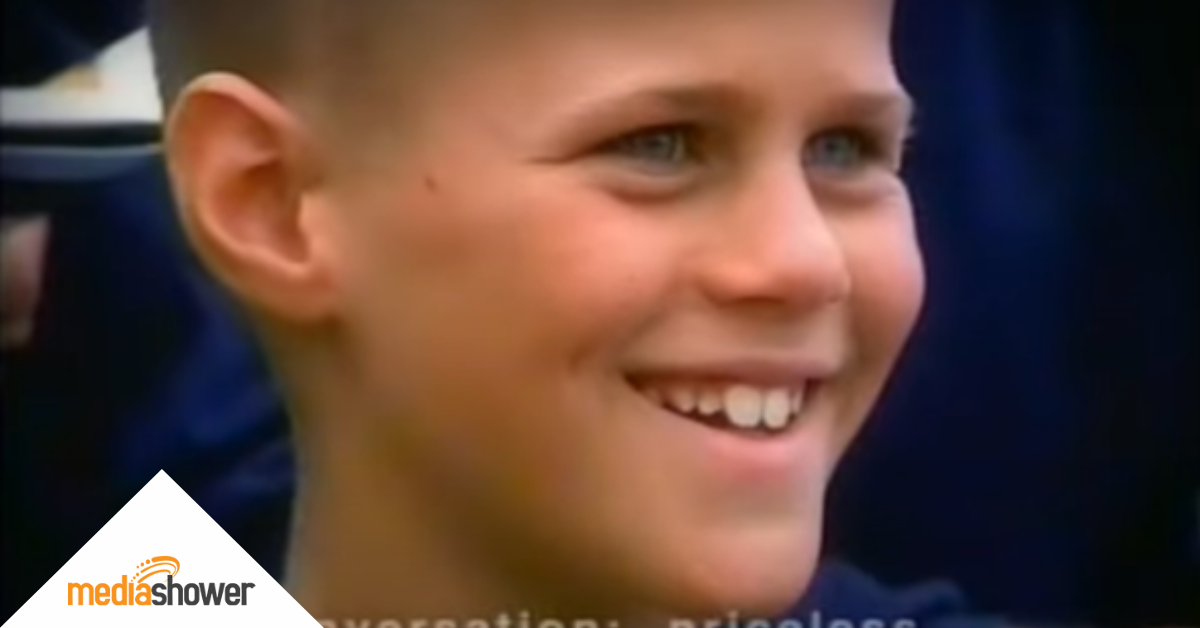
A father, a son, and a baseball game became advertising immortality.
It started with a simple formula: the price of three items, followed by a moment that money can’t buy. Mastercard’s “Priceless” campaign captured hearts while rewriting the playbook for brand storytelling.
From its iconic debut in 1997, the campaign transcended traditional advertising, becoming a cultural touchstone and a case study in how emotional resonance builds brand loyalty.
To understand why “Priceless” mattered, you need to know what Mastercard was up against.
By the mid-1990s, Mastercard was on the ropes. Market share was slipping, the messaging was muddled, and consumer confidence was fading. With three failed campaigns in just five years, the company needed a radical reset.
That reset came through a collaboration with McCann-Erickson, where creative director Joyce King Thomas and her team unearthed a core truth: People use credit cards to enrich meaningful moments with others.
This led to a strategic pivot. Mastercard shifted from transactional messaging like “accepted everywhere” to emotional storytelling.
The campaign that would become “Priceless” almost didn’t happen. Initial testing showed that a different concept performed better. But leadership took a calculated risk, and it paid off.
“Almost immediately after the first spot ran … people started creating their own priceless posters and emails and films. It was a meme before there were memes!” – Joyce King Thomas, Joyce King Thomas, Chief Creative Officer, McCann Erickson
The first ad set the tone: a father and son at a ballpark. The cost of hot dogs, programs, and tickets gave way to the line that became brand cannon: “There are some things money can’t buy. For everything else, there’s Mastercard.”
That single ad reframed the entire brand. Mastercard shifted its focus from purchases to the moments behind them.
The campaign quickly scaled worldwide. “Priceless” ran in over 100 countries and dozens of languages, proving that emotional truth carries across borders.
Mastercard didn’t just show up on TV. “Priceless” was everywhere—print, radio, digital, even out-of-home. If you were commuting or channel-surfing in the early 2000s, Mastercard was nearby, delivering a gentle emotional gut punch.
Then the campaign expanded. Mastercard launched Priceless.com and began hosting exclusive events under the “Priceless Experiences” banner. The idea moved from messaging to lived brand interaction.
Later, Mastercard invited consumers to help shape the story. Programs like “Start Something Priceless” asked real people to share their own moments, turning the campaign into something participatory.
It started at a ball park and ended up everywhere.
The core idea—money isn’t the goal, meaningful experiences are—was simple, relatable, and easy to localize.
The “three prices, one feeling” format was consistent enough to build recognition, flexible enough to stay fresh.
The structure was elegant, and its emotional clarity struck a universal chord.
Priceless.com, “Priceless Cities,” and Priceless Causes took the message off the screen and into people’s lives. Experiential marketing became the next chapter of the campaign.
While many brands chased new angles, Mastercard stayed focused. The campaign remained a strategic anchor through leadership changes, market shifts, and tech disruption.
Mastercard extended “Priceless” beyond visuals—adding sonic branding, fragrances, and a texturally distinct Touch Card for accessibility. These extensions kept the brand modern while reinforcing its emotional core.
The word “priceless” became part of everyday language. Parodies on shows like SNL and The Simpsons reinforced the brand by playing with it.
“Priceless” reversed Mastercard’s decline and repositioned it as a brand centered on meaning and lifestyle, not just payment processing. It became one of the most globally recognized campaigns, with over 80% brand awareness.
It racked up awards from Cannes Lions to Clios to Effies. It cemented Mastercard’s place in Interbrand’s Top 100 global brands and became one of the few campaigns that still defines a company’s voice more than two decades later.
It also became a pop culture artifact, long before “going viral” was a marketing goal. The phrase outlived the ads.
“Priceless” rescued the Mastercard brand while redefining what a brand campaign can do.

Media Shower’s AI marketing platform helps brands create their own priceless moments. Click here for a free trial.
Start your free Media Shower trial and get personalized insights on your SEO, competitors, AI visibility, and what to do next.