The Better Marketing Blog
Better tips, tools, and tactics for the AI era.
Better tips, tools, and tactics for the AI era.
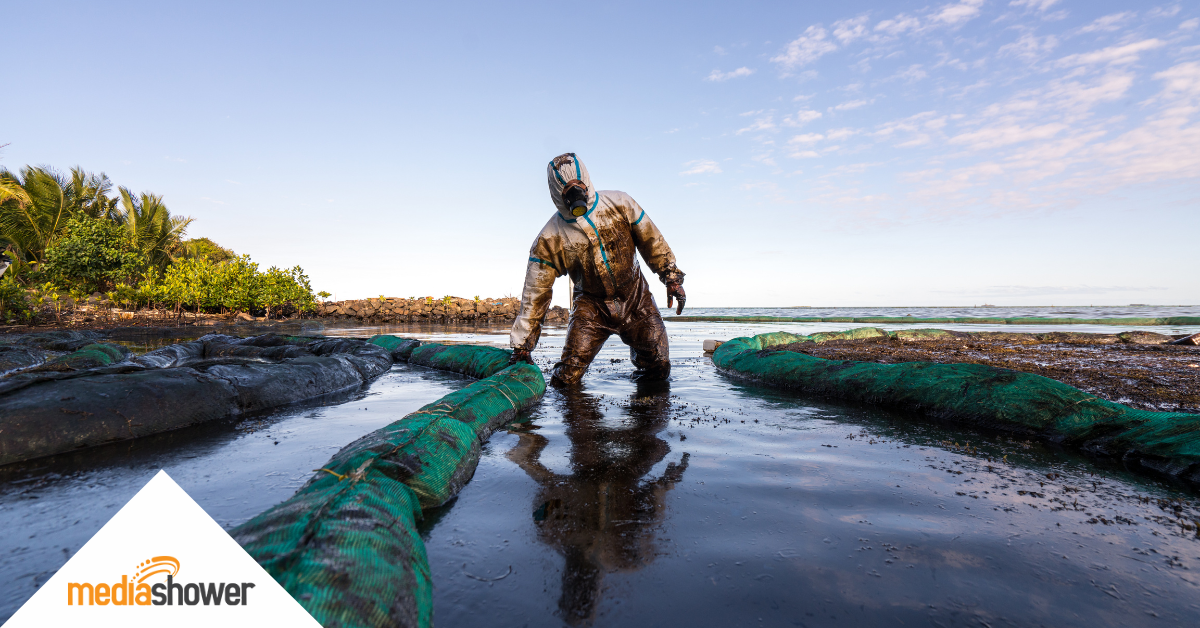
When news crews arrived at the Gulf Coast in 2010 to film oil-covered pelicans, they caught something else on camera: volunteer after volunteer washing birds with Dawn dish soap. The blue bottles weren’t props or product placement. They were just there, doing what they’d been doing at wildlife rescues since the 1970s.
While other brands might have rushed to capitalize on the visibility, Dawn did something radical: absolutely nothing. No emergency ad campaigns or PR blitzes or corporate spokespeople in branded windbreakers. The company let its product work and its partners speak.
What happened next redefined crisis marketing—by refusing to market at all.
Dawn hit grocery shelves in the 1970s with a promise that sounds almost quaint today: “Tough on grease, gentle on hands.” Procter & Gamble had created a workhorse product for American kitchens.
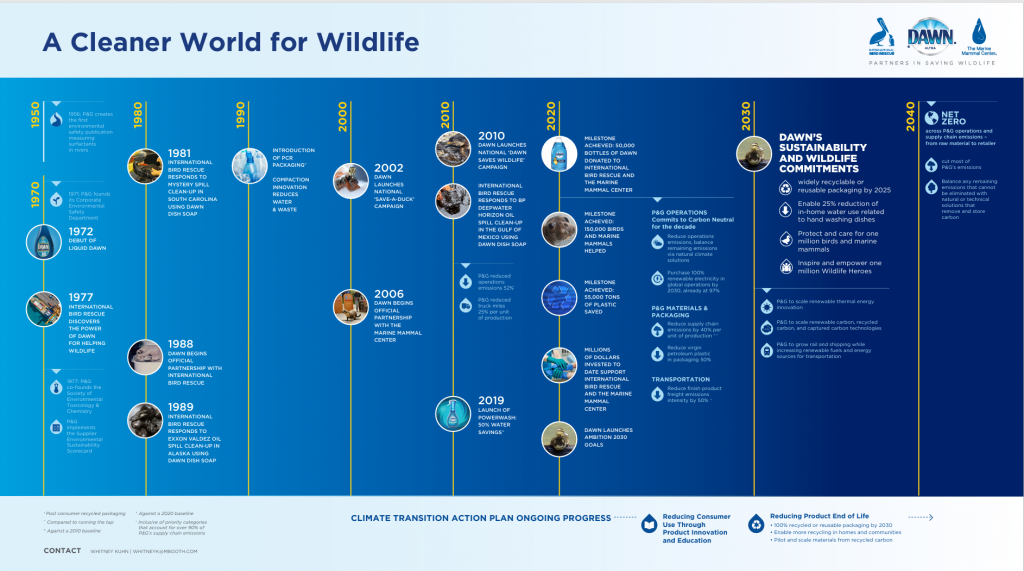
But after the Exxon Valdez oil spill in 1989, wildlife rescuers had discovered something else about the blue liquid—it worked magic on oiled feathers.
Long before anyone thought about brand purpose or cause marketing, veterinarians at places like International Bird Rescue and The Marine Mammal Center kept cases of Dawn in their supply closets.
Source: Business Wire
The soap stripped petroleum from delicate feathers without damaging the natural oils birds need to stay waterproof and warm. This was never a marketing angle; it was simply what worked.
For nearly 30 years,, P&G has quietly supported these efforts, shipping thousands of bottles to rescue organizations. There were no press releases or ops, just soap where it was needed most.
When BP’s Deepwater Horizon rig exploded in April 2010, spilling millions of barrels of oil into the Gulf, Dawn’s moment arrived—though the brand never asked for it.
News crews filming rescue operations caught something viewers couldn’t miss: volunteer after volunteer washing birds with that familiar blue soap.
Here’s what made this moment marketing gold: Dawn did absolutely nothing to manufacture it.
The brand resisted every impulse to capitalize on the tragedy. News crews filmed volunteers washing birds—the same process wildlife organizations had been using for decades.
The footage showed wildlife rescue in all its exhausting detail. Volunteers worked in shifts, carefully washing each bird multiple times. Viewers saw the water in the wash basins turn murky black. They watched as pelicans sat still in human hands, too weak to struggle.
Dawn bottles appeared throughout the rescue stations because that’s what these organizations stocked. The soap had been their go-to solution for removing petroleum from feathers long before any cameras showed up.
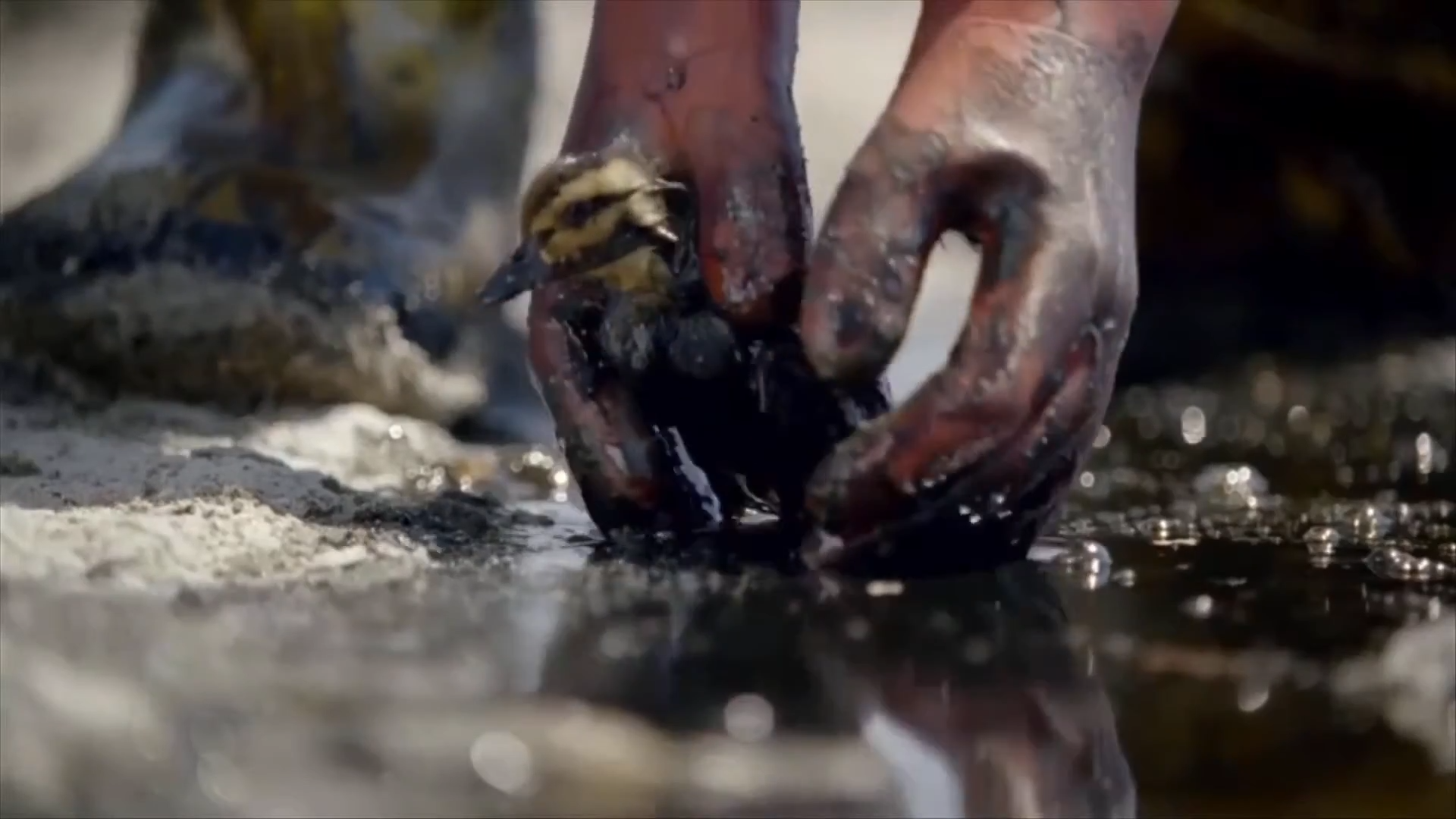
In an era of manufactured viral moments, Dawn’s approach felt revolutionary in its restraint. The brand understood something crucial: Sometimes the best marketing move is to step back and let reality do the talking.
Four factors made this campaign resonate:
Dawn’s strategy flipped traditional crisis marketing on its head. Instead of rushing to control the narrative, they let others tell their story. This approach created something more valuable than any ad campaign: genuine public trust.
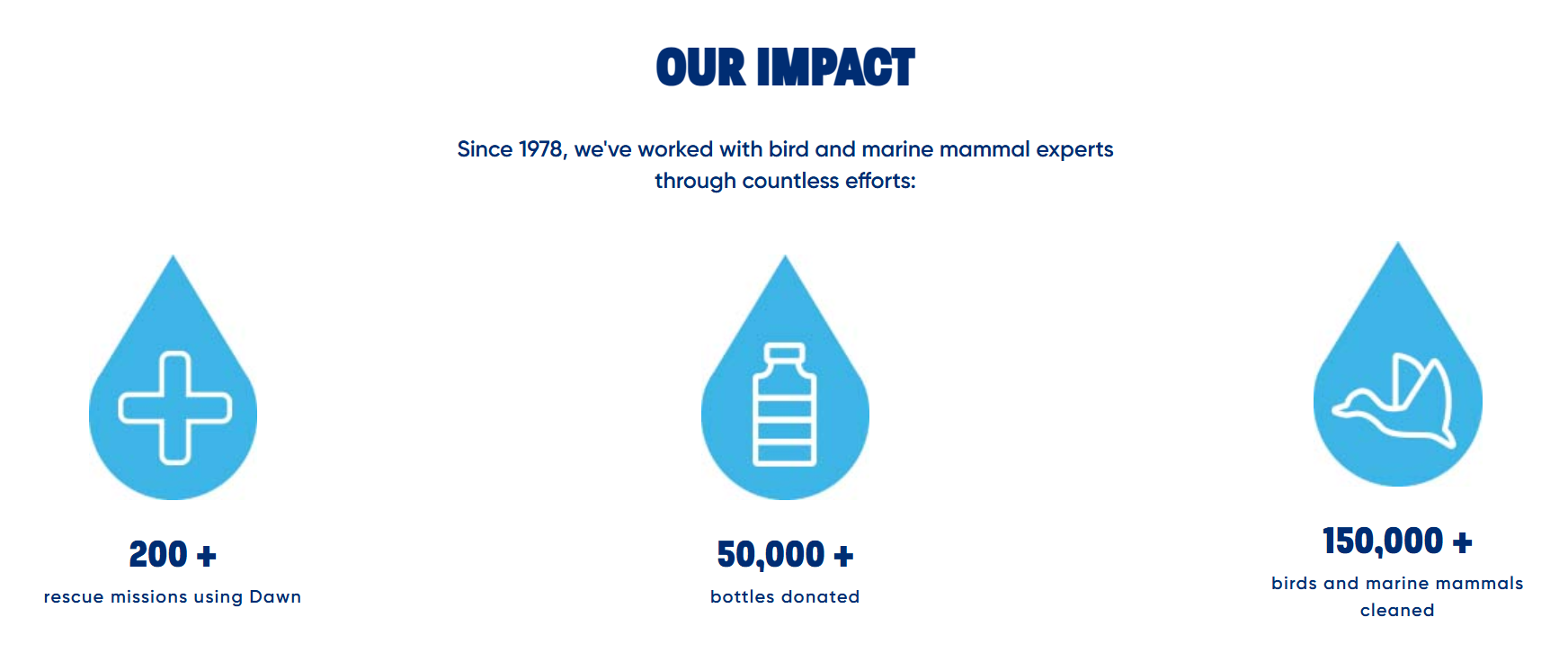
Source: Dawn
Here’s why the campaign was so effective.
Dawn appeared in news coverage because it was news, not because someone paid for placement. Every appearance felt organic and necessary.
Rather than traditional advertising, Dawn created programs where customers could support wildlife rescue with every purchase. Action over advertising.
Ad announcing $1M donation
Classroom programs taught students about marine ecosystems and conservation. Dawn positioned itself as a teacher, not a seller.
Wildlife experts and marine biologists became Dawn’s most credible spokespeople—without being asked. Their testimonials carried weight no celebrity endorsement could match.
Dawn’s restrained response delivered results that traditional campaigns rarely achieve. By choosing authenticity over opportunism, the brand transformed from dish soap to symbol.
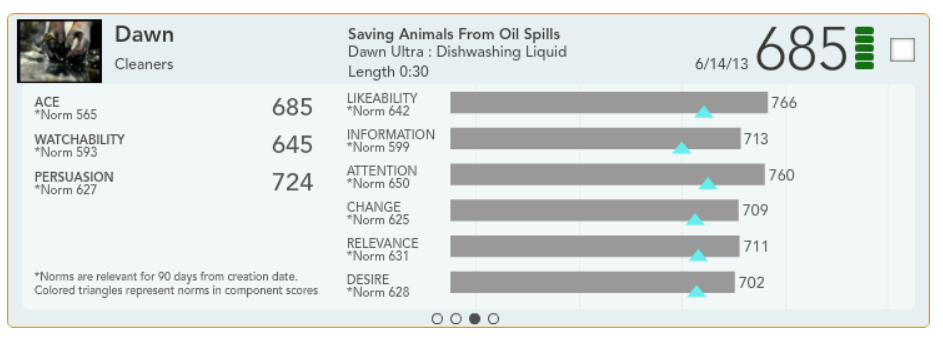
Source: Ace Metrix
The numbers tell part of the story.
Consumer surveys showed dramatic increases in positive sentiment toward Dawn across every demographic. People didn’t just like the product—they respected the brand.
The campaign earned recognition for corporate responsibility and authentic storytelling, including ranking #6 among Most Effective Ads in Q2 2010 by Ace Metrix—despite minimal traditional advertising.
More than a decade later, Dawn remains synonymous with wildlife rescue. Saving wildlife is very much a part of Dawn’s branding today, but the messaging is still gentle.
The brand has earned a permanent place in America’s conscience—as well as their cupboards.
Dawn’s Gulf Coast moment offers lessons that transcend industry or crisis. The brand showed that sometimes the most powerful marketing happens when you stop trying to market.
Consider these principles for your own brand.
Media Shower’s AI marketing platform helps you create campaigns that clean up in the marketplace. Click here for a free trial.
Start your free Media Shower trial and get personalized insights on your SEO, competitors, AI visibility, and what to do next.