The Super Bowl still works as advertising’s most expensive focus group, and this year’s results were refreshingly clear. Budweiser chased emotion, Pepsi leaned into Taika Waititi–fueled existential humor, nostalgia showed up with a modern edge, and celebrities worked best when they played themselves.
Taken together, the winning ads offered a sharp snapshot of how brands earn attention when culture moves fast and audiences scroll faster.
Whether you’re planning next year’s Big Game strategy or simply looking to understand what drives viral marketing success, USA Today’s Top 10 commercials offer a masterclass in campaign execution worth millions in real-world testing.
Top 10 Super Bowl 2026 Ads by USA Today Voters
Here are the Top 10 Super Bowl commercials of 2026, with #1 receiving the most votes.
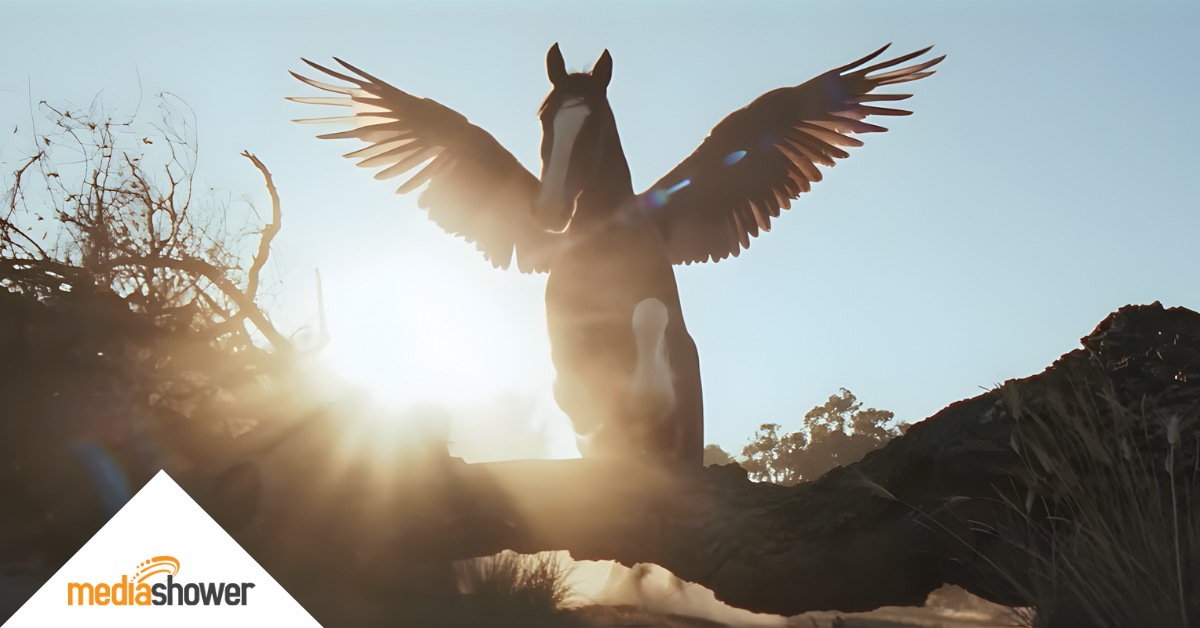
1. Budweiser: “American Icons”
Budweiser returns to its own mythology, letting a Clydesdale and a bald eagle carry the emotional weight instead of the logo. The result feels less like an ad and more like a modern folk tale about connection, pride, and shared symbols that still hold power.
2. Lay’s: “Last Harvest”
Again this year, Lay’s shifts the spotlight away from the chip and onto the hands that grow it. By grounding the brand in farming tradition and generational care, the spot reframes snack food as something rooted in patience, responsibility, and real human effort.
3. Pepsi: “The Choice”
Taika Waititi turns a simple taste test into a low key philosophical dilemma, starring a polar bear who thinks far too deeply about soda selection. The humor lands because the ad trusts awkward pauses and existential confusion more than punchlines.
4. Uber Eats: “Hungry for the Truth”
Uber Eats expands its football conspiracy universe from last year with full commitment. Matthew McConaughey reprises his role as a man convinced the NFL exists only to sell food. The joke works because everyone treats the premise as gospel, letting the absurdity feel strangely plausible. The ad also features Bradley Cooper and Parker Posey.
5. NFL: “Champion”
The NFL leans into legacy and aspiration, framing football as a lifelong pursuit rather than a single moment of glory. The spot celebrates effort, discipline, and earned greatness in a way that feels timeless rather than trend chasing.
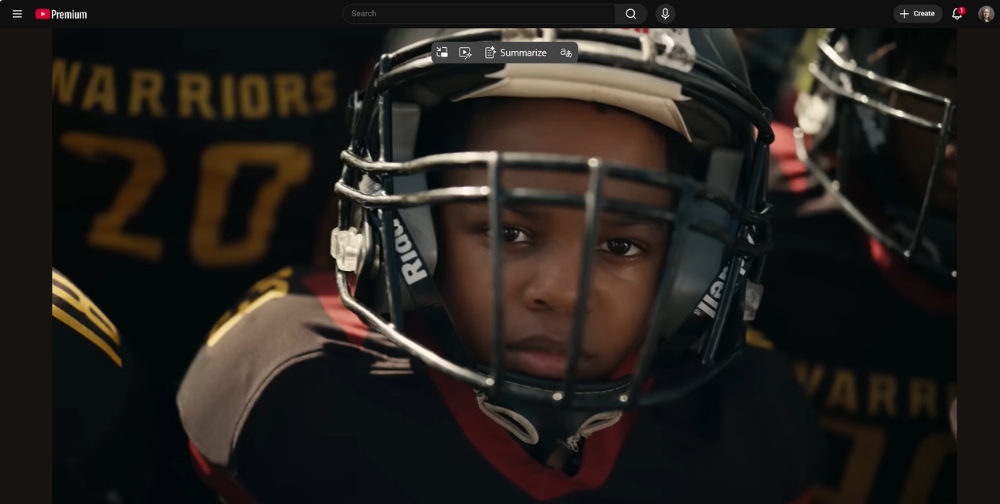
6. Michelob Ultra: “The ULTRA Instructor” (#5 Nationally)
Michelob Ultra positions fitness as a lifestyle that just happens to include beer, with Kurt Russell playing mentor and motivator. The presence of Olympic athletes Chloe Kim and TJ Oshie reinforces the brand’s long-running promise that performance and pleasure can coexist.
7. Dunkin’: “Good Will Dunkin'”
Dunkin’ embraces chaos and cultural nostalgia, assembling a sitcom supergroup for a Boston flavored parody that knows exactly how ridiculous it is. Ben Affleck assembles an incredible all-star sitcom cast for this Good Will Hunting parody, featuring Jennifer Aniston and Matt LeBlanc, Jason Alexander, Jasmine Guy, Alfonso Ribeiro, Jaleel White, and Ted Danson.
8. Xfinity: “Jurassic Park…Works”
Xfinity reunites cast members Sam Neill, Laura Dern, and Jeff Goldblum to revisit Jurassic Park in a slick, digitally de-aged what-if scenario that delivers more joy than most of the actual sequels. The spot delivers fan service with purpose, using nostalgia as proof of reliability rather than a wink for its own sake.
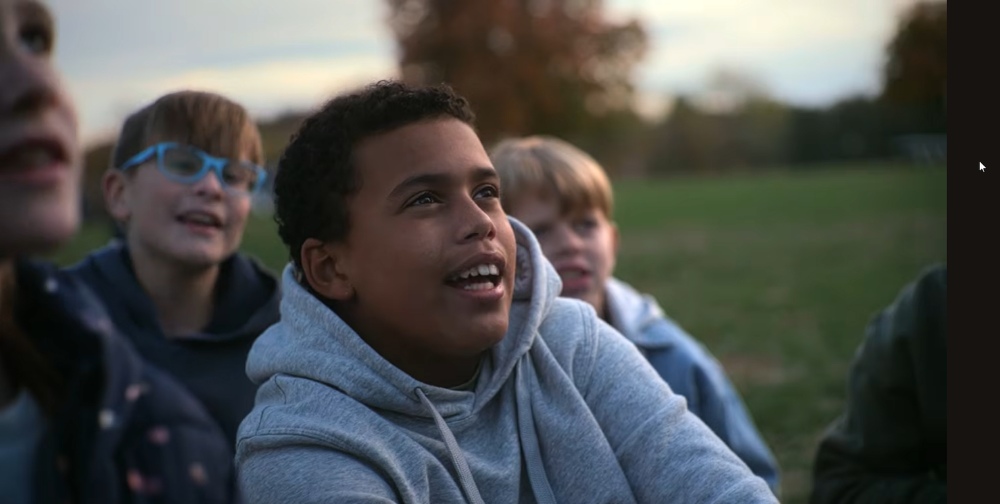
9. Toyota: “Superhero Belt”
A heartwarming family-focused commercial that reimagines seatbelts as “superhero belts.” Toyota reframes vehicle safety through a child’s imagination, transforming seatbelts into tools of everyday heroism.
10. NFL: “You Are Special”
The NFL closes with a love letter to fandom, spotlighting the emotional bond between the game and the people who build their weekends around it. The tone is sincere and celebratory, reinforcing football as a shared experience rather than a product.
Super Bowl advertising remains one of marketing’s most powerful testing grounds for creative effectiveness at scale. The 2026 winners show that even as AI-generated content rises and influencer fatigue sets in, audiences continue to respond to authentic human stories, cinematic craft, and emotional clarity.
For marketers shaping 2027 campaigns, whether on the Super Bowl stage or beyond, the path forward is consistent. Invest in storytelling, align partnerships with brand truth, and create work that makes people feel something worth remembering.
See USA Today rankings for all 54 Super Bowl XL ads here.
Takeaways for Marketers
The Super Bowl remains marketing’s most public stress test. This year’s results revealed how storytelling choices, creative leadership, and audience context shape impact at scale.
The following takeaways from this year’s 54 ads translate those observations into practical guidance for marketers planning what comes next.
1. Emotional storytelling still runs the board
The top three ads — Budweiser’s American Icons, Lay’s Last Harvest, and Pepsi’s The Choice — all made the same creative bet: story first, product second. Budweiser leaned into symbolic friendship, Lay’s honored the people behind the product, and Pepsi used humor to explore something oddly human.
The lesson feels familiar for a reason. In a crowded media environment, emotion does the heavy lifting. It builds memory that lasts longer than a 60-second slot and creates connections audiences actually carry forward.
2. Director-driven creative raises the ceiling
This year’s rankings had a clear auteur streak. Taika Waititi, Yorgos Lanthimos, and Spike Jonze each brought a distinct point of view that shaped how their brands showed up on screen. The work felt considered, cinematic, and culturally fluent.
For millennial and Gen Z audiences, director-led creative continues to signal intention. It tells viewers the brand cares about craft, not just airtime.
3. Nostalgia works better with an update
From the digitally refreshed Jurassic Park reunion to Dunkin’s sitcom-heavy Good Will Hunting parody, familiarity played a starring role. The difference was execution. Each spot respected the original reference while giving it a present-day reason to exist.
That balance matters. Nostalgia opens the door, but relevance keeps people inside. When done right, the past becomes a platform for something new.
4. Celebrity works when it feels earned
As usual, celebrity appearances were everywhere, but the strongest moments felt personal rather than performative. Kurt Russell mentoring Lewis Pullman for Michelob Ultra and Matthew McConaughey fully committing to Uber Eats’ conspiracy logic both extended stories the brands were already telling.
The takeaway is straightforward. Celebrity partnerships deliver the most value when they deepen brand narrative instead of distracting from it.
5. Family safety quietly overdelivered
In one of this year’s big surprises, Toyota’s Superhero Belt landed ninth with For The Win readers despite ranking twentieth nationally. That gap points to something important. Purpose-driven messaging around family safety resonates strongly with engaged, repeat viewers.
For both B2B and B2C brands, storytelling that speaks to protection, responsibility, and care continues to outperform feature-led messaging.
6. Audience differences created opportunity
The contrast between For The Win rankings and national results — most notably Uber Eats placing fourth with readers and fifteenth nationally — highlighted the value of audience context. Creative that connects with digitally engaged sports fans does not always translate one-to-one at mass scale.
For brands planning multi-platform campaigns, the message is clear. Tailored creative aligned to mindset and media environment performs better than a single, uniform execution.
Media Shower’s AI marketing platform helps brands create super ad campaigns. Click here for a free trial.