The Better Marketing Blog
Better tips, tools, and tactics for the AI era.
Better tips, tools, and tactics for the AI era.
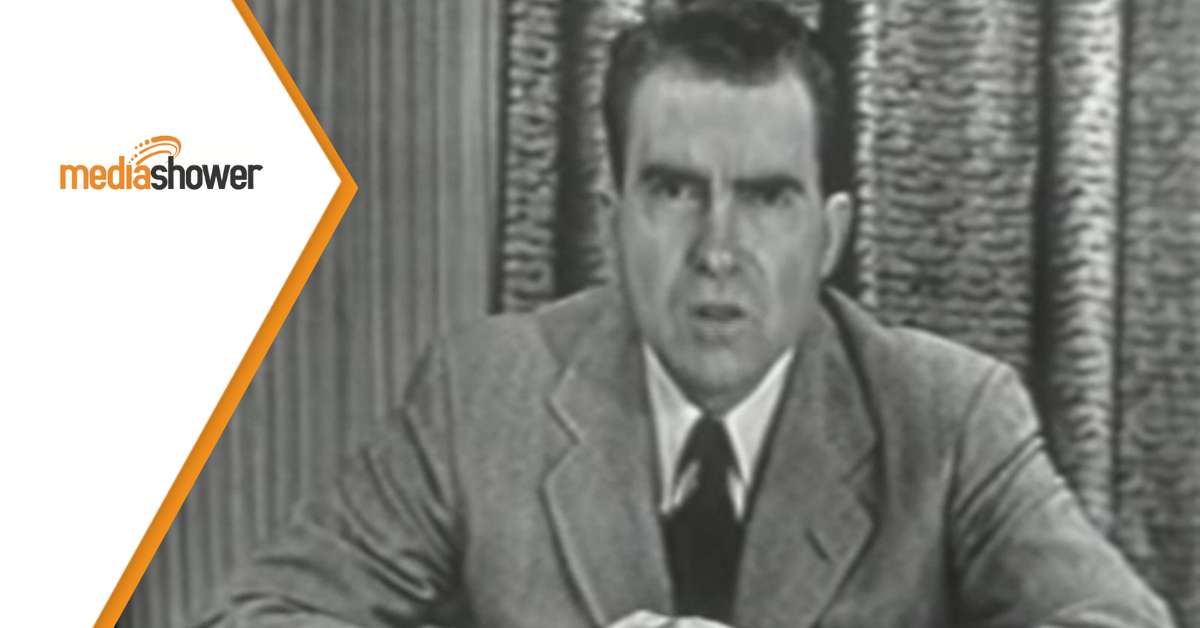
Los Angeles, California. September 23, 1952. 6:30 PM, Pacific Time. Senator Richard Nixon takes a seat in front of the television cameras and stares into the nation’s soul through grainy black and white television screens. In a few moments, he utters the first words of one of the most consequential political speeches in US history.
Richard Nixon’s Checkers speech is a master class in tackling political controversy by appealing to the audience’s emotions. In his iconic address, Nixon opened his life and financial records to the public, building emotional connections through convincing body language and personal stories, including one about the family dog.
In this article, we unpack the the communication techniques behind Nixon’s famous “Checkers” speech, focusing on what modern communicators can learn from his strategy and delivery.
“And you know, the kids, like all kids, love the dog, and I just want to say this, right now, that regardless of what they say about it, we’re going to keep it.”
Checkers was a black-and-white cocker spaniel Nixon’s family received from a supporter in Texas as a “political gift.” The senator evokes the dog as part of a personal story that gives the public an insight into his family life.
Personal storytelling is an effective messaging technique, the power of which Nixon didn’t hesitate to exploit in his Checkers speech.
The story about Checkers served multiple purposes:
The Checkers story stood out, but Nixon’s speech was rife with other personal stories, some about his wife, Pat, who accompanied him in the studio for added effect and support.
Takeaway: Use personal stories to win over the hearts of your audience and, consequently, their minds. Personal stories make you relatable, memorable, and more trustworthy.
“I am going at this time to give to this television and radio audience a complete financial history of everything I’ve earned, everything I’ve spent, everything I own.”
Trust is the basis of effective communication. Oration is the art of building trust and convincing people of the validity of one’s message. Transparency in communication begets trust, and Senator Nixon knew how to use it to convince the audience of his integrity.
Looking directly into the camera throughout his speech and speaking with disarming conviction, he took the unprecedented step of listing his family’s assets, savings, and debts.
His open body language complemented the information he shared, signaling that he had nothing to hide and dispelling any doubts about his integrity.
The $18,000 fund his supporters had created to cover some of his political expenses didn’t benefit him or his family, and he was determined to present the truth to the public.

Takeaway: Be honest and transparent in your body language and the information you communicate. Being open and forthright about difficult topics makes you credible and more likely to overcome skepticism.
“Let me say, incidentally, that my opponent, my opposite number for the Vice Presidency on the Democratic ticket, does have his wife on the payroll…”
The best defense is a good offense, says military wisdom. Nixon’s Checkers speech isn’t solely defensive, either. As he highlights his integrity, he contrasts it with the questionable practices of his political opponents.
In effective leadership communication and oration, contrasts define, clarify, and strengthen perspectives. In this instance, they provide Nixon with an opportunity to subtly undermine his opponents. He refrains from overt attacks, however, to retain the moral high ground.
“That’s his business, and I’m not critical of him for doing that. You will have to pass judgment on that particular point.”
Takeaway: Use strategic contrast to boost your position and make it stand out. In a political speech, contrasts also allow you to weaken your opponents’ arguments without confrontation.
“Well, that’s all right, Senator, that’s your explanation, but have you got any proof?”
Rhetorical questions serve multiple purposes in communication. Richard Nixon’s Checkers speech is intentionally awash with such questions. Through them:
“Do you think…that the cost of that trip should be charged to the taxpayers?”
Our minds are programmed to seek answers to questions. By asking the right questions, a skilled orator like Nixon can exert some control over the audience’s thoughts.
Takeaway: Stimulate critical thinking through rhetorical questions, compelling your audience to agree with you. By asking the right questions, you engage people, involving them in your narrative.
“And I can tell you folks that she’s worked many hours at night and many hours on Saturdays and Sundays in my office…”
Richard Nixon’s Checkers speech doesn’t feel like an address. His rhetorical questions, his tone, and his body language turn it into a discussion one may have over the living room table. His direct conversational tone is indicative of a trailblazing communication style that allows politicians to land directly in peoples’ homes, circumventing the media.
The tone of the speech facilitates connection. Nixon wanted to reach out to average Americans, and it is obvious he prepared for that type of audience.
He avoids political jargon and complex language, arguing his case in no-nonsense, widely relatable terms.

Through his tone, Nixon identifies with his audience, addressing his listeners as their equal, rather than an aloof politician.
Takeaway: Use simple, no-nonsense language when addressing your audience. Simplicity in complex communication requires courage, but it pays off by making you relatable, easier to comprehend, and more trustworthy.
Marketing campaigns, content creation, and speechwriting require simple, effective communication. Here’s what you can learn from Nixon’s Checkers speech:
Media Shower’s AI-powered platform helps marketers produce high-quality content that connects with audiences on an emotional level. Start your free trial today and get started in minutes.
Start your free Media Shower trial and get personalized insights on your SEO, competitors, AI visibility, and what to do next.