The Better Marketing Blog
Better tips, tools, and tactics for the AI era.
Better tips, tools, and tactics for the AI era.
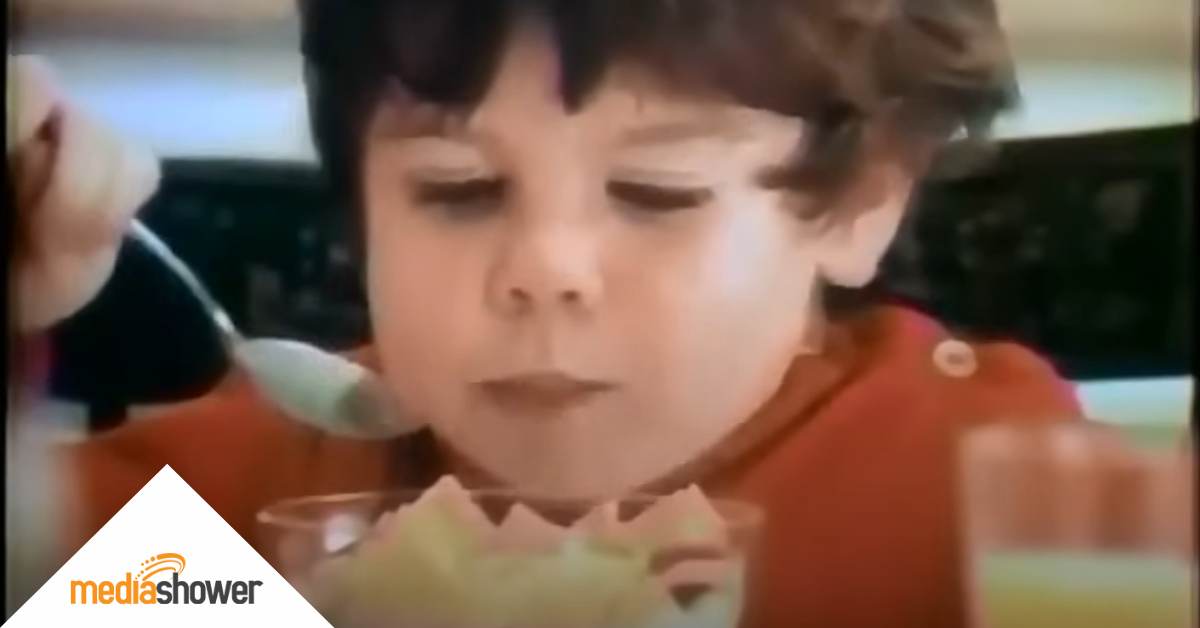
Some ads are so legendary that they become part of everyday language. Life Cereal’s “Mikey Likes It” campaign is a perfect example—an ad so simple, yet so effective, it turned an everyday breakfast moment into a pop culture reference.
No special effects, no celebrity endorsements, just three kids and a bowl of cereal. And somehow, it worked better than a million-dollar production.
So, how did a 30-second ad from the 1970s get lodged in the cultural memory for generations?
Let’s dig in.
Kid tested, never improved.
Life Cereal, owned by Quaker Oats, had a challenge: convince parents that it was a healthy choice while making it appealing to kids who just wanted something sugary and fun.
In an era when cereals were either aggressively nutritious (hello, bran flakes) or cartoonishly indulgent (looking at you, Count Chocula), Life needed a way to bridge the gap.
The commercial was the brainstorm of Doyle Dane Bernbach, the legendary ad agency behind some of the most creative campaigns of the 20th century. It had a simple premise:
Don’t tell parents that Life is good for kids—show kids loving it instead.

The commercial featured three real-life brothers sitting at the breakfast table, facing the ultimate challenge: trying a new, “healthy” cereal. The two older brothers, skeptical as ever, decide to test it on their little brother Mikey, the picky eater of the family.
The moment of truth comes when Mikey digs in, happily munching away. Shocked, his brothers exclaim, “He likes it! Hey, Mikey!”—and a marketing legend was born.
The ad closed with a clever appeal to parents:
“When you bring Life home, don’t tell the kids it’s one of those nutritional cereals you’ve been trying to get them to eat. You’re the only one who has to know.”
The original ad ran for over 12 years, making it one of the longest-running TV commercials of all time.

Unlike the overly scripted, exaggerated kid performances of most commercials, Mikey Likes It felt like an actual sibling interaction. Their authentic on-screen chemistry resonated with audiences nationwide.
Parents everywhere recognized the struggle: getting kids to eat something good for them. By framing Life as the cereal that even the pickiest eater would approve of, the ad won over both parents and kids.
No jingles, no over-the-top messaging, just a small, relatable moment that captured the essence of childhood. The simple, repeatable phrase (“He likes it! Hey, Mikey!”) made it incredibly easy to remember—and, more importantly, easy to quote.
Without explicitly stating “this is good for your kids,” the ad subtly reassured parents that Life was nutritious while reinforcing to kids that, hey, it actually tastes good.

The phrase “He likes it! Hey, Mikey!” spread like wildfire. Kids, parents, even people who never ate Life Cereal were quoting it. This organic buzz became one of the earliest examples of how a catchphrase can drive brand recognition without a massive media buy.
Virality before virality was a thing.
Most ads fade after a few months, but Mikey Likes It lasted over a decade without major updates because it didn’t rely on trends. At its heart was a timeless insight that both kids and parents could relate to.
At a time when cereal ads were dominated by cartoon mascots and sugar-fueled energy, Life took a different approach: no gimmicks, just real kids. This contrast made it stand out and gave it credibility.
“Mikey Today: Roommates”
In 1986, Life Cereal brought Mikey back as a college student in “Mikey Today: Roommates.”
The spot finds Mikey, now grown up and played once again by John Gilchrist, living with a younger roommate who’s skeptical about trying Life Cereal. Sound familiar? In a clear nod to the original, Mikey watches as his hesitant roommate eyes the cereal box with suspicion.
But instead of pushing, Mikey just waits—because he knows exactly how this will play out. Sure enough, the roommate takes a bite, pauses, then digs in.
Mikey smirks and delivers the callback we had all been waiting for: “He likes it.!”
While it was not as successful as the original, the modern spin on the classic ad was a tug on nostalgia that cleverly acknowledged how legendary the original campaign became.

“Little Mikey” was the campaign that refused to quit.
But will he like Snapple?
While specific sales figures from the original campaign era are not readily available, the enduring presence and repeated revivals of the “Mikey” character underscore the campaign’s lasting impact and effectiveness in brand recognition and consumer engagement.
Even decades later, the campaign remains a go-to example in marketing courses. It has been parodied, referenced in pop culture, and even revived with other actors. The most recent is this 2024 commercial, which features a new Mikey:
The new Mikey.
Media Shower’s AI Platform helps you serve up a marketing strategy that even Mikey would like. Click for a free trial.
Start your free Media Shower trial and get personalized insights on your SEO, competitors, AI visibility, and what to do next.