Every December, brands flood the market with holiday ads. Most burn bright for a few weeks – and vanish by January. But a few return every year, as timeless as St. Nick himself.
In this piece, we break down the 10 best Christmas ad campaigns of all time: not one-off viral hits, but long-running platforms that turned seasonal marketing into cultural rituals. From Coca-Cola’s visual ownership of Christmas to John Lewis’ annual emotional event, these campaigns became part of the holiday itself.
If you want to understand how brands build holiday equity that compounds year after year, this is required reading.

How We Evaluated The Best Christmas Ad Campaigns
To qualify, a campaign had to meet four criteria. It had to
- be explicitly Christmas-focused,
- extend beyond a single ad or execution,
- demonstrate multi-year continuity or a repeatable seasonal platform,
- show strong brand integration across storytelling, media, retail, or cultural touchpoints.
We put together an initial list of 20 campaigns based on consistent appearance in industry best-of lists, documented rewatch behavior, and evidence of recurring seasonal presence. This ensured the list reflected overall cultural impact.
Then we scored each campaign on a one-to-five scale across eight dimensions:
- Longevity and consistency
- Ownership of Christmas
- Creative platform strength
- Cultural ritual creation
- Brand integration at scale
- Emotional and human truth
- Commercial impact over time
- Adaptability without dilution
Final rankings gave greater editorial weight to longevity, ownership, and ritual creation.
The Top 10
1. Coca-Cola Christmas Platform
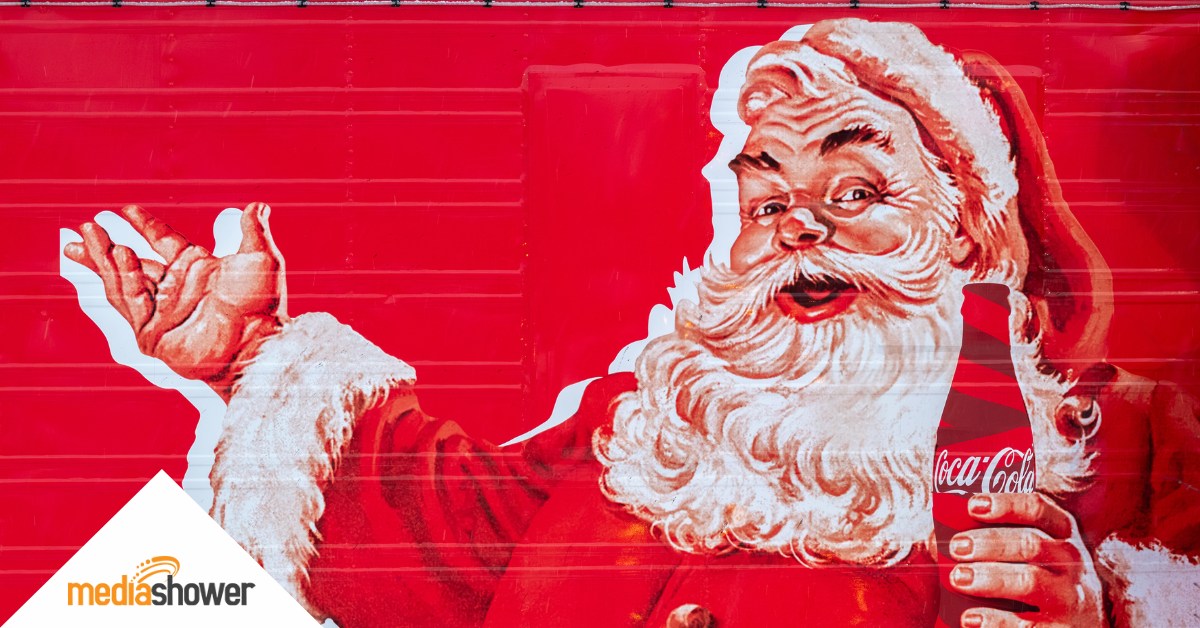
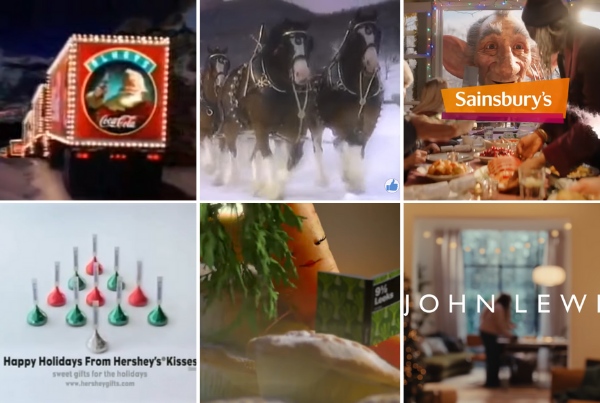
From its long-standing association with Santa Claus to the globally recognized Coca-Cola polar bears and the “Holidays Are Coming” truck commercials, Coca-Cola has built a visual and emotional language that has endured for decades.
While the company is experiencing backlash from their 2024 and 2025 AI-generated campaigns, their historical legacy entitles them to take the top spot.
The power of the platform lies in consistency. Seasonal packaging, out-of-home displays, retail takeovers, and broadcast advertising all reinforce the same signals year after year.
Coca-Cola’s Christmas platform operates at cultural scale, making the brand feel inseparable from the holiday itself.
2. John Lewis Annual Christmas Campaigns
John Lewis transformed the Christmas ad into an anticipated annual event. Beginning in 2007, the brand released a new film each year, anchored in emotional storytelling and contemporary music.
The strategic breakthrough combined emotion with predictability. Audiences came to expect the John Lewis Christmas ad as a seasonal milestone, similar to decorating a tree or hearing the first carol.
While creative styles evolved over time, the ritual remained intact. That anticipation became a form of brand equity that extended far beyond retail.
3. Hershey’s Kisses “Christmas Bells”
Hershey’s offers one of the clearest examples of discipline in seasonal advertising. The “Christmas Bells” spot has aired largely unchanged since 1989, featuring Hershey’s Kisses ringing out “We Wish You a Merry Christmas.”
The repetition is the strategy. By returning every year without variation, the ad became a seasonal signal that Christmas has arrived.
4. Aldi Kevin The Carrot
Kevin the Carrot began as a playful mascot and evolved into a full seasonal character with narrative arcs and merchandise. Aldi used Kevin to balance humor with warmth while maintaining a clear focus on value.
The character allowed Aldi to return each year without creative fatigue. Kevin could adapt to cultural trends, parody competitors, or anchor emotional moments without losing recognizability.
This flexibility turned Kevin from a campaign device into a seasonal asset.
5. Budweiser Clydesdales At Christmas
Budweiser’s Clydesdales evoke powerful emotions. The brand uses the horses selectively, often returning to themes of homecoming, gratitude, and quiet reverence.
The campaigns avoid humor and spectacle in favor of familiarity and tradition. Importantly, Budweiser does not deploy the Clydesdales every year, which preserves their emotional weight.
That patience has allowed the brand to maintain meaning across decades.
6. Sainsbury’s Christmas Campaign Platform
Sainsbury’s approached Christmas as a lens for shared values rather than pure retail promotion. Ads such as “1914” and “Sophie and the BFG” explored generosity, memory, and community.
This year’s ad again features the “Big Friendly Giant” made popular in the children’s book by Roald Dahl.
The work often sparked conversation by tying Christmas to broader cultural moments. That relevance gave the brand gravity without sacrificing warmth.
Sainsbury’s demonstrated that emotional storytelling can serve both brand and culture when grounded in purpose.
7. Apple Holiday Campaign Era
Between approximately 2013 and 2019, Apple used Christmas to humanize technology. Holiday films focused on creativity, accessibility, and connection, with products playing supporting roles.
The restraint matched Apple’s broader brand philosophy. Christmas became a moment to soften innovation rather than amplify features.
While Apple has since stepped back from a consistent holiday platform, the era remains influential.
8. Marks And Spencer Christmas Food Campaigns
Marks and Spencer turned Christmas into a celebration of indulgence. The brand’s food-focused campaigns emphasized sensory pleasure through close-up visuals and confident copy.
Rather than telling stories, the campaigns created anticipation. Christmas became synonymous with elevated food experiences, positioning M&S as the authority on festive dining.
That clarity drove both emotional connection and retail performance.
9. Guinness Christmas And Winter Campaigns
Guinness approached Christmas indirectly, often focusing on winter themes rather than overt festivity. The tone remained grounded, communal, and emotionally honest.
Guinness avoided forced cheer, allowing the brand to build credibility during the season. The brand demonstrated that relevance can be achieved through alignment rather than decoration.
10. Heathrow Christmas Bears
Heathrow reframed the airport experience through the story of two bears reuniting with family. The campaign transformed a stressful environment into an emotional gateway.
By returning to the same characters, Heathrow created continuity and anticipation in an unexpected category. The bears became a ritual that reminded audiences what travel during Christmas represents.
Patterns Across The Best Christmas Campaigns
Looking across the top performers, here’s what we’ve learned about creating enduring Christmas campaigns:
Ritual beats reinvention: The strongest campaigns simply repeat one great idea, year after year. Repetition builds anticipation, and anticipation builds equity.
Characters outperform concepts: Characters provide continuity and flexibility. Audiences return for familiar faces more readily than abstract ideas.
Consistency compounds returns: Half the battle is just showing up, and when you do, each year adds value to your long-term platform.
Emotional restraint builds trust: The most effective campaigns respect the audience. They tug, rather than yank, on the heartstrings.

Marketer Takeaways
- Christmas ownership is built through quiet repetition, year after year.
- Ritual creates anticipation, and anticipation creates long-term equity.
- Characters scale more effectively than abstract ideas.
- Emotion works best when it serves the brand rather than overpowering it.
- Treat the season as a long-term investment, not an annual performance.
Media Shower’s AI marketing platform helps marketers move from seasonal stunts to lasting brand rituals. Click here for a free trial.