The Better Marketing Blog
Better tips, tools, and tactics for the AI era.
Better tips, tools, and tactics for the AI era.
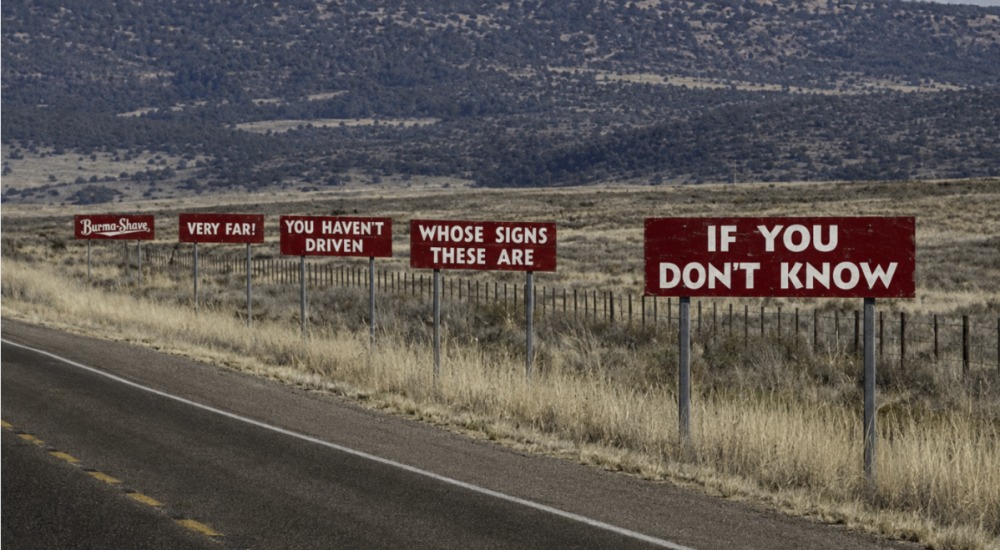
You’re driving down the road in the 1920s in your Ford Model T, and you pass five billboards in a row:
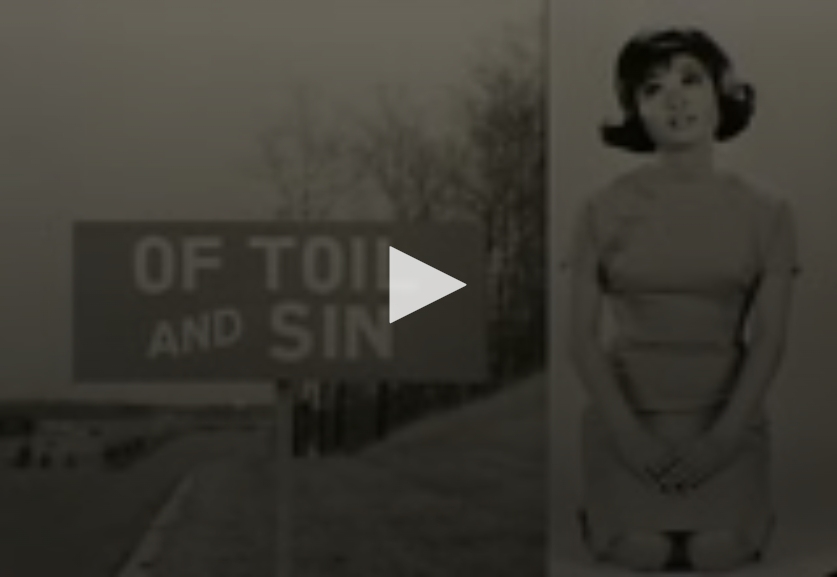
YOUR SHAVING BRUSH
HAS HAD ITS DAY
WHY NOT SHAVE
THE MODERN WAY
BURMA-SHAVE
Burma-Shave was a revolutionary “brushless” shaving cream that you could just scoop out of the jar and lather on your face, rather than using the traditional mug and brush.
With the advent of automobiles and the emerging American highway system, the company pioneered this clever “sequential ad” campaign, which ran for nearly 40 years. The Burma-Shave billboards were short, funny, and easy to read at 35 miles per hour.
The Signs of the Road – Burma Shave Signs on Historic Route 66
Some sequences sold the product:
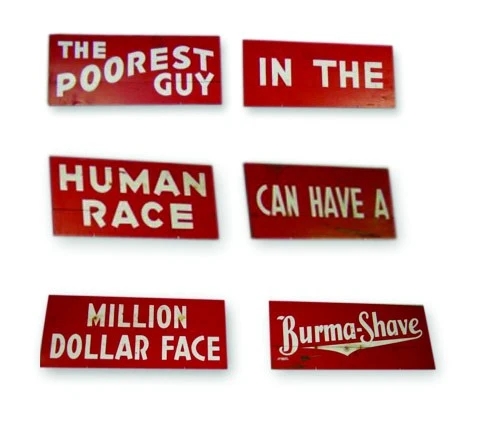
“The poorest guy → In the human race → Can have a → Million-dollar face → Burma-Shave”
Others delivered road-safety advice with a dark little punchline:
“Hardly a driver → Is now alive → Who passed → On hills → At 75 → Burma-Shave”
Burma-Shave eventually placed more than 6,000 sign sets in 45 states, according to the Minnesota Historical Society. The campaign ran for decades and helped turn a struggling shaving cream into a familiar national brand.
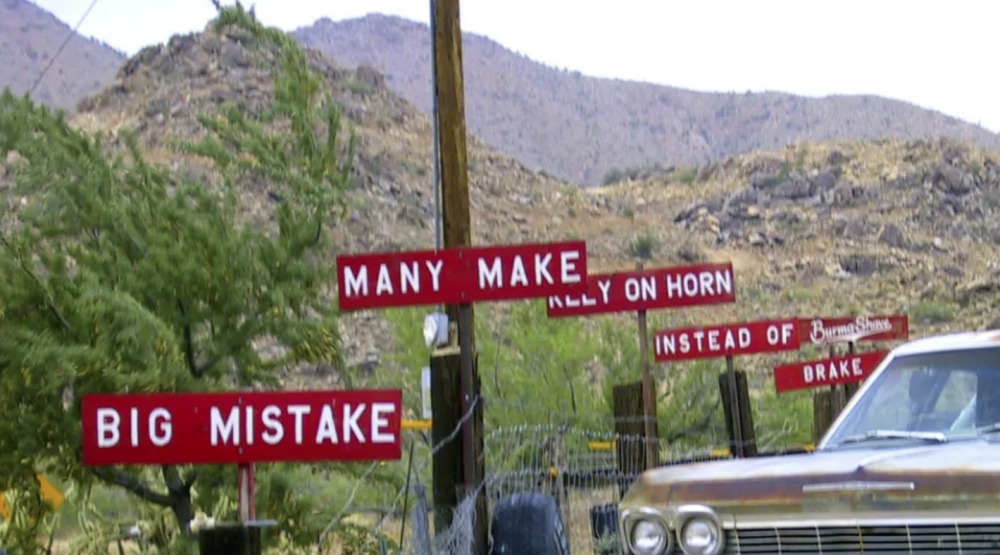
Modern marketers have something similar to the Burma-Shave campaign: social media carousels, which are the digital equivalent of the sequential billboard.
While users are swiping up to scroll their feed, LinkedIn and Instagram carousels give users a reason to “swipe right” to learn more – like reading the next billboard in the series.
A carousel can divide a long message into readable pieces or develop an idea one card at a time.
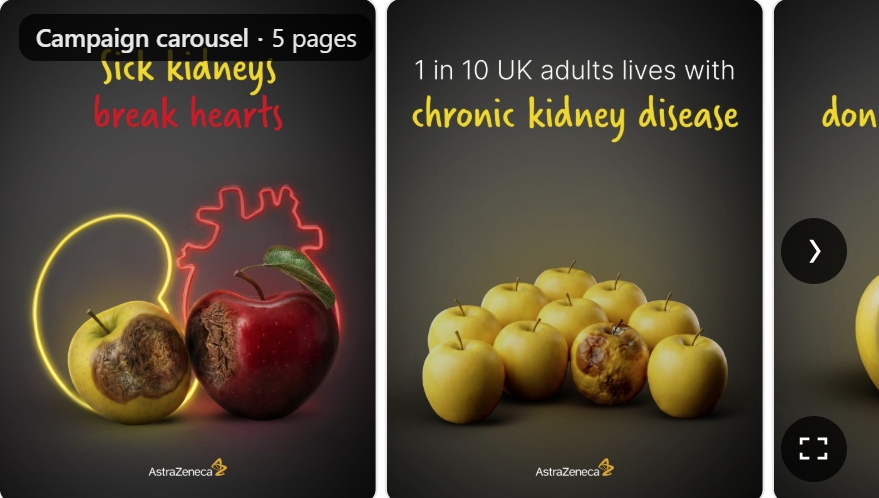
As another example, a LinkedIn carousel created by Miroslav Petrov for an AstraZeneca chronic kidney disease awareness campaign uses the same principle to tell a more visual story.
The opening cards create a dark, unsettling world and use visual metaphors to convey the threat of a disease that can progress silently. The final card introduces a brighter palette and a healthier outlook.
Learn more: 6 Steps to Create a LinkedIn Carousel That Drives Engagement
Carousels keep the sequence inside one interaction. YouTube video ad sequencing can show the installments days apart.
With this format, the next ad in the sequence can depend on whether the viewer received an impression, completed a view, or skipped the previous ad, according to Google Ads campaign guidance.
Adidas used YouTube sequencing when launching its Nemeziz soccer shoe. The campaign sent viewers along different paths based partly on whether they watched or skipped earlier videos in the series. Google reported a 33% increase in brand awareness and a 317% lift in product interest.
A well-planned sequence lets each ad do less and say more. One can introduce the idea, another can support it, and a later ad can make the case for action. Each ad still has to work on its own, but it doesn’t have to pretend the viewer has never seen the brand before.
Burma-Shave relied on the highway to hold its story together. Modern marketers have to build that path themselves, either by keeping the sequence inside one post or by controlling how separate ads reach the viewer.
The formats have changed, but the essential creative question has not: What will make someone want the next installment?
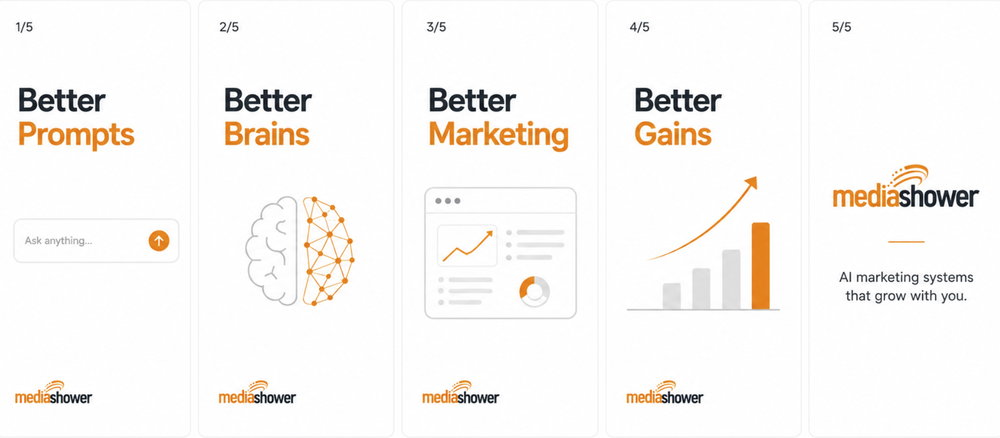
One post is great → But stories shine → When every part → Falls into line → Media Shower
Burma-Shave signs were roadside advertisements that revealed a short message one phrase at a time. The classic arrangement generally used six signs, with the Burma-Shave name appearing last.
The first Burma-Shave sign sets appeared along Minnesota highways in 1925. The campaign continued into the 1960s.
Sequential advertising presents related messages in a planned order so later installments can build on earlier ones. The sequence may unfold inside one format, such as a carousel, or across separate ads delivered over time.
LinkedIn carousels keep multiple cards within one post or ad. Marketers determine the card order, while readers decide whether to continue through the sequence.
YouTube video ad sequencing is a Google Ads capability that delivers a planned series of video ads to individual viewers. Movement through the series can depend on impressions, views, or skips.
Marketers should examine the performance of each installment and the movement between them. Useful questions include where viewers leave the sequence, which interactions move them forward, and whether later installments produce stronger interest among people who encountered the earlier ones.