The Better Marketing Blog
Better tips, tools, and tactics for the AI era.
Better tips, tools, and tactics for the AI era.
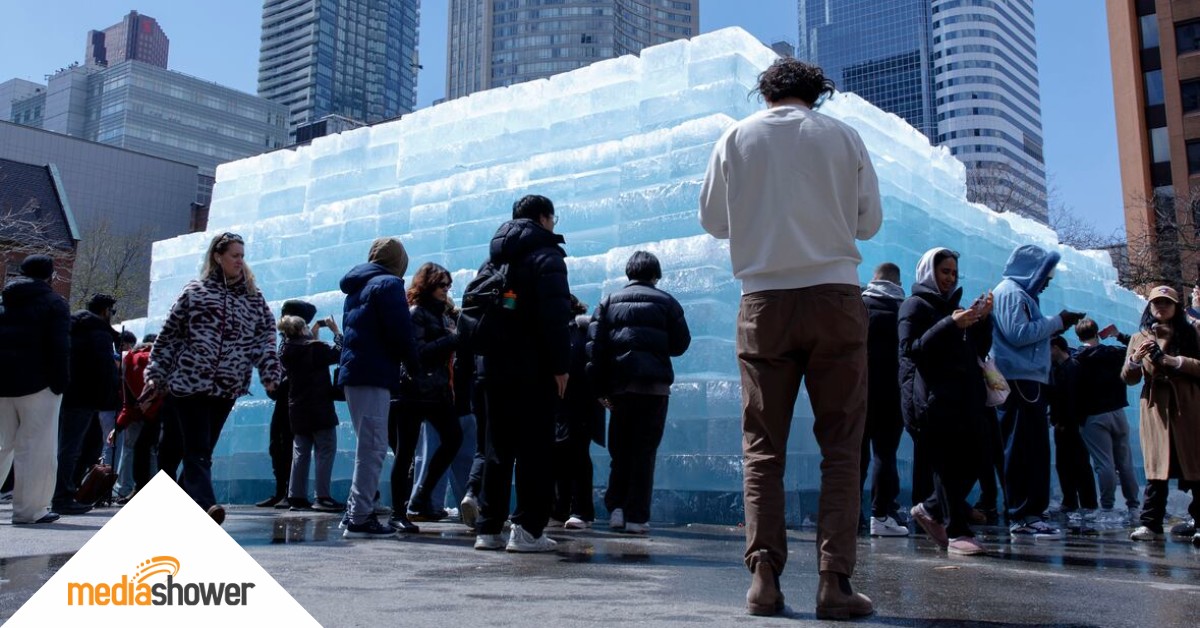
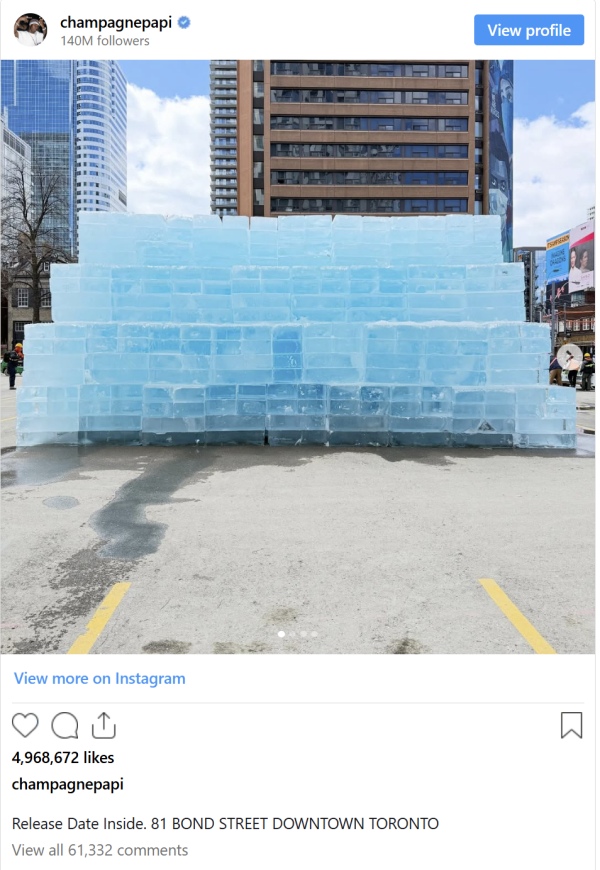
For a few spring days in 2026, Drake fans watched ice melt. Literally.
Large crowds gathered around giant ice sculptures planted in his home city of Toronto, waiting for the sculptures to surrender the secrets hidden inside.
Some people filmed timelapses. Others livestreamed the melting process for hours. Entire crowds stood around documenting every drip like they were waiting for a major sports upset.The sculptures were part of Drake’s rollout for Iceman, a surprise triple-album release that also included Habibti and Maid of Honour. The larger campaign had already been unfolding through cryptic teasers, livestreams, and staged reveals before expanding into physical installations fans could experience in public.
The ice sculptures represented the culmination of a much larger Iceman rollout that had already transformed Toronto into part of the campaign itself.
Drake had been building toward the rollout for months, beginning with the hour-long livestream Iceman Episode 1 in July 2025.
Other launch events have included:
The CN Tower “Freeze.” Drake’s team used 75 high-powered projectors to make the CN Tower appear to freeze over in real time, turning one of Canada’s most recognizable landmarks into part of the album rollout.
oh but i hurd kendrick fans say toronto doesn’t love drake anymore?? pic.twitter.com/E6aB27Clq3
— lucia (@rareeovo) May 15, 2026
The Raptors courtside seats. Drake kicked off the icy visual theme by encasing his personal courtside seats at Scotiabank Arena in faux ice and icicles during a Raptors game.
Drake’s seats froze 🧊 pic.twitter.com/FBE0Tp4UGD
— Toronto Raptors (@Raptors) April 13, 2026
The Downsview explosion. A massive controlled explosion at Downsview Park that rattled residents across northern Toronto was later revealed to be part of an Iceman music video shoot.
Each stunt expanded the sense that something larger was unfolding across the city. By the time the sculptures appeared, fans already understood that the rollout was operating on a larger scale than a typical album launch.
As the sculptures melted over several days, the internet started treating the reveal like an unfolding live event.
Social feeds filled with theories, screenshots, livestreams, and constant updates as the sculptures slowly revealed new clues.
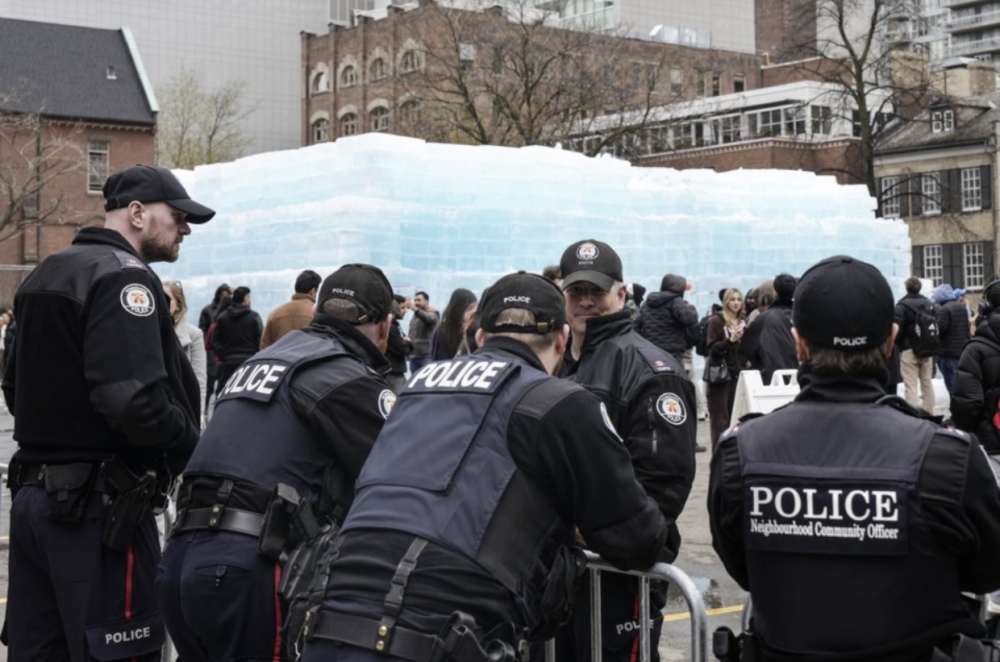
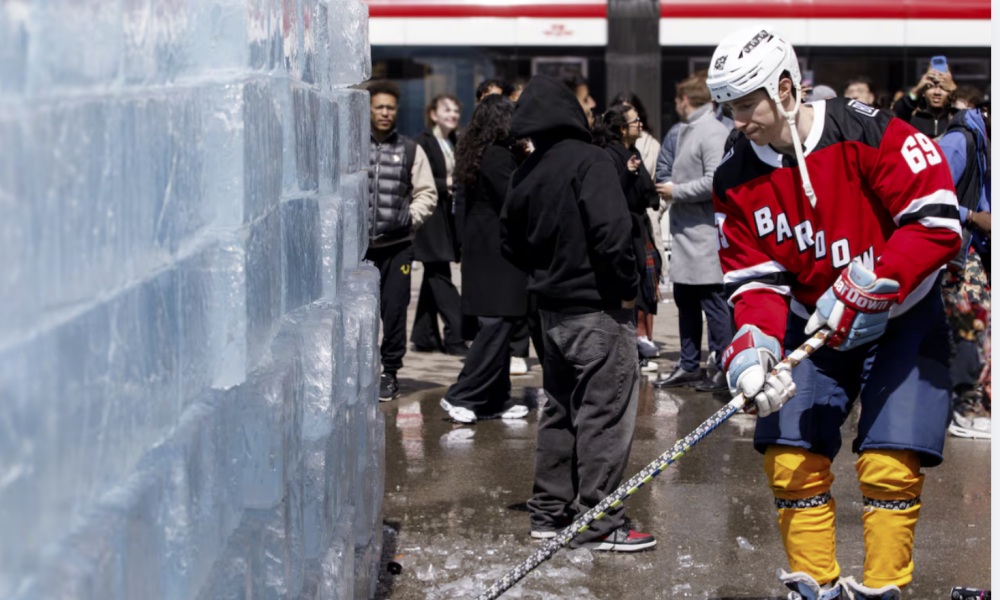
Some fans attacked the roughly 25-foot sculptures with pickaxes, hammers, open flames, and even blowtorches in an attempt to speed up the reveal. Toronto police and fire crews eventually intervened as crowds grew larger and fans began using tools and flames around the sculpture.
What started as an album rollout increasingly resembled a citywide event.
By the second day, the audience itself had become part of the campaign.
People who physically visited the sculptures gained social status online because they could post updates ahead of everyone else. QR codes slowly revealed album details and hidden prizes, rewarding the fans willing to wait around the longest.
That detail changed the psychology of the entire campaign. Fans who uncovered new information rushed online with screenshots, theories, and livestream updates while the rest of the internet scrambled to catch up.
While Drake’s team hid prizes inside the sculpture, the biggest reward was always the album release date itself.
Fans treated the ice like a giant public puzzle. Every crack, drip, and newly exposed object triggered fresh speculation across TikTok, livestreams, Reddit threads, and repost accounts.
The frenzy lasted for about 24 hours until Twitch streamer Kishka successfully scaled the ice, retrieved the hidden blue bag containing the May 15 release date, and was later rewarded with a stack of cash at Drake’s mansion.
The story kept evolving even after the official reveal.
In what he later described as an impromptu decision, creator Zachery Dereniowski, known online as MDMotivator, threw the keys to a new car into the sculpture during the frenzy surrounding the event.
A young man named Antonio eventually drove home with a brand-new Honda Civic.
“I was just standing on some ice. I was in the right place at the right time.” – “Antonio”
The rollout spread quickly because the organizers understood something many digital campaigns miss: people are drawn to unfolding situations.
Most music marketing campaigns prioritize immediacy through countdown clocks, teaser trailers, or surprise drops. Drake’s team slowed the experience down instead. Fans had to keep checking back to see what changed.
That created temporal FOMO.
People opened TikTok and Instagram because they suspected something new might already be happening. Every update felt time-sensitive because the sculptures themselves were physically changing in real time.
Nobody knew how quickly the sculptures would melt, whether fans would interfere, or what might emerge next. Even the possibility of Drake appearing in person kept speculation circulating online.
Social platforms thrive on evolving narratives because they give audiences a reason to keep returning. Users obsess over everything from courtroom livestreams to abandoned cruise ships for the same reason: the story keeps changing in public.
The campaign also succeeded because it felt aggressively physical in an era dominated by synthetic content. Physical crowds are harder to fake than digital engagement metrics. Once people started gathering around the sculptures, the crowd itself became proof that something worth watching was happening.
Passersby stopped because other people had already stopped. Social proof became literal.
Experiential marketing still performs unusually well online because real-world events generate reactions people genuinely want to film and share. Those reactions often carry more weight than polished brand assets because audiences trust amateur documentation more than highly controlled advertising.
Drake’s rollout tapped directly into that behavior.
The rollout also avoided another common problem: over-engineered virality.
Many brands build campaigns so carefully for TikTok or Instagram that the content starts feeling focus-grouped and lifeless. The Iceman sculptures escaped that trap because the situation contained genuine unpredictability.
Most people following the rollout never visited the sculptures themselves. They experienced the campaign through reposted clips, reaction videos, livestreams, and creator commentary circulating across social feeds.
Some of the most widely shared clips weren’t official campaign assets at all. They were shaky livestreams, crowd reactions, and phone videos filmed by people standing near the sculptures.
The lack of control actually helped the campaign spread.
Modern audiences often trust rough footage more than polished marketing because it feels less manufactured. The messiness made the rollout believable.
People argued over clues, and fans posted contradictory theories with complete confidence. Crowds kept improvising new ways to interact with the sculptures.
By the third day, strangers were standing around watching ice melt while livestreams, news crews, and social creators documented the scene from every angle like it was a championship event.
The smartest part of the rollout may have been how shamelessly literal it was.
An album called Iceman promoted through melting ice sculptures is immediately understandable; audiences didn’t need a long explanation to grasp the concept.
That matters online, where simple ideas travel faster because people can summarize them instantly to somebody else. Drake froze album clues inside giant ice sculptures and let the internet do the rest.
For several days, Drake turned a melting block of ice into one of the internet’s most closely watched live events.
Some measurable outcomes included:
Media Shower’s AI marketing platform helps brands create campaigns that don’t melt under pressure. Click here for a free trial.