The Better Marketing Blog
Better tips, tools, and tactics for the AI era.
Better tips, tools, and tactics for the AI era.
Optimized 10/6/25
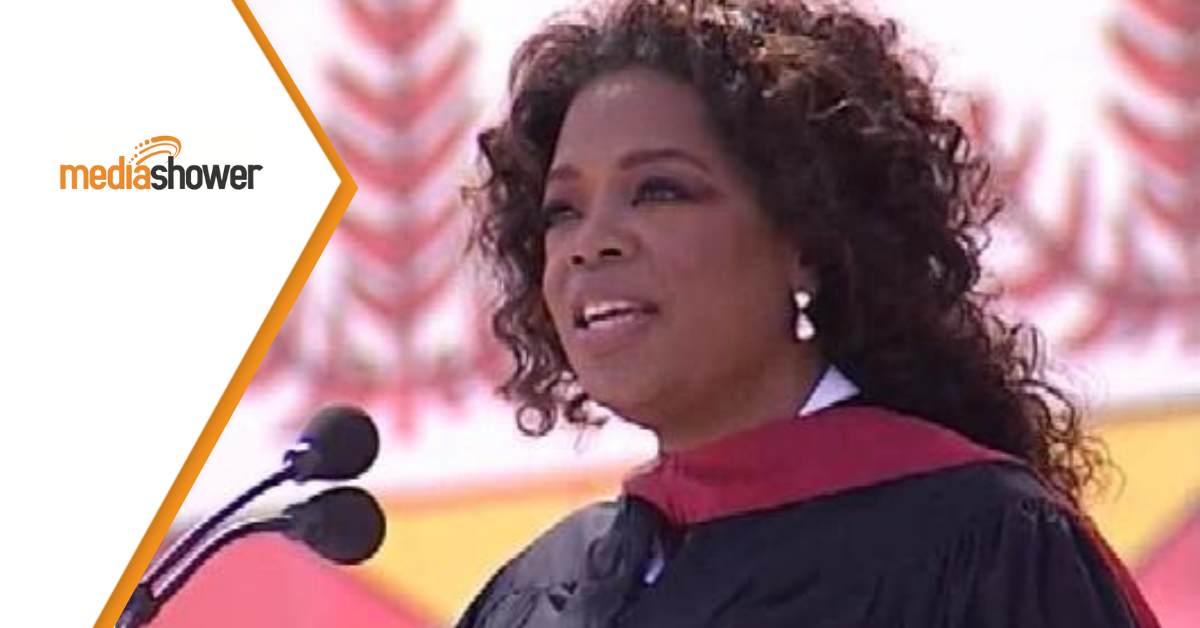
Oprah Winfrey’s 2008 Stanford speech endures because it transcends motivational clichés. Rather than offering abstract advice, she speaks from lived experience and turns vulnerability into strength and storytelling into strategy.
For communicators, marketers, and leaders, it’s a vivid reminder that connection comes from truth, not polish.
Because it delivers emotional truth with structural simplicity. She doesn’t overperform—she connects. In an era where communication is often filtered, rehearsed, and algorithmically optimized, her authenticity feels refreshing and rare. She grounds her message in experience, not theory, proving that personal truth has universal reach.
By admitting uncertainty and sharing moments of vulnerability, Oprah establishes trust instantly. She leads with feeling, not formula. Her tone reminds professionals that people follow those who feel real, not just right.
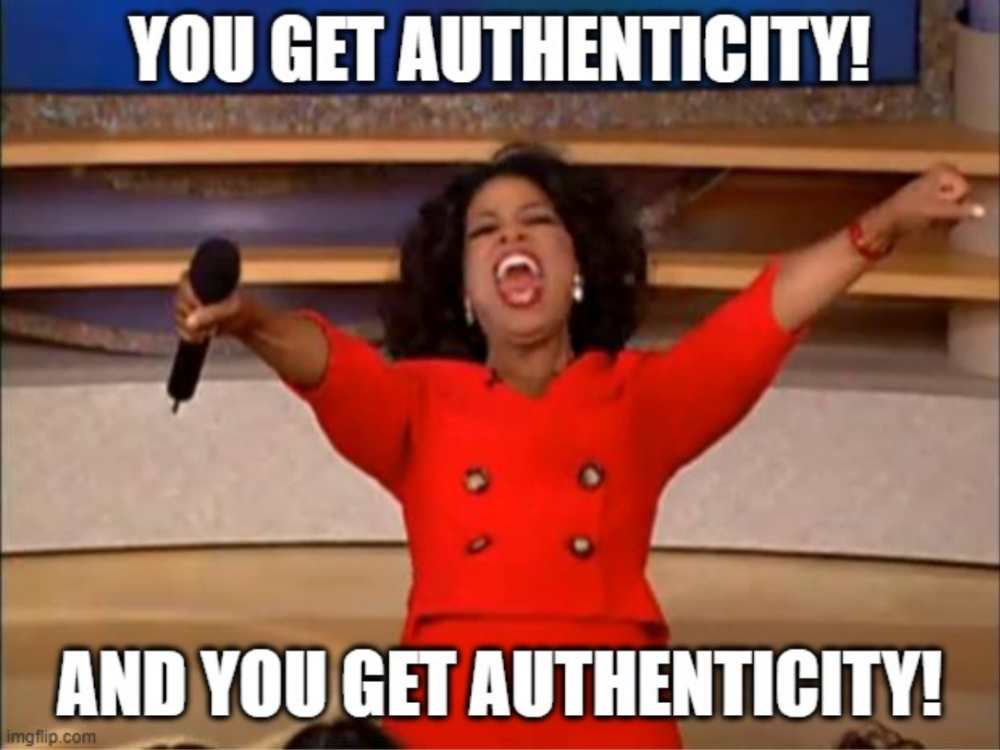
Today’s audiences crave connection over perfection. Whether you’re delivering a keynote or writing brand copy, authenticity communicates confidence. It tells your audience: “You can trust me because I’m not pretending.”
“I’m not going to change my name. And if people remember it or not, that’s okay.”
The simplicity of that line defines Oprah’s approach to communication. Early in her career, she refused to change her name despite pressure to conform. That choice became symbolic of her belief that success and self-respect should never compete.
Audiences are emotional lie detectors. They can tell when something feels rehearsed or inauthentic. Oprah’s refusal to hide discomfort became her power—an act of self-trust that invited others to do the same. Her honesty builds rapport faster than any rhetorical technique.
Before crafting a message, ask: Does this sound like me? If it doesn’t, rewrite it. Real connection begins when the communicator feels aligned with their own message. When your delivery and your truth match, your audience senses it immediately.
“They sent me to a salon where they gave me a perm, and after a few days, all my hair fell out.”
With this self-deprecating story, Oprah transforms vulnerability into relatability. She doesn’t lecture; she narrates. Storytelling bridges emotional distance by turning information into lived experience.
Stories engage both logic and emotion. They light up the parts of the brain that handle empathy and memory, making ideas stick.
Oprah’s anecdotes—her goddaughter’s graduation, her career missteps, her doubts—invite audiences into her journey. When we hear stories, we don’t just understand; we feel.
Choose stories that show your values in motion. Keep them concise and emotionally clear. End each one with a short reflection that ties personal experience to universal insight.
Oprah’s stories work because they aren’t about her. They’re about the audience recognizing themselves in her.
“And after eight months, I lost that job. They said I was too emotional. I was too much.”
What most would call a career-ending moment became Oprah’s turning point. She didn’t suppress emotion; she found an environment where emotion belonged.
Failure is a teacher that demands attention. By sharing her own setbacks, Oprah reframes vulnerability as wisdom. When leaders admit what they’ve learned the hard way, they model resilience.
That kind of honesty gives people permission to grow without shame.

Reflect on your lowest professional moments and identify the principle they taught you. When shared authentically, those lessons inspire others to persist. Oprah didn’t just say, “Don’t give up.” She showed how falling down shaped her success.
“So, I’d go home at night and fill up my journals about how miserable I was and frustrated. Then I’d eat my anxiety.”
This line shows why emotions are the pulse of retention. When words carry feeling, the brain prioritizes them as meaningful.
Emotional resonance strengthens recall. Listeners might forget content, but they remember how a message made them feel. Oprah modulates emotion like a musician—starting with empathy, rising to intensity, then resolving into clarity.
Vary tone and tempo to mirror your message. Begin with openness, build intensity around key lessons, and close with calm conviction. The rhythm keeps audiences engaged and cognitively invested.
“So, whatever field you choose, if you operate from the paradigm of service, I know your life will have more value, and you will be happy.”
This closing moment transforms inspiration into direction. After taking her audience through self-reflection and empathy, she delivers practical clarity: serve others.
Oprah aligns emotion with purpose. Her advice—focus on service—channels personal feeling into social value. True fulfillment, she reminds her audience, isn’t found in success but in significance.
End your message with something the audience can do today. Offer an action, not just an idea. Like Oprah, connect purpose to practice: “Here’s how you can live what you’ve just learned.”
Want to communicate like Oprah? Our AI-powered marketing platform helps you craft authentic, emotionally intelligent messaging that connects. Start your 14-day free trial and turn every story into influence.