The Better Marketing Blog
Better tips, tools, and tactics for the AI era.
Better tips, tools, and tactics for the AI era.
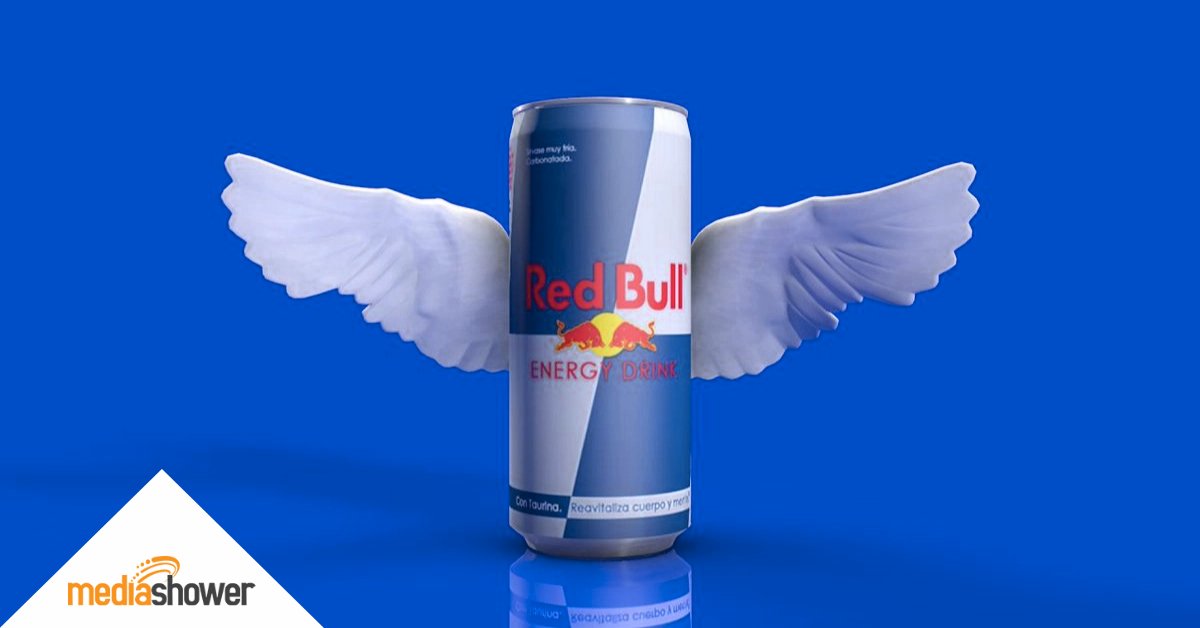
Red Bull isn’t really in the energy drink business. They’re in the business of human potential.
What began as a niche Thai beverage has morphed into one of the most influential brands on the planet, synonymous with courage, creativity, and the edge of human achievement. With the simple yet powerful promise to “give you wings,” the brand tapped into something deeper than caffeine: the human drive to push limits and defy gravity (literally and figuratively).
The result: a new genre of extreme sports marketing and an unbreakable link between its product and the pursuit of the impossible.
In 1984, Austrian entrepreneur Dietrich Mateschitz partnered with Thai businessman Chaleo Yoovidhya to launch a localized version of Krating Daeng to the global market. But from the beginning, Mateschitz saw beyond the can.
He envisioned Red Bull as a brand that would live in the worlds of its consumers: high-energy, risk-taking, and youth-driven. Thirteen years later, the now-iconic slogan “Red Bull Gives You Wings” launched, capturing the brand’s ethos in five words.
Red Bull’s marketing DNA traded traditional ads for experiential branding, starting with its first athlete sponsorships in Formula One and extreme sports in 1989. Instead of just attaching its logo to existing events, it began creating and owning them.
Today, Red Bull operates one of the most comprehensive marketing ecosystems in the world:
The brand sets the stage for spectacle in an unprecedented way.
No campaign better encapsulates Red Bull’s brand ethos than Red Bull Stratos—a moment where storytelling, science, and spectacle collided in front of a global audience.
In 2012, Austrian skydiver Felix Baumgartner stepped out of a capsule suspended 128,000 feet above Earth’s surface, free-falling from the edge of space. The marketing moonshot was broadcast live and watched by millions.
The Stratos mission shattered records—and expectations—generating nearly 1 billion video views and carving out a place in history for both Baumgartner and the brand that sent him skyward.
Stratos was the embodiment of everything Red Bull had built up to that point:
Stratos positioned the brand as a symbol of possibility, precision, and pushing boundaries.
If Red Bull Stratos was the brand’s leap into history, “The Athlete Machine (Red Bull Kluge)” was its masterclass in choreography, creativity, and content engineering.
The video was released in 2012 and features elite Red Bull athletes—ranging from BMX riders to slalom skiers—performing a human-powered Rube Goldberg machine across a massive, custom-built course.
The spectacle blends athleticism with precision engineering, all executed in a single seamless sequence.
Kluge was a brand manifesto in motion. By combining physics, performance, and play, Red Bull showed how sport can become spectacle, and how content can transcend advertising.
The production generated millions of views, but more importantly, it deepened Red Bull’s role as a cultural innovator—where athletes aren’t just competitors, but collaborators in unforgettable stories.
With the Kluge, Red Bull once again went big to showcase talent in an imaginative, unexpected way.
Pulling off feats like Stratos and the Athlete Machine required a content machine built to scale awe. Red Bull Media House is that machine.
From producing cinematic-quality documentaries to dominating YouTube with over 10 million subscribers, Red Bull has become as much a media brand as a beverage company. They do much more than sell cans; their videos tell stories. Stories people seek out, share, and remember.
This content-first mindset isn’t a side project; it’s core to the business. Red Bull reinvests a staggering 25-30% of its annual revenue—around €3 billion—into marketing. Not traditional ads, but experiential, owned, and immersive media that makes the brand feel inevitable in culture.
Red Bull’s rise was driven by a radically different approach to branding, more culture creator than conventional advertiser.
These strategies illustrate the difference:
Energy drinks and extreme sports go together like adrenaline and oxygen. The brand built credibility by committing to the space long before it was cool, and has stayed true to it ever since: fundamental, not forced.
Why rent the spotlight when you can build your own? Red Bull created events like Flugtag (which draws over 200,000 attendees) and Crashed Ice, cementing itself as a cultural originator rather than a corporate sponsor.
Red Bull doesn’t just show up; it takes control. Whether it’s Red Bull Racing in F1 or entire sports formats, the brand treats marketing like product development: Own it, refine it, scale it.
Red Bull nurtures talent from grassroots to greatness through its Junior Programs. Athletes are endorsers and partners in the brand’s long-term vision.
Red Bull Media House flips the advertising script: Instead of buying attention, they earn it. Unlike other videos that interrupt your feed, their videos are the feed.
Fans become brand participants. Whether competing in Flugtag or submitting GoPro footage, Red Bull turns customers into content creators, co-building the brand.
Red Bull never chases trends outside its lane. While other brands diversify, Red Bull’s unwavering focus on extreme sports keeps it cool, credible, and uncontested.
From bold vision to market domination: Red Bull has turned brand storytelling into measurable global impact.
Media Shower’s AI marketing platform helps brands launch unforgettable campaigns. Click here for a free trial.