The Better Marketing Blog
Better tips, tools, and tactics for the AI era.
Better tips, tools, and tactics for the AI era.
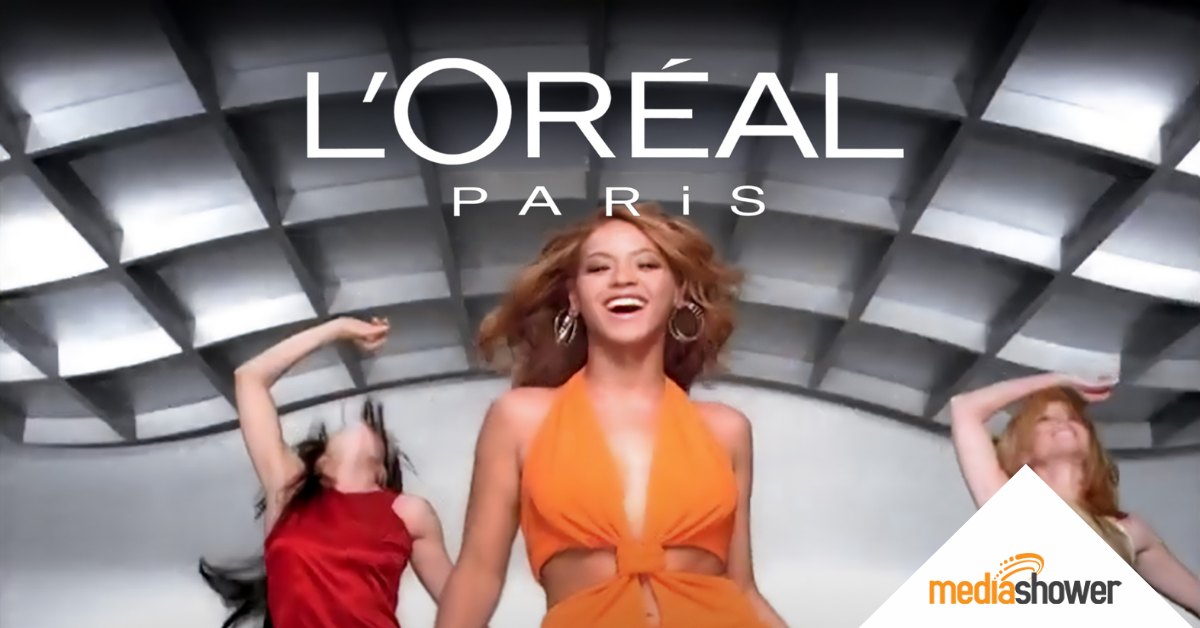
Take a look in the mirror of marketing history, and you’ll find a reflection of genius that’s lasted over half a century.
When L’Oréal launched “Because I’m Worth It” in 1971, they were painting a new portrait of beauty advertising that would forever change how brands speak to women.
At a time when beauty ads often relied on male perspectives (and male narrators), the campaign flipped the script, celebrating female self-worth and individuality.
Over 50 years later, the words “Because You’re Worth It” are as relevant as ever.
In the early 1970s, L’Oréal faced a pretty problem: Their premium hair color products cost significantly more than competitors. While other brands focused on price comparisons, L’Oréal and McCann Erickson copywriter Ilon Specht took a bold stroke—creating a slogan that turned price justification into a declaration of self-worth.
The original “Because I’m Worth It” tagline emerged as a response to Clairol’s “Does she or doesn’t she?” campaign, which implied women should keep their hair coloring a secret.
As society evolved, so did L’Oreal’s message, eventually transforming into “Because You’re Worth It” in the 1990s. In 2009, the slogan changed to “We’re Worth It” to showcase inclusivity.
The History of “Because I’m Worth It”
The campaign debuted with a groundbreaking commercial featuring a woman speaking directly to the camera, unapologetically declaring her choice to spend more on L’Oréal hair color.
This direct, first-person approach—radical for its time—positioned the purchase as an investment in oneself rather than an expense.
Over the decades, the campaign has featured a diverse range of ambassadors, from Jane Fonda to Viola Davis, each delivering the message with personal authenticity while maintaining its empowering core.
Viola Davis 2020: From “I’m Worth It” to “You’re Worth It”
The L’Oréal “Because You’re Worth It” campaign was hugely successful for several reasons:
The slogan launched just as the women’s movement was gaining momentum, capturing the zeitgeist of female empowerment.
The message transcended product benefits to tap into deeper themes of self-worth and personal choice. The focus changed from making women look beautiful to making them feel beautiful.
The campaign’s evolution from “I” to “You” to “We” demonstrated cultural awareness while maintaining its empowering message. This adaptability allowed L’Oréal to use the slogan across a range of products, markets, and decades without losing its key message and authenticity.
L’Oréal localized the campaign to suit different markets without losing its core message. Whether in the United States, Europe, or Asia, the message remained a powerful celebration of individuality, helping the brand connect with diverse audiences worldwide.
L’Oreal has enlisted an extensive list of influential celebs, including Gemma Chan, Eva Longoria, and Helen Mirren and Andie MacDowell. Over the years, the values and personas of these influencers were perfectly suited to amplify the message and increase the brand’s credibility.

When L’Oréal unveiled this campaign, they didn’t just apply a fresh coat of marketing paint—they completely redesigned the beauty advertising canvas.
Here’s what made it revolutionary.
The direct-to-camera format created an intimate dialogue with consumers, shattering traditional beauty advertising conventions and establishing a new industry standard for authentic communication.
Long before it became a marketing buzzword, L’Oréal centered women’s self-worth—rather than their appearance—in their messaging. The campaign created a template for values-based advertising that countless brands would follow.
The campaign ingeniously turned a product liability (higher price) into a philosophical asset, elevating the entire conversation around beauty product pricing from cost justification to self-investment.

L’Oreal acknowledged women as independent decision-makers who didn’t need permission or validation for their beauty choices. They created one of the first truly feminist marketing approaches in beauty advertising, and it stood out in stark contrast to other beauty campaigns.
Long before emotional branding was the norm, this campaign tapped into a universal truth: Confidence is priceless, and every person is worthy of it.
With the evolution of the campaign slogan, L’Oréal made sure that the campaign aligned with societal shifts in gender equality and representation. The brand used diverse models and celebrities to reflect changing beauty standards.
This progressive approach made the brand feel inclusive and forward-thinking.

Like a breakthrough anti-aging formula, “Because You’re Worth It” changed the skincare game forever—and delivered stunning results.
Here’s how the campaign transformed L’Oréal’s business and the beauty landscape.
The tagline has become one of the most recognized brand signatures in advertising history, with widespread awareness across multiple generations and markets.
L’Oréal’s market value skyrocketed from $4.7 billion in 1971 to over $200 billion today, with the campaign playing a pivotal role in building and maintaining brand equity.
The slogan significantly increased brand awareness and favorability for L’Oreal:
The phrase has been successfully translated into 40 languages while maintaining its empowering essence, proving that self-worth transcends cultural and linguistic boundaries.
Internal studies revealed that women who connected emotionally with the “Worth It” message showed 25% higher brand loyalty compared to those who simply liked L’Oréal’s products.
The campaign helped L’Oréal maintain its position as the world’s largest cosmetics company, with the slogan becoming so iconic that it’s now studied in marketing textbooks globally.
In 2009, the slogan made the Advertising Hall of Fame.
The campaign fundamentally altered beauty advertising. The shift influenced countless beauty brands, from Dove’s “Real Beauty” campaign to Sephora’s “The Unlimited Power of Beauty,” establishing a new standard where beauty marketing celebrates self-worth rather than insecurity.

Kate Winslet Bares All, 2022 “Lessons of Worth”
Ready for a marketing makeover? Media Shower’s AI platform helps highlight your brand’s best features. Click here for a free trial.